
Honda is one of the most popular car brands worldwide. Known for its reliability, fuel efficiency, and affordability, Honda has a strong reputation among car enthusiasts and everyday drivers alike. But if you’re considering buying a Honda, or already own one, you may wonder: “Are Honda cars bad for long-term use?”
In this blog, we’ll explore Honda’s reliability, common issues, maintenance costs, and lifespan, helping you make an informed decision for long-term ownership.
Introduction: Why This Question Matters
When buying a car, longevity is crucial. Cars are a major investment, and most people expect 10–15 years of reliable use if properly maintained. While Honda is often praised for durability, some owners report specific issues over time, prompting questions about long-term reliability.
Factors affecting longevity include:
- Engine quality
- Transmission performance
- Parts availability
- Maintenance costs
We’ll break down each aspect to see whether Honda lives up to its reputation or if there are hidden drawbacks.
1. Honda’s Reputation for Reliability
Honda has been manufacturing cars for decades and is known for:
- Reliable engines: Honda engines are generally robust and designed to last long if properly maintained.
- Fuel efficiency: Their cars often achieve excellent mileage, even years after production.
- Affordable maintenance: Compared to European brands, Hondas are cheaper to repair and service.
- Resale value: Honda cars hold their value well, reflecting strong market trust.
Longevity Stats
Many Honda models, like the Civic and Accord, can exceed 300,000 km with routine maintenance. Some owners report 15–20 years of service without major engine overhauls.
2. Common Long-Term Issues in Honda Cars
No car is perfect. Hondas, despite their reliability, have some known long-term concerns:
a) Transmission Problems
- Some older Honda models, particularly Accords from 2003–2007, experienced automatic transmission failures around 150,000 km.
- Modern Honda CVTs (Continuously Variable Transmissions) are more reliable but can still be expensive to repair if neglected.
b) Suspension Wear
- Over time, suspension components like bushings, struts, and shock absorbers may wear, especially if driven on rough roads.
c) Rust and Body Corrosion
- Certain Honda models in humid climates show early rust on wheel arches and underbody. Regular underbody cleaning and anti-rust treatments can prevent this.
d) Electronics and Sensors
- Newer Hondas rely heavily on electronics. Over years, components like infotainment systems, sensors, and AC controls may malfunction.
3. Maintenance Costs Over the Long Term
Honda is generally affordable to maintain, but long-term ownership requires:
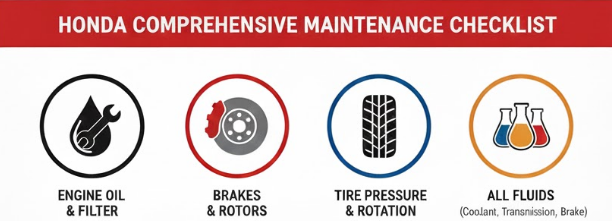
- Regular oil changes every 5,000–10,000 km
- Timing belt or chain replacement (if applicable)
- Brake pads, tires, and fluid replacements
- Battery replacement every 3–5 years
Tip: Keeping up with scheduled maintenance prevents expensive repairs later, which is the key to long-term Honda ownership.
Comparison with Other Brands
- Honda vs Toyota: Honda maintenance is slightly higher, but still cheaper than European cars like BMW or Mercedes.
- Honda vs Hyundai/Kia: Similar maintenance cost, but Honda’s resale value is generally better.
4. Models Known for Longevity
Some Honda models are especially praised for long-term reliability:
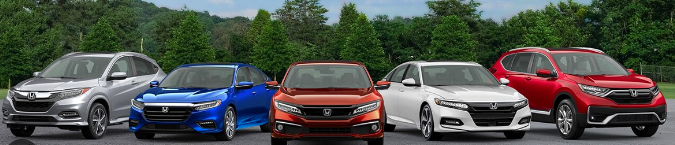
- Honda Civic – Known for longevity, fuel efficiency, and low maintenance.
- Honda Accord – Larger, more robust, can last 300,000+ km with care.
- Honda CR-V – Reliable SUV with strong engine and transmission performance.
- Honda Fit/Jazz – Compact, highly fuel-efficient, and low maintenance.
These models tend to have fewer long-term issues and are easier to maintain.
5. Tips for Maximizing Honda’s Lifespan
If you want your Honda to last decades:
a) Follow the Maintenance Schedule
- Stick to oil change intervals, brake inspections, and timing belt replacements.
b) Use Genuine Parts
- Aftermarket parts can save money initially but may cause long-term reliability issues.
c) Avoid Aggressive Driving
- Rapid acceleration, harsh braking, and overloading reduce engine and transmission lifespan.
d) Keep It Clean
- Wash the car regularly to prevent rust and corrosion.
e) Monitor for Early Warning Signs
- Strange engine noises, transmission slipping, or unusual vibrations should be addressed immediately.
6. When Honda Might Not Be Ideal for Long-Term Use
While Honda is generally reliable, certain scenarios may make it less ideal:
- Extreme climates: Areas with heavy snow, ice, or coastal humidity may accelerate rust.
- Neglected maintenance: Skipping oil changes or ignoring warning lights can drastically shorten lifespan.
- High-performance demands: If you want a sports-level engine performance or heavy towing, Honda engines may not be optimal compared to specialized brands.
7. Real Owner Experiences
- Positive: Many Civic and Accord owners report 15–20 years of service with minimal repairs beyond standard maintenance.
- Negative: Some older models experienced transmission or suspension issues after 200,000 km.
The key takeaway is: Honda cars are generally reliable for long-term use if maintained properly.
Conclusion: Are Honda Cars Good for Long-Term Use?
The answer is mostly yes—Honda is not inherently bad for long-term use. They are:
- Reliable with well-built engines
- Affordable to maintain compared to premium brands
- Fuel-efficient and practical for daily use
However, neglecting maintenance, harsh driving, or buying older poorly maintained models can lead to problems. For long-term ownership, choose well-maintained models, follow a strict maintenance schedule, and monitor wear items like transmission, suspension, and rust-prone areas.
In short, Honda cars can easily last 15–20 years or more if treated well. They are a solid long-term investment, balancing cost, reliability, and resale value.