
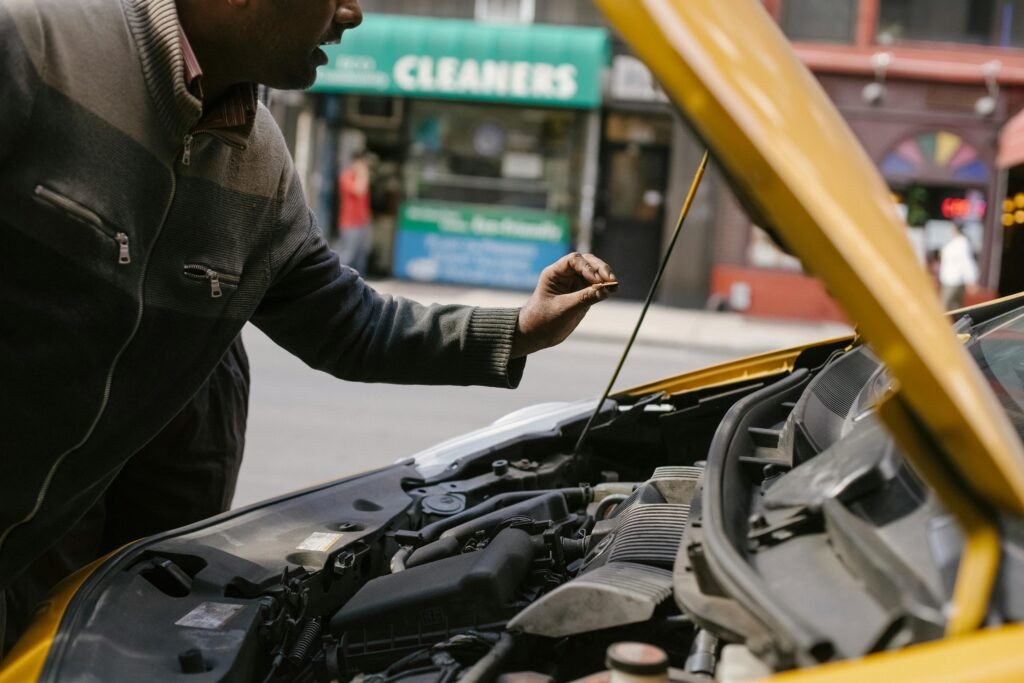
Rising fuel prices, environmental concerns, and the cost of maintenance make fuel efficiency a priority for every car owner. Improving car mileage isn’t just about saving money—it also increases your vehicle’s lifespan, reduces carbon emissions, and gives you confidence that your car is running optimally.
Whether you drive a compact city car, family sedan, SUV, or pickup, there are proven strategies to get the most out of every drop of fuel. This comprehensive guide will cover maintenance, driving habits, aerodynamics, fuel quality, and lifestyle tweaks that improve mileage significantly.
Why Car Mileage Drops Over Time
Before diving into strategies, it’s important to understand why your car’s fuel efficiency decreases over time.
1. Engine Wear and Tear
Engines lose efficiency with age due to worn-out components, such as:
- Dirty or old spark plugs
- Clogged fuel injectors
- Worn piston rings
- Dirty air filters
2. Tire and Alignment Issues
- Underinflated tires increase rolling resistance, making the engine work harder.
- Misaligned wheels cause uneven tire wear and reduce mileage.
3. Poor Driving Habits
- Frequent rapid acceleration and hard braking consume more fuel.
- Idling excessively wastes fuel without moving the car.
4. Added Weight
- Carrying unnecessary cargo or roof racks increases fuel consumption.
- Even a few hundred kilograms can reduce mileage noticeably.
5. Low-Quality Fuel
- Using the wrong octane or poor-quality fuel decreases combustion efficiency.
Understanding these factors allows you to target the areas that truly impact mileage.
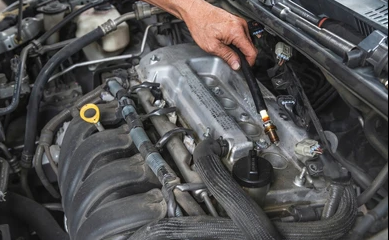
1. Maintain Your Engine for Maximum Efficiency
A healthy engine is key to better fuel economy.
Oil and Fluids
- Stick to regular oil changes according to your manufacturer’s schedule.
- Use recommended oil viscosity—too thick or too thin affects friction and efficiency.
- Check coolant and transmission fluids regularly.
Spark Plugs and Fuel Injectors
- Worn spark plugs can misfire, wasting fuel.
- Clean or replace fuel injectors to ensure efficient fuel spray.
Air Filters
- A clogged air filter reduces oxygen for combustion, lowering mileage.
- Replace air filters every 10,000–15,000 km or as needed.
Mini Tip:
A well-maintained engine can increase mileage by 10–15% over a poorly maintained one.
2. Tires and Alignment: The Silent Mileage Killers
Tires are more than just rubber—they directly affect fuel efficiency.
Check Tire Pressure
- Underinflated tires increase rolling resistance, reducing mileage by 3–5%.
- Overinflated tires may improve mileage slightly but reduce grip and comfort.
- Tip: Use a quality pressure gauge monthly.
Wheel Alignment
- Misaligned wheels cause uneven tire wear and force the engine to use more power.
- Align wheels every 10,000–15,000 km or if steering feels off-center.
Choose the Right Tires
- Low rolling resistance tires improve fuel efficiency without compromising safety.
- Avoid oversized tires—they increase weight and reduce aerodynamics.
3. Smart Driving Habits for Maximum Fuel Economy
Your driving style can make or break fuel efficiency.
Smooth Acceleration and Braking
- Avoid rapid starts and stops. Gradual acceleration saves 10–15% fuel.
- Brake gently; anticipate traffic lights to avoid unnecessary braking.
Steady Speeds
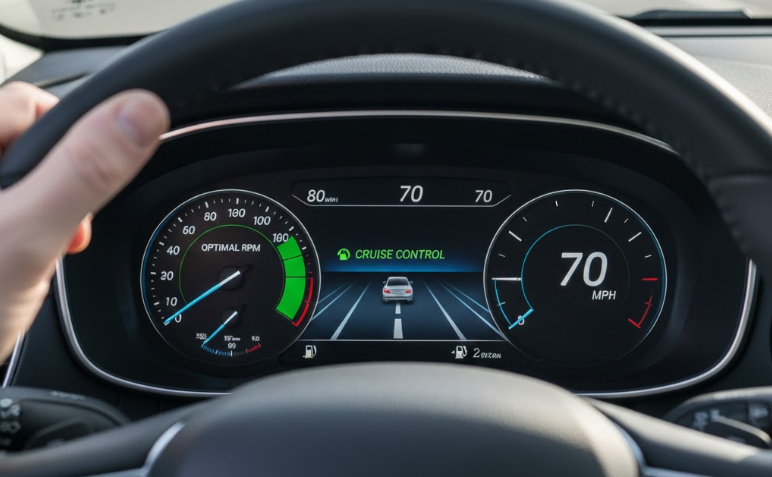
- Use cruise control on highways to maintain consistent speed.
- Avoid excessive speeding: mileage drops drastically at speeds above 100 km/h.
Avoid Idling
- Idling for more than a minute consumes more fuel than restarting the engine.
- Turn off the engine if stopped for long periods.
Plan Efficient Routes
- Combine errands in one trip.
- Avoid rush hour traffic and congested routes where stop-and-go driving is inevitable.
Higher Gears and RPM
- Driving in higher gears at lower RPMs is more fuel-efficient.
- Over-revving in lower gears wastes fuel and puts stress on the engine.
4. Reduce Weight and Drag
Extra weight and aerodynamic drag can significantly reduce mileage, especially at highway speeds.
Remove Unnecessary Items
- Avoid carrying heavy tools, cargo, or personal items you don’t need.
Roof Racks and Spoilers
- Remove bike racks or roof boxes when not in use—they create wind resistance.
Windows and Sunroof
- Keep windows closed at high speeds to reduce drag.
- Open windows are fine at low speeds, but above 80 km/h, it reduces fuel efficiency.
5. Optimize Air Conditioning and Electrical Systems
AC and electronics indirectly affect fuel efficiency by putting extra load on the engine.
- Use AC sparingly, especially at low speeds.
- Use ventilation or partially open windows when AC isn’t necessary.
- Turn off unnecessary devices like extra lights, heated seats, or infotainment systems when not needed.
6. Fuel Quality and Fill-Up Practices
The type and timing of fuel refills can affect mileage.
Use Correct Octane
- Stick to your manufacturer’s recommendation.
- Higher octane fuel doesn’t always improve efficiency unless the engine requires it.
Avoid Overfilling
- Overfilling causes fuel spillage and evaporation.
Refuel at Cooler Times
- Fuel expands in heat; early morning or evening is ideal.
7. Aerodynamics and Car Cleanliness
Aerodynamics may seem minor, but it affects fuel efficiency at high speeds.
- Keep the car clean; dirt and grime increase drag slightly.
- Remove unused spoilers, roof racks, or luggage boxes.
- Closed windows at high speeds reduce wind resistance.
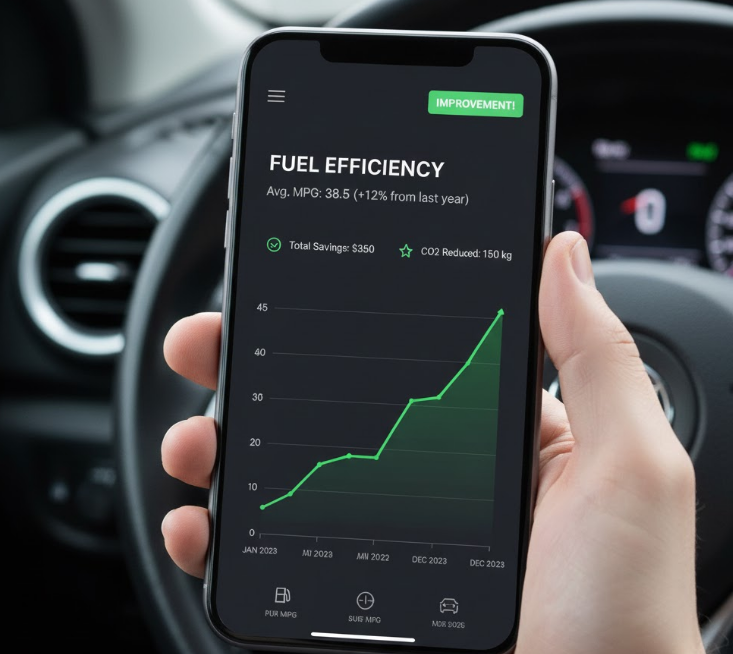
8. Track Fuel Consumption Regularly
Monitoring your car’s fuel efficiency helps identify patterns and inefficiencies.
- Track mileage using apps or manually: record kilometers vs liters of fuel.
- Monitor changes after maintenance, tire changes, or driving habit adjustments.
- This helps you spot problems early and adjust driving style.
Common Mistakes That Lower Mileage
Even careful drivers often make mistakes:
- Ignoring engine maintenance
- Over-revving or aggressive driving
- Excessive idling at lights or traffic
- Using incorrect fuel or oil type
By eliminating these habits, you can gain up to 15% more mileage without any additional cost.
Extra Tips and Lifestyle Adjustments
- Use eco-mode if your car supports it; it optimizes engine and transmission settings for fuel savings.
- Carpool or share rides whenever possible.
- Consider hybrid options or fuel-efficient replacements if your vehicle is older.
- Keep your car light and uncluttered to maximize efficiency.
Conclusion
Improving car mileage is about consistent habits, smart maintenance, and awareness. From engine care, tires, driving habits, and aerodynamics to fuel quality and tracking, every small action contributes to better fuel efficiency, lower costs, and longer car life.
Implement these strategies consistently, and you’ll notice:
- Higher mileage per tank
- Reduced fuel costs
- Safer and smoother driving
- Lower environmental impact
Takeaway: Better mileage is the result of discipline, awareness, and proper care, not expensive modifications. Start today, and every kilometer will count!