
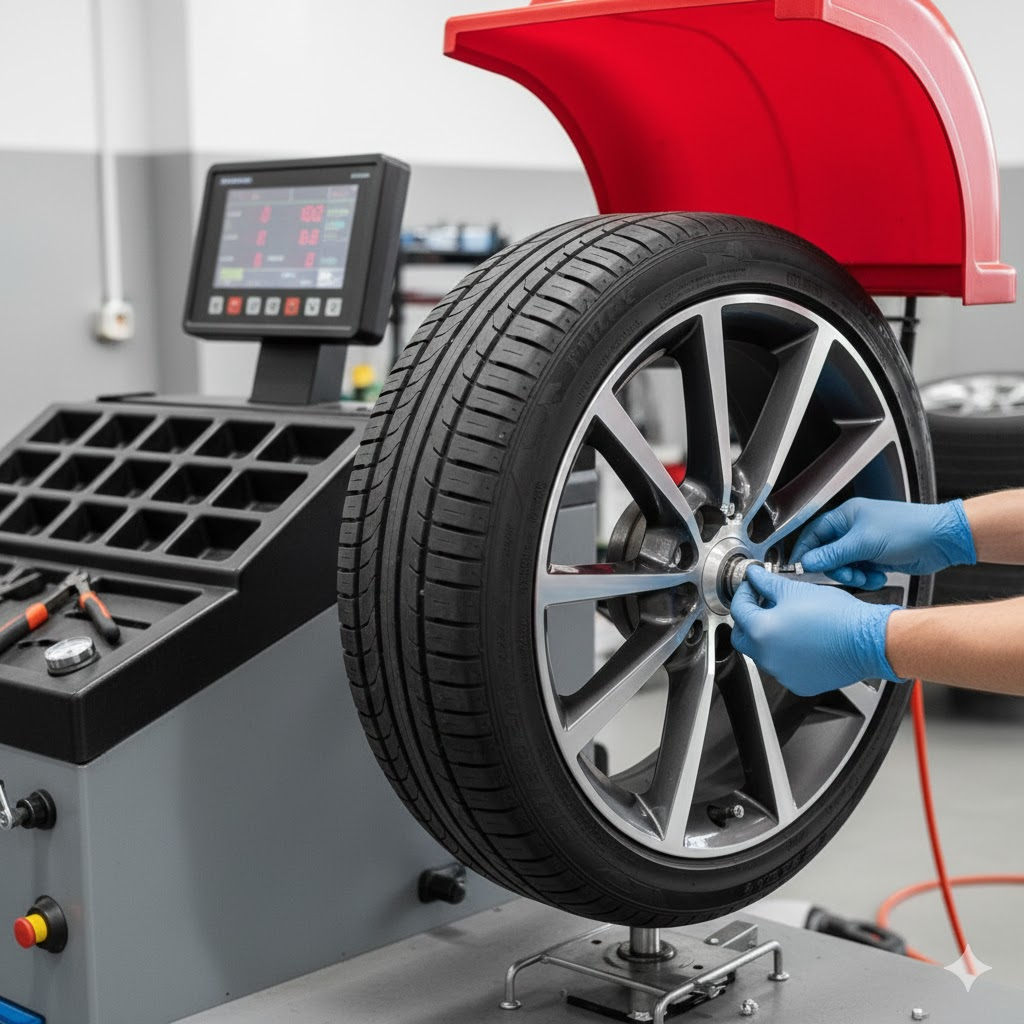
Why do my tires lose air quickly? This question usually comes after the third or fourth time you’ve had to stop at a gas station thinking, “Didn’t I JUST put air in these?” It’s frustrating because it feels sneaky. The tire looks fine. No flat. No warning light sometimes. And yet the pressure keeps dropping like something is quietly stealing air overnight.
The first thing to understand is this: tires don’t lose air for no reason. Air doesn’t just disappear. If pressure keeps dropping, something is letting it out, even if it’s very slow and very annoying.
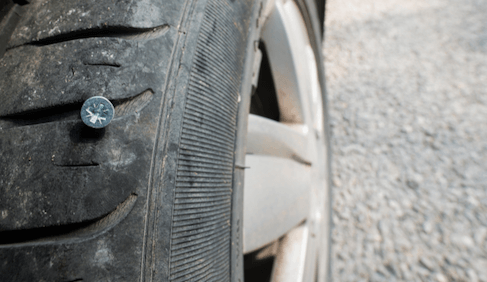
The most common reason, by far, is a small puncture. Not a dramatic nail sticking out. I’m talking about tiny stuff.
• A thin nail
• A staple
• A thorn
• A sharp piece of glass
These can lodge themselves in the tread and leak air so slowly you won’t notice until days later. The tire won’t look flat. It’ll just feel “off.” A little softer. A little heavier when turning.
Then there’s the one people hate hearing about: the valve stem. That little rubber piece where you put air in? It ages. It cracks. It leaks. Especially in hot weather or on older cars.
• Air leaks around the base
• Cap missing or loose
• Rubber dried out
Valve stem leaks are sneaky because nothing looks wrong until you spray soapy water and see tiny bubbles. Most people never check this, but it’s a very common cause of slow air loss.
Another big one, especially if you live somewhere with bad roads or weather, is rim or bead leaks. This happens where the tire meets the wheel.
• Corrosion on the rim
• Dirt or rust buildup
• Bent wheel from potholes
Even a slight bend or corrosion can stop the tire from sealing perfectly, letting air escape slowly over time. This is common on older cars and alloy wheels.
Weather also messes with your head. Cold temperatures make tires lose pressure. That doesn’t mean there’s a leak — it means air contracts when it’s cold.
• Overnight pressure drops in winter
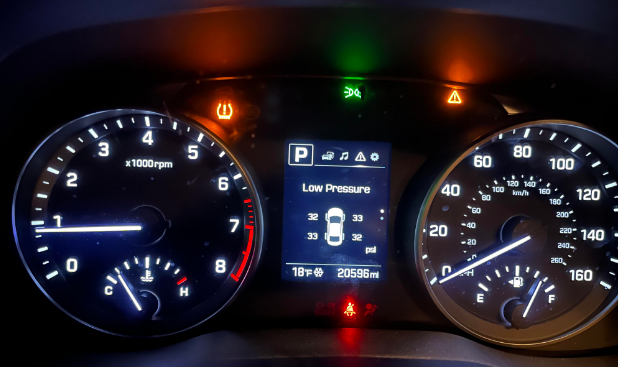
• Tire pressure warning light comes on in the morning
• Pressure looks fine again later in the day
This is normal behavior, but if the pressure keeps dropping beyond seasonal changes, there’s probably a real leak too.
Another thing people underestimate is tire age. Even if the tread looks okay, rubber hardens over time.
• Tiny cracks form in the sidewall
• Rubber becomes less airtight
• Old tires slowly bleed air
If your tires are several years old, especially cheap ones, this can absolutely be the reason you’re constantly refilling them.
Improper installation can also be the culprit.
• Tire not seated correctly
• Valve stem damaged during install
• Rim not cleaned before mounting
This usually shows up right after getting new tires, which makes people confused because they assume “new” means “perfect.”
Here’s the part people don’t like admitting: ignoring low tire pressure makes everything worse.
• Fuel economy drops
• Tires wear unevenly
• Handling becomes sloppy
• Blowout risk increases
Driving on underinflated tires turns small leaks into bigger problems over time.
If you want to figure it out yourself, there’s a simple test that actually works. Mix dish soap with water, spray it on the tire tread, sidewall, and valve stem, then watch.
• Bubbles mean a leak
• No bubbles usually means pressure change, not leakage
It’s low-tech, but it works.
The bottom line is this: if you’re topping up the same tire over and over, that tire is telling you something. Tires don’t nag unless there’s a reason. And the longer you ignore it, the more annoying and expensive it becomes.