
Winter roads are a different beast. Cold temperatures, ice patches, slush, and sudden rain turn even short commutes into a challenge. A tyre isn’t just rubber on a wheel — it’s the interface between you and the road. One wrong tyre, and your car feels harsh, unpredictable, and exhausting to drive. The right winter tyre? It turns chaos into confidence. Smooth, controlled, almost effortless driving, even in the nastiest conditions.
Comfort in winter tyres isn’t about softness alone. It’s a combination of materials, tread design, flexibility, and the way the tyre handles temperature extremes. Get it right, and your daily commute feels easier. Get it wrong, and every pothole, frost patch, or puddle reminds you why you should have done your homework.
Why Winter Tyres Matter
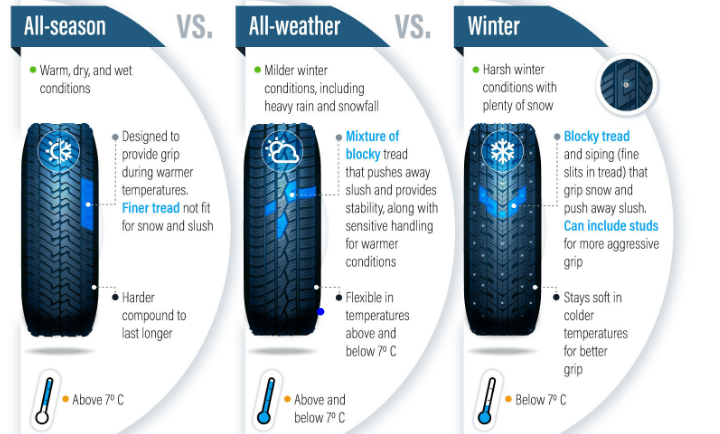
All-season tyres are convenient, but they are compromises. They work “okay” in cold weather, but they harden below 7°C. Hard tyres = harsh ride. Bumps feel sharper. Roads feel rougher. Traction disappears. Winter tyres are engineered to stay flexible in cold weather. That flexibility does more than grip ice — it absorbs road imperfections, giving you a smoother ride.
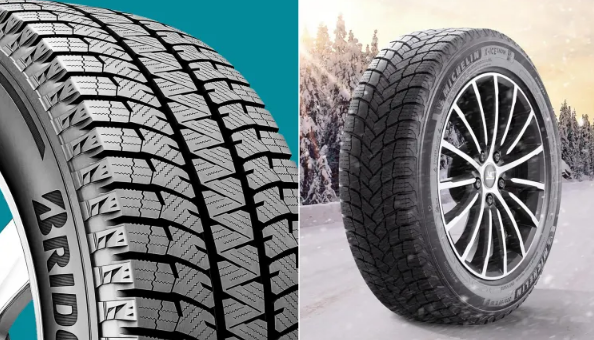
Winter tyres also have deep grooves and tiny cuts in the tread called sipes. Those sipes channel water, slush, and ice away from the tyre. The result: less vibration, less noise, and better traction. Even sidewalls are slightly more flexible, cushioning the ride without making steering sloppy.
[Image Placeholder: Illustration of winter tyre tread and sidewall flexibility]
How Winter Tyres Outperform Others
Here’s the reality check:
| Feature | Winter Tyres | All-Season Tyres | Summer Tyres |
|---|---|---|---|
| Cold Grip | Excellent | Moderate | Poor |
| Snow & Ice | Excellent | Moderate | Poor |
| Wet Traction | Good | Good | Very Good |
| Braking in Cold | Excellent | Moderate | Poor |
| Ride Comfort | High | Moderate | Moderate |
Winter tyres are the only tyres that keep comfort and control in cold, wet conditions. They aren’t magic — they are just engineered for it.
Best Winter Tyres for Comfort in 2025
1. Michelin X-Ice Snow
The X-Ice Snow is the benchmark for comfort. Soft rubber, precise tread, and quiet rolling make even icy streets feel predictable. It’s forgiving on potholes, which is a blessing in winter city driving.
Best for: Drivers who prioritize smooth, safe rides every morning.
2. Bridgestone Blizzak WS90
Blizzak tyres grip ice like glue. The ride is slightly firmer than Michelin, but the confidence they give on snow-packed roads is unmatched. You feel in control even when the road is a sheet of ice.
Best for: Regions with long winters and icy roads.
3. Goodyear UltraGrip Ice WRT
Balanced performance. Comfortable, quiet, and reliable in snow, slush, or wet streets. You don’t feel like you’re fighting the tyre — it almost feels like an extension of the car’s suspension.
Best for: City drivers who want smooth handling without sacrificing winter grip.
4. Continental VikingContact 7
Precision handling, reliable wet traction, and comfortable on highways. It doesn’t try to impress — it just works, consistently.
Best for: Daily commuters and long-distance winter drivers.
5. Pirelli Winter Sottozero 3
A sportier option. Handles sharp turns and accelerations without jarring the cabin. Comfort is high, though less cushioned than Michelin. Excellent for drivers who want some fun without sacrificing winter safety.
Best for: Those who like sporty rides even in winter conditions.
Winter Tyre Comfort Tips
- Pressure Matters
Cold reduces tyre pressure. Low pressure = harsh ride, poor grip. Check weekly. - Rotate Tyres Regularly
Even wear keeps ride smooth and predictable. Don’t skip this. - Check Tread Depth
Tread isn’t just about traction. It absorbs shock. Below 4 mm, comfort drops. - Store Off-Season Tyres Properly
Keep them dry, cool, and out of sunlight. Degraded rubber = rough ride. - Match Tyres to Vehicle
Don’t mix brands or old with new. Uneven tyres ruin comfort and safety.
When Winter Tyres Don’t Belong
Use winter tyres above 7°C consistently and you’re asking for trouble. Soft rubber wears quickly, fuel efficiency drops, and handling suffers. Always swap back to all-season or summer tyres when temperatures rise.
Final Recommendations
| Tyre Model | Comfort | Winter Grip | Wet Traction |
|---|---|---|---|
| Michelin X-Ice Snow | Excellent | Excellent | Excellent |
| Bridgestone Blizzak WS90 | Good | Excellent | Very Good |
| Goodyear UltraGrip Ice WRT | Excellent | Very Good | Excellent |
| Continental VikingContact 7 | Very Good | Very Good | Very Good |
| Pirelli Winter Sottozero 3 | Excellent | Very Good | Very Good |
Top Pick for Comfort: Michelin X-Ice Snow — soft, quiet, predictable.
Top Pick for Extreme Ice: Bridgestone Blizzak WS90 — grip you can trust.
Balanced Winter Ride: Goodyear UltraGrip Ice WRT — smooth, reliable, quiet.
Winter tyres don’t just improve safety. They make driving enjoyable, predictable, and stress-free — even when the weather is miserable.