
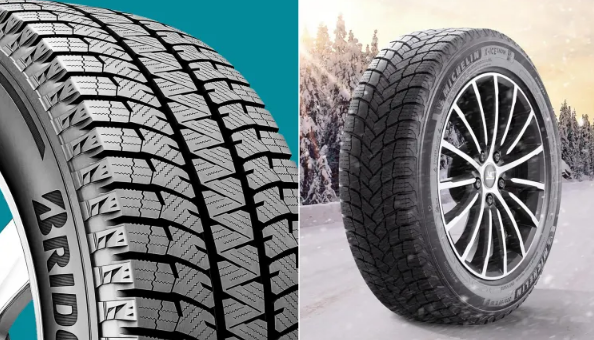
Short answer?
There is no single “best” off-road tyre.
The best tyre depends on where you actually drive, not where you think you drive.
Most people get this wrong. They buy the most aggressive tyre they can find, then hate the noise, fuel consumption, and road manners two weeks later. I’ve seen it happen over and over.
So let’s break this down the way someone who actually drives off-road would explain it.
First: be honest about how you off-road
Before naming brands or tread patterns, answer this honestly:
- Do you drive trails on weekends?
- Mud? Rocks? Sand? Snow?
- Or is it mostly dirt roads, farms, and occasional bad weather?
Because the tyre that’s perfect for mud can be terrible on rocks.
And the tyre that crawls rocks beautifully can be useless in deep mud.
There’s no magic tyre. Just trade-offs.
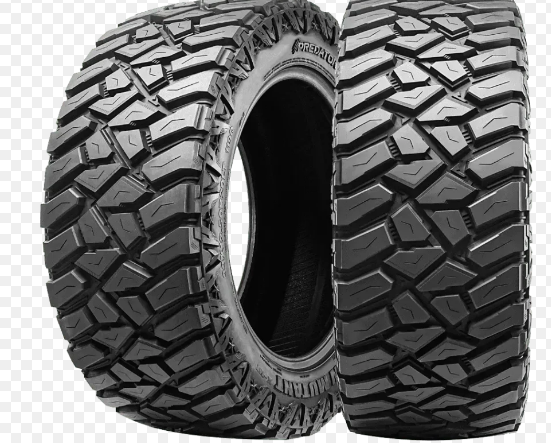
Mud Terrain (MT) tyres – for real off-roading
If you’re doing serious off-road driving, this is what people usually mean.
Big, aggressive tread blocks.
Wide gaps to throw out mud.
Thick sidewalls.
These tyres are designed to dig.
They shine in:
- Deep mud
- Clay
- Wet trails
- Loose soil
They’re also what you’ll see on vehicles that look unstoppable… because sometimes they are.
But here’s the part nobody likes to admit:
They’re loud.
They hurt fuel economy.
They wear faster on tarmac.
Wet road braking isn’t great.
If your vehicle spends most of its life on the road, MT tyres can get old fast.
All-Terrain (AT) tyres – the smart choice for most people
This is where reality lives.
All-terrain tyres are the best off-road tyre for most drivers, even if that answer isn’t exciting.
They’re a compromise — but a very good one.
They handle:
- Dirt roads
- Light mud
- Rocks
- Sand
- Snow (many are snow-rated)
And they still behave on the highway.
If you drive to work all week and off-road on weekends, AT tyres make sense. You don’t feel like you’re fighting your own vehicle every day.
This is why you see AT tyres on overland builds, adventure rigs, and daily-driven 4x4s. They just work.
Rock-focused tyres – sidewalls matter more than tread
Rock crawling is a different game.
Traction isn’t about digging — it’s about grip and flex.
For rocks, you want:
- Softer rubber compounds
- Strong sidewalls
- Tread that can deform around rock edges
Some all-terrain tyres do this well. Some mud terrains do it even better. But sidewall construction is the real hero here.
If you air down often and crawl slowly, look closely at sidewall ratings, not just tread aggressiveness.
Sand tyres – aggressive is actually bad here
This surprises people.
In sand, you don’t want to dig. You want to float.
The best sand tyres:
- Have wider footprints
- Less aggressive tread
- Flexible sidewalls for airing down
Mud tyres can actually make things worse in sand by digging you in faster.
If dunes or beaches are your thing, a mild all-terrain with proper air pressure beats an aggressive mud tyre every time.
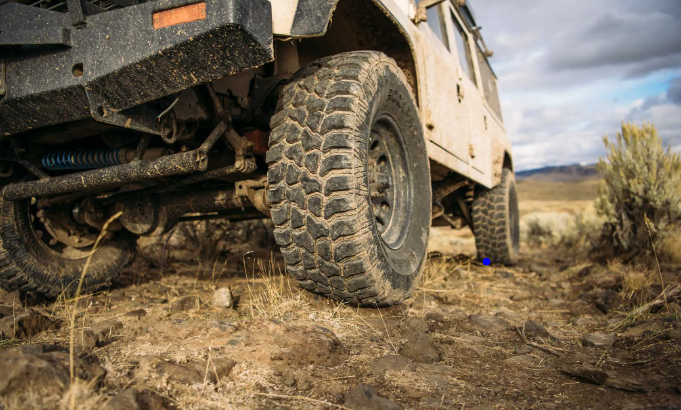
So… which tyre is “best”?
Here’s the blunt, honest answer:
- Mostly mud, serious trails: Mud Terrain (MT)
- Mixed use, daily driving + off-road: All-Terrain (AT)
- Rock crawling: Focus on sidewalls and compound
- Sand: Less aggressive tread, air down properly
If someone tells you one tyre is best for everything, they’re either selling something or haven’t spent much time off-road.
One last thing people underestimate
Tyres matter.
But driver skill and tyre pressure matter more.
I’ve seen average tyres go places they “shouldn’t” because the driver knew how to read terrain and adjust pressure. I’ve also seen expensive tyres fail because someone drove them like road tyres.
The “best” off-road tyre is useless if it’s overinflated and poorly driven.