
Got a flat tire on the highway at 11pm. Middle of nowhere, no cell service. Had a spare but the jack was rusted and wouldn’t work properly.
Sat there for 90 minutes until a trucker stopped and helped. Felt completely helpless and stupid.
Next day bought a tire repair kit thinking it would prevent this situation. Except most kits are garbage that don’t actually work when you need them.
Went through three different kits over two years before finding setup that actually saves you. Learned what works versus what’s marketing BS.
The Short Answer
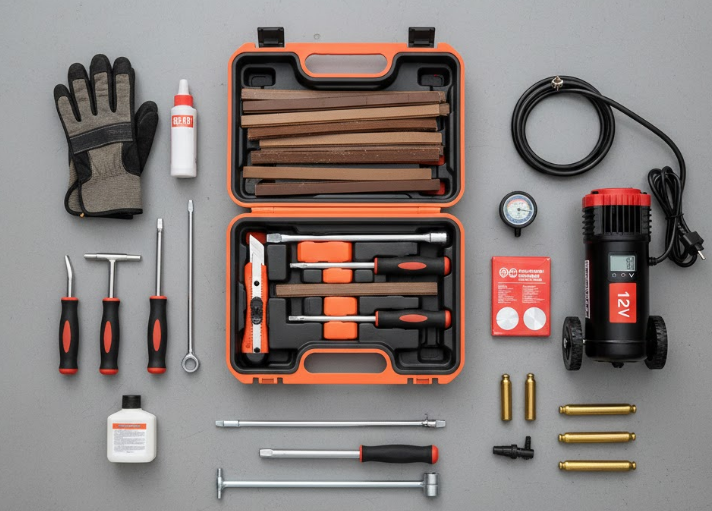
For actual emergencies: Get tire plug kit ($15-25) AND portable air compressor ($40-60). Total investment $60-80.
Tire sealant cans (Fix-a-Flat) work in a pinch but are temporary and messy. Good to have as backup.
Learn how to use plug kit before you need it. Takes 5 minutes to patch a puncture yourself.
I keep Slime Plug Kit ($20) and AstroAI air compressor ($50) in my trunk. Used them multiple times successfully.
My Journey Through Bad Solutions
Incident #1 – Just spare tire – Flat at night, jack failed. Stranded. Tow truck cost $150.
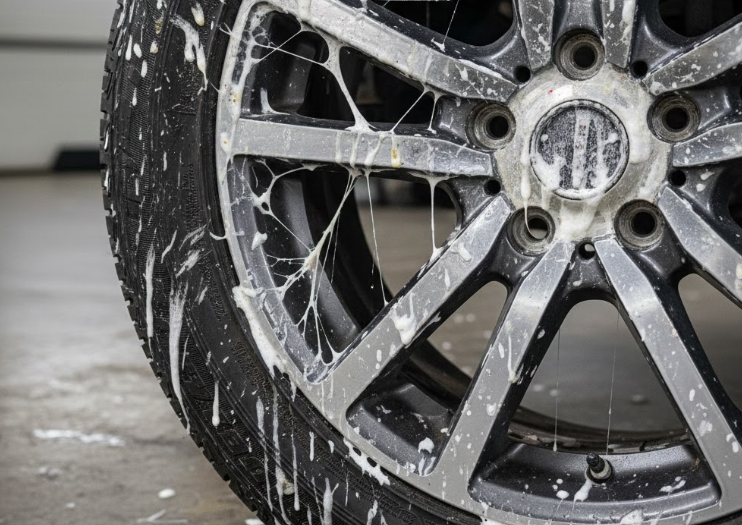
Incident #2 – Bought Fix-a-Flat can – Got nail in tire. Used Fix-a-Flat. Worked temporarily but made mess. Tire shop charged extra $30 to clean before repairing. Total waste.
Incident #3 – Bought cheap tire plug kit – Got another puncture. Kit had terrible tools that bent. Couldn’t use it. Called roadside assistance.
Incident #4 – Bought quality plug kit – Finally worked properly. Fixed puncture in 10 minutes on side of road. No tow truck, no waiting. Success.
Should’ve spent the $60 on good kit from the start. Would’ve saved time, money, and frustration.
Types Of Tire Repair Kits
Tire plug kits – Insert rubber plug into puncture. Actually repairs tire. $15-30 for good kit.
Tire sealant cans – Fix-a-Flat, Slime. Spray foam seals from inside. Temporary fix. $8-15 per can.
Patch kits – Remove tire, patch from inside. Too complicated for roadside. For home garage use. $10-20.
Complete kits – Includes plugs, sealant, air compressor, tools. $60-100. Best option if buying everything at once.
Air compressor only – Just inflates tire. Doesn’t repair. $30-80 depending on quality.
Plug kit + air compressor is the winning combination for actual emergency repairs.
Why Tire Plug Kits Work
A good plug kit can permanently repair most punctures in the tread area.
How it works:
- Find puncture
- Ream hole with reamer tool to roughen it
- Insert plug using insertion tool
- Trim excess plug
- Inflate tire
- Drive away
Takes 5-10 minutes once you know what you’re doing.
Works on nail punctures, screw holes, anything in tread area up to 1/4″ diameter.
Doesn’t work on sidewall damage, large gashes, or tire shoulder. Those need professional repair or replacement.
I’ve plugged probably six punctures myself over the years. Every one held permanently.
Good Tire Plug Kits
ARB Speedy Seal Tire Repair Kit ($20-25) – What I use. Quality tools, good plugs, includes case.
Safety Seal Tire Repair Kit ($25-30) – Professional grade. Used by tire shops. Excellent quality.
Slime Emergency Tire Repair Kit ($15-20) – Budget option that actually works. Basic but functional.
Boulder Tools Heavy Duty Kit ($18-24) – Good middle ground. Durable tools.
Spend $15-30 on plug kit. Cheap $10 kits have bad tools that break or bend when you need them.
Mine cost $20 two years ago. Used it six times. Cost per use is like $3. Worth every penny.
Portable Air Compressors That Work
You can plug tire but still need to inflate it. Portable compressor essential.
Good compressors:
AstroAI Portable Air Compressor ($40-50) – What I have. Fast, reliable, decent build quality.
EPAuto 12V DC Portable Air Compressor ($35-45) – Popular choice. Works well for price.
Viair 88P Portable Compressor ($60-80) – Premium option. Faster, more durable. Worth it if you can afford.
Ryobi P737 Inflator ($40-50) – If you have Ryobi batteries. Convenient but requires battery ecosystem.
Cheap $20 compressors – Will break when you need them most. Don’t bother.
Get something with actual metal pump, not just plastic. Auto shut-off at target PSI is nice feature.
My AstroAI has inflated four tires, multiple bike tires, air mattresses. Still working fine.
The Fix-a-Flat Debate
Tire sealant cans (Fix-a-Flat, Slime) are controversial.
Pros:
- Super easy to use
- Works in under 5 minutes
- No tools needed
- Good for tiny leaks
Cons:
- Temporary fix only
- Makes permanent repair harder (tire shop will charge extra)
- Damages TPMS sensors potentially
- Messy as hell
- Doesn’t work for larger punctures
- Tire might not be repairable after using it
I keep one can as absolute last resort backup. But it’s not my go-to solution.
If you can plug and inflate, do that instead. Cleaner, more permanent, doesn’t complicate future repairs.
Learning To Use Plug Kit
Buy kit and practice at home on old tire before you need it for real.
Steps to practice:
- Watch YouTube video on tire plugging
- Get old tire or use your spare
- Make small puncture with nail
- Follow kit instructions to plug it
- Check if plug holds air
- Do it again until comfortable
I practiced twice on my spare tire. Third time doing it for real on road was way less stressful because I knew the process.
Most people buy kit and throw it in trunk without learning. Then panic when they actually get flat.
Spend 30 minutes learning now. Save yourself stress later.
What Doesn’t Work In Emergencies
Spare tire alone – If jack fails, you’re screwed. If spare is also flat (common), you’re screwed. Not enough by itself.
Just calling AAA – Great if you have service. But wait times can be 1-3 hours. In bad weather or remote areas, much longer.
Cheap all-in-one emergency kits – Usually have terrible quality tools. The $15 kits at Walmart are junk.
Tire patches without removing tire – Don’t work well. Plug from outside is way better for roadside.
Aerosol tire inflators – The cheap ones that just add air without sealant. Don’t fix the leak, just temporarily inflate.
Real solution is quality plug kit + compressor. Everything else is compromise.
For Different Types Of Punctures
Small nail or screw in tread – Plug kit works perfectly. This is most common flat.
Larger puncture (1/4″+ diameter) – Plug might work but iffy. May need multiple plugs or professional repair.
Sidewall damage – Can’t be plugged. Need spare tire or tow.
Shoulder puncture – Gray area. Plugging usually not recommended but might work temporarily to get to shop.
Slow leak from valve stem – Neither plug nor sealant helps. Need new valve stem at shop.
Bead leak – Where tire meets rim. Can’t fix roadside. Need tire shop.
Plug kits fix maybe 70% of flats. The rest need professional help.
But 70% is way better than 0% if you don’t have kit.
Limitations You Need To Know
Speed and distance restrictions – Plugged tire should be driven carefully to nearest tire shop. Not highway speeds for 500 miles.
Temporary solution – Plug is emergency repair. Should get professional inspection ASAP.
Can’t fix everything – Sidewall damage, large gashes, multiple punctures often can’t be DIY fixed.
Requires some skill – First time is stressful. Practice beforehand.
Won’t work if tire is shredded – If you drove on flat too long and tire is destroyed, plug won’t help.
Know these limits. Don’t expect plug kit to fix every possible tire problem.
But for common nail-in-tread scenario, plug kit is perfect solution.
The Complete Emergency Kit
What I actually keep in trunk:
Tire repair:
- Tire plug kit ($20)
- Portable air compressor ($50)
- One can of Fix-a-Flat as backup ($10)
- Tire pressure gauge ($8)
Basic tools:
- Flashlight ($15)
- Work gloves ($8)
- Reflective triangles ($12)
Backup:
- Spare tire (stock)
- Jack and lug wrench (stock)
- Breaker bar for stuck lugs ($15)
Total investment: About $140. Covers 90% of tire emergencies.
Can fix puncture myself in 10-15 minutes or change to spare if puncture isn’t pluggable.
Installation And Storage
Keep everything accessible, not buried under cargo.
My setup:
- Plug kit and Fix-a-Flat in small bag
- Air compressor in separate bag with power cord organized
- Everything in trunk near jack
- Work gloves and flashlight in same area
Make sure family members know where stuff is. No point having kit if spouse can’t find it.
I showed my wife where everything is and how to use it. She’s plugged a tire herself now. Capability matters more than gender.
For Different Vehicles
Sedans – Standard plug kit and compressor work fine.
Trucks/SUVs – Might want more powerful compressor (Viair 88P or similar). Larger tires take longer to inflate.
Sports cars with low-profile tires – Extra careful plugging. Sidewall is closer to tread. Easy to damage.
Motorcycles – Need smaller plug kit designed for bikes. Car plugs are wrong size.
RVs/Trailers – Need heavy-duty kit and powerful compressor. Maybe professional help honestly.
I have sedan. Standard kit perfect for my needs.
Using It At Night
Got flat at night? You need light.
Flashlight is essential. Phone flashlight sucks. Get actual flashlight.
Headlamp even better. Hands-free lighting while you work.
Reflective triangles or flares. Alert other drivers you’re stopped.
Pull completely off road if possible. Don’t work in active lane.
Night flats are scarier but doable with right tools.
I keep headlamp in kit now specifically for this. Worth the $15.
The Roadside Assistance Question
“Why not just call AAA/insurance roadside assistance?”
When it works: Urban areas with good coverage, during normal hours.
When it doesn’t: Rural areas, bad weather, peak times, no cell service.
Wait times can be 3+ hours. I’ve waited 4 hours for tow truck in rural area.
With plug kit, I could’ve fixed it in 10 minutes and been on my way.
Roadside assistance is good backup. But self-sufficiency is better primary plan.
Plus not all insurance includes free roadside. AAA membership costs $60-100/year.
For $70 you can buy tools that work regardless of cell service or wait times.
Common Mistakes People Make
Not practicing beforehand – First time using kit shouldn’t be in emergency.
Buying cheap kit – Tools break when you need them. Spend $20 on decent kit.
Forgetting to inflate after plugging – Plug stops leak but doesn’t add air. Need compressor.
Plugging sidewall damage – Doesn’t work. Don’t try it.
Over-inflating tire – Use gauge. Don’t just guess. Check door placard for correct PSI.
Driving normally on plugged tire – Take it easy getting to shop for professional inspection.
Not removing object first – Pull out nail before plugging. Obvious but people forget under stress.
I made half these mistakes when learning. Learn from my stupidity.
Cost vs Benefit
One emergency roadside service call: $100-150 typically
Tire plug kit + compressor: $60-80 one time
Pays for itself first time you use it.
Plus peace of mind knowing you can handle common flats yourself.
I’ve used mine six times over two years. Saved probably $600-900 in service calls.
Tools last years. My kit is two years old and still perfect.
What I’d Tell Someone Starting Out
Buy ARB or Safety Seal plug kit ($20-25) and AstroAI compressor ($40-50).
Watch YouTube tutorial on plugging tires. Practice on spare tire at home.
Keep kit accessible in trunk with flashlight and gloves.
If you get flat:
- Pull off road safely
- Assess damage (plug or spare?)
- If puncture in tread, plug it
- Inflate to proper PSI
- Drive carefully to tire shop for inspection
Don’t overthink it. This is simple skill that gives you self-sufficiency.
The Real Answer
Best tire repair kit for emergencies is quality plug kit ($20-25) plus portable air compressor ($40-60).
Fix-a-Flat is okay backup but not primary solution due to mess and tire shop complications.
Learn to use plug kit before you need it. Takes 30 minutes practice.
This $60-80 investment covers most common flats and saves you from being stranded.
I went years without this. Got stranded multiple times. Wasted money on service calls.
Finally bought proper kit and learned to use it. Haven’t called for tire help since.
Self-sufficiency on road is worth way more than $80. It’s peace of mind.
Every car should have plug kit and compressor. Not optional. Essential safety equipment.
Your spare tire might be flat. Your jack might fail. Your cell phone might have no service.
But if you can plug and inflate a tire yourself, you can get yourself out of most tire emergencies.
Buy the kit. Learn to use it. Thank me later when you’re not stranded on dark highway at midnight.