
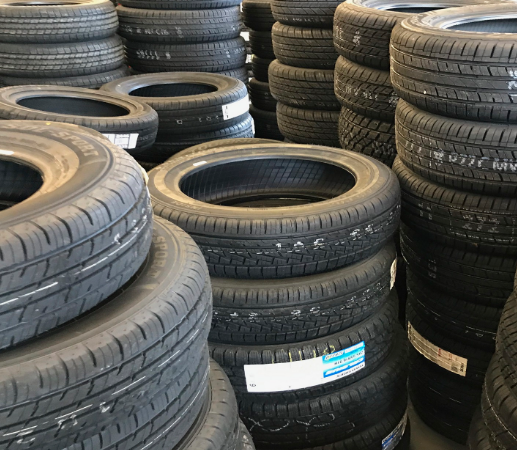
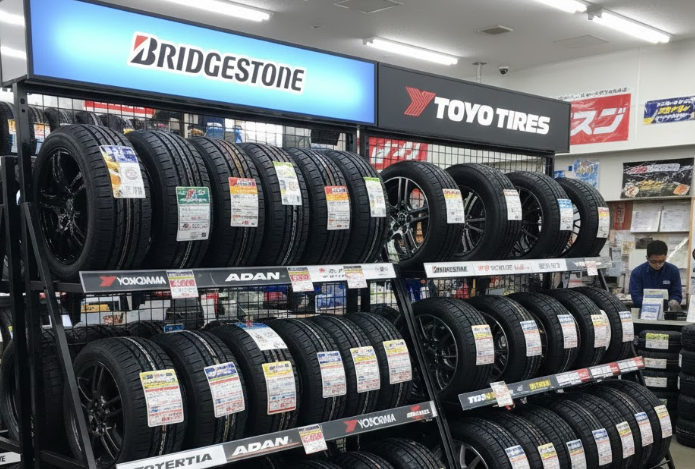
Was shopping for tires last year and noticed a ton of Japanese brands. Bridgestone, Yokohama, Toyo, Sumitomo, Falken, Kumho – wait is Kumho Japanese? Turns out it’s Korean but whatever, point is there’s a lot of Asian tire brands.
My mechanic mentioned that Japanese tire brands have a really good reputation for quality and reliability. Then proceeded to recommend Bridgestone which is like $150 per tire.
Got curious about whether Japanese brands are actually better or if it’s just reputation and marketing. Did way too much research and talked to people who’ve used various brands.
Turns out Japanese tire companies have earned their reputation but there’s nuance to which ones are worth the money.
The Short Answer
The most trusted Japanese tire brands are Bridgestone, Yokohama, and Toyo. They’ve been around forever and consistently make quality tires.
Bridgestone is the biggest and most premium. Yokohama is known for performance. Toyo offers good value for the quality.
Sumitomo and Falken are also Japanese brands that are decent but slightly lower tier.
I ended up getting Yokohama tires and they’ve been excellent for a year and a half. Glad I went Japanese brand instead of cheaper alternatives.
Bridgestone – The Big Player
Bridgestone is literally the largest tire manufacturer in the world. They’re huge.
They make everything from budget tires to premium performance tires. Their Turanza line is popular for sedans, Dueler for SUVs/trucks, Potenza for performance cars.
Quality is generally excellent. They last long, handle well, and have good warranties.
The downside is price. Bridgestone tires are often $20-40 more per tire than comparable options from other brands.
My friend has Bridgestone Turanzas on his Accord. He’s at 60k miles and they still have plenty of tread. No complaints about noise or handling.
Are they worth the premium over other brands? Debatable. They’re good but not necessarily better enough to justify the extra cost for everyone.
Yokohama – Performance Focus
Yokohama has a reputation for making sporty tires that handle well. Lots of performance car people use them.
Their ADVAN line is popular with enthusiasts. But they also make regular all-season tires like the AVID line.
I have Yokohama AVID Ascend GT tires. They’ve been great for daily driving. Quiet, good in rain, wearing evenly. Paid about $120 per tire.
The handling is noticeably better than the cheap tires I had before. The car feels more planted and responsive.
I’ve heard Yokohama quality can be inconsistent depending on where they’re manufactured. Tires made in Japan are supposedly better than ones made elsewhere. Hard to verify this though.
Toyo – The Value Option
Toyo is the Japanese brand that often costs less than Bridgestone or Yokohama while still being quality.
They make a wide range of tires. Proxes for performance, Celsius for all-weather, Extensa for touring. Lots of options.
I almost got Toyo Extensa tires instead of Yokohama. They were like $90 per tire vs $120 for Yokohama.
Went with Yokohama because I wanted slightly better performance but I’ve heard Toyo would’ve been fine too.
Friends who have Toyo tires seem happy with them. They last reasonably long and perform well for the price.
If budget is a concern but you still want Japanese quality, Toyo is a good middle ground.
Sumitomo – Budget Japanese
Sumitomo is owned by Sumitomo Rubber Industries, same company that makes Falken and Dunlop.
They’re positioned as a budget option. Cheaper than the big three Japanese brands but still Japanese engineering.
I haven’t personally used Sumitomo but reviews are mixed. Some people say they’re fine, others complain about short tread life.
At their price point you’re competing with brands like Hankook and Kumho which are Korean. Hard to say if Sumitomo is better.
If you’re going budget tier, I’d probably compare Sumitomo against Korean brands and go with whichever has better reviews for your specific tire model.
Falken – Performance On A Budget
Falken is interesting – they’re owned by Sumitomo but marketed as a performance brand.
They sponsor motorsports and make aggressive-looking tires. Popular with the tuner car crowd.
Their Ziex line is affordable and supposedly performs well. Lots of positive reviews from enthusiasts.
I considered Falken tires but went with Yokohama instead because I wanted proven reliability for daily driving over sporty image.
If you have a performance car or want sporty tires without Bridgestone Potenza prices, Falken seems like a good option.
What Makes Japanese Tire Brands Different
Japanese tire companies generally have:
Strong quality control – Manufacturing processes are refined and consistent. Fewer defective tires make it to market.
Good warranties – They stand behind their products with solid tread life warranties.
Advanced technology – These companies invest heavily in tire research and development.
Longevity – Japanese tires tend to last longer than comparable tires from other regions. Better rubber compounds.
Balanced performance – Good all-around performance across different conditions rather than being exceptional in one area.
This isn’t universally true but it’s the general pattern compared to budget brands from China or lower-tier American brands.
My Yokohama Experience In Detail
Got Yokohama AVID Ascend GT tires about 18 months ago. Paid $480 for all four installed.
Tread life – At 22k miles they still have 7/32″ of tread. Started at 10/32″. They have an 85k mile warranty so this pace seems right.
Wet traction – Really good in rain. I feel confident braking and cornering in wet conditions. No scary moments.
Noise – Quiet on smooth roads. Slightly louder on rough pavement but not bad. Way quieter than the cheap tires I had before.
Handling – The car feels more responsive and planted. Corners better, tracks straighter on highway. Noticeable improvement.
Ride comfort – Slightly firmer than stock tires but not harsh. I prefer the firmer feel for better handling feedback.
Value – At $120 per tire for likely 70-80k miles of life, the cost per mile is good. Not the cheapest but reasonable.
Overall very satisfied. Would buy Yokohama again.
Comparing To American Brands
How do Japanese brands compare to American tire brands like Goodyear, Cooper, or Firestone?
It’s complicated because quality varies by specific tire model more than country of origin.
But generally:
- Top Japanese brands (Bridgestone, Yokohama) are comparable to or better than top American brands
- Mid-tier Japanese brands (Toyo, Falken) compete well with mid-tier American options
- Japanese brands often last longer and have better warranties
- American brands sometimes cost less for similar performance
I’d put Bridgestone and Yokohama in the same quality tier as premium Goodyear or Michelin (French, not American, but you get the point).
Versus European Brands
Japanese brands compete directly with European brands like Michelin, Continental, and Pirelli.
Michelin – Often considered the best overall. Japanese brands are slightly below Michelin in reputation but cost less.
Continental – Similar quality to Bridgestone/Yokohama. Often comes down to personal preference.
Pirelli – More performance-focused, similar to Yokohama’s ADVAN line. Often more expensive.
Japanese brands offer competitive quality at better prices than European brands in many cases.
For my daily driver, Yokohama at $120 per tire makes more sense than Continental at $150 per tire when the performance difference is minimal.
Manufacturing Location Matters
This is something I learned during research – where the tire is actually manufactured affects quality.
Bridgestone tires made in Japan are supposedly better than ones made in other countries. Same for Yokohama.
Most Japanese brands have manufacturing facilities around the world. Your “Japanese” tire might be made in Thailand, US, or wherever.
The quality control should be similar but people on tire forums insist Japan-made are better. Hard to verify.
You can check the DOT code on the tire to see where it was manufactured. But you usually can’t choose manufacturing location when buying.
For Different Vehicle Types
Compact/midsize sedans – Yokohama AVID Ascend or Bridgestone Turanza work great. Toyo Extensa if on budget.
Sports cars – Yokohama ADVAN or Bridgestone Potenza for serious performance. Falken for budget performance.
SUVs/Crossovers – Bridgestone Dueler, Yokohama Geolandar, or Toyo Open Country.
Trucks – Similar to SUVs. Toyo Open Country A/T is popular for trucks. Yokohama Geolandar for off-road use.
Winter driving – Bridgestone Blizzak is the gold standard for snow tires. Japanese brands dominate the snow tire market.
Japanese brands have solid options for every vehicle type and use case.
The Blizzak Snow Tire Dominance
Quick side note – Bridgestone Blizzak snow tires are considered the best winter tires period.
If you live somewhere with real winter, Blizzaks are what serious people use. They’re not cheap but they work.
Japanese tire companies in general make excellent snow tires. Probably because of their experience with snowy conditions in Japan.
I’m in Texas so I’ve never needed snow tires but everyone I know in Minnesota or Colorado swears by Blizzaks.
Price Comparison Reality
Rough price ranges for 16-17″ tires on a typical sedan:
Bridgestone Turanza – $130-160 per tire Yokohama AVID Ascend – $110-140 per tire Toyo Extensa – $90-120 per tire Falken Ziex – $80-110 per tire Sumitomo HTR – $70-100 per tire
For comparison: Michelin Defender – $140-170 per tire Cooper CS5 – $90-120 per tire Chinese cheap brands – $50-80 per tire
Japanese brands sit in the middle to upper-middle price range. Not the cheapest but not the most expensive either.
Warranty And Tread Life
Japanese brands typically offer good tread life warranties:
Bridgestone Turanza – 80k mile warranty Yokohama AVID Ascend – 85k mile warranty Toyo Extensa – 65k mile warranty Falken Ziex – 50k mile warranty (performance tires don’t last as long)
These warranties require proper maintenance and rotation but they’re solid coverage.
My Yokohama 85k mile warranty gives me confidence they’ll last. Companies don’t offer long warranties on tires they know will fail early.
What Tire Shops Recommend
Asked mechanics and tire shop employees what they recommend. Japanese brands came up constantly.
One mechanic said he puts Bridgestone on his personal car. Another said Yokohama offers the best value.
Nobody bad-mouthed Japanese tire brands. That tells you something.
They did warn against the cheapest options from any country. But mid-range and up Japanese brands? Universally recommended.
The Korean Competition
Korean brands like Hankook and Kumho compete directly with Japanese brands at similar prices.
I considered Hankook Kinergy tires as an alternative to Yokohama. They were about the same price.
Went with Yokohama because of the reputation and slightly better reviews. But Hankook would probably have been fine too.
Korean tire quality has improved dramatically in recent years. They’re legitimate competitors to Japanese brands now.
I’d trust quality Korean brands (Hankook, Kumho) about as much as mid-tier Japanese brands (Toyo, Falken).
Fuel Economy Claims
All tire companies claim their tires improve fuel economy through low rolling resistance.
Japanese brands make these claims too. How much they actually help is debatable.
I haven’t noticed any fuel economy difference between my old cheap tires and new Yokohama tires. Maybe 0.5 mpg improvement at most.
Don’t buy tires primarily for fuel economy. The difference is minimal in real world driving.
What I’d Buy Today
If I needed tires right now I’d probably get Yokohama AVID Ascend again. They’ve been great.
If I wanted to save money I’d look at Toyo Extensa. Still Japanese quality but cheaper.
If I had a performance car I’d consider Yokohama ADVAN or Falken Azenis.
If money wasn’t an issue I’d probably go Bridgestone Turanza for the longest tread life and premium quality.
Main criteria:
- From an established Japanese brand
- Good tread life warranty (65k+ miles)
- Appropriate for my driving needs
- Good reviews for wet traction
- Reasonable price ($90-140 per tire)
That basically means Yokohama, Bridgestone, or Toyo depending on specific needs and budget.
The Installation Experience
Japanese brand tires install exactly like any other tire. Nothing special about the process.
They come with manufacturer warranty that any shop can honor. Keep your receipts and rotation records.
My tire shop didn’t charge extra to install Yokohama vs cheaper brands. Labor is the same regardless.
Make sure they balance them properly and check the alignment if needed. That matters more than brand.
Long Term Durability
18 months into my Yokohama tires and they’re holding up great. No issues at all.
I’ve rotated them twice as recommended. They’re wearing evenly with no strange patterns.
No cracking in the sidewalls, no dry rot starting. The rubber still looks fresh.
At this pace they’ll easily make it to 70k miles, possibly the full 85k mile warranty.
Compare this to cheap tires I’ve had that started showing age at 20k miles. Big difference in longevity.
The Real Answer For Most Drivers
Japanese tire brands are trustworthy and worth considering. The big three (Bridgestone, Yokohama, Toyo) all make quality tires.
You’re generally safe buying any of them for any normal vehicle. Match the specific tire model to your needs.
They cost more than budget brands but less than premium European brands. Good value for the quality.
I don’t regret going with Japanese tires. The performance, longevity, and peace of mind are worth the extra cost over cheap options.
If you’re choosing between Japanese brands, you can’t really go wrong with Bridgestone, Yokohama, or Toyo. Pick based on price and specific features you want.
The reputation Japanese tire brands have earned is deserved. They make good tires that last and perform well.
Not saying other brands are bad – plenty of good American and Korean tires exist. But if someone asks me what tires to get, Japanese brands are always in my top recommendations.
For my next set of tires I’ll probably stick with Japanese brands. Maybe try Toyo to compare against Yokohama. Or just get Yokohama again since they’ve been so good.
Can’t go wrong with quality Japanese tires. They’ve earned their reputation through decades of consistent performance and reliability.