
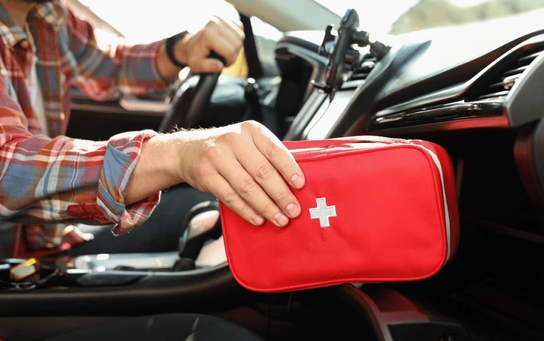
Didn’t have a first-aid kit in my car for years. Figured I’d never need it. Then my friend got a nasty cut while we were hiking and my car was the only one around. Had literally nothing to help – not even a bandaid.
Used his t-shirt as makeshift bandage. He was fine but I felt like an idiot. What if it had been worse?
Started researching car first-aid kits. Amazon has hundreds ranging from $10 to $150. Half look like garbage, half look overpriced. Reviews are useless – mostly “haven’t needed it yet, 5 stars!”
Bought three different kits over the years. One was trash, one was okay, one actually has what you need. Learned what actually matters versus marketing fluff.
The Short Answer
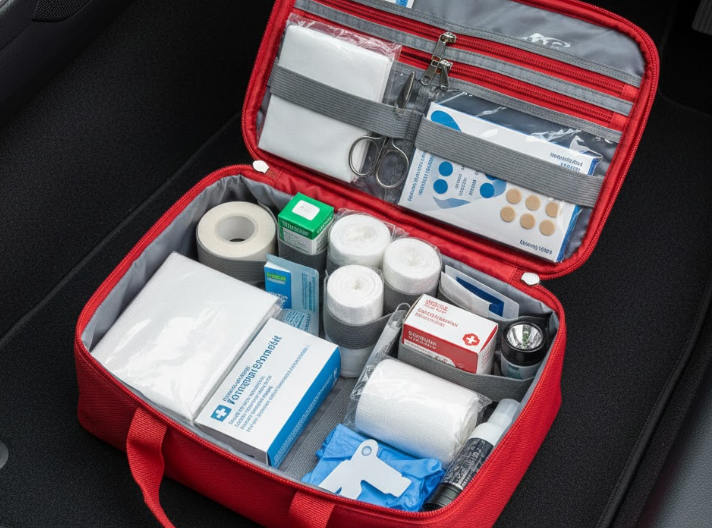
Get a pre-made kit with trauma supplies (for serious injuries), not just bandaids. Around $30-50 for good kit.
Or build your own with actual useful supplies. Costs similar but you get exactly what you need.
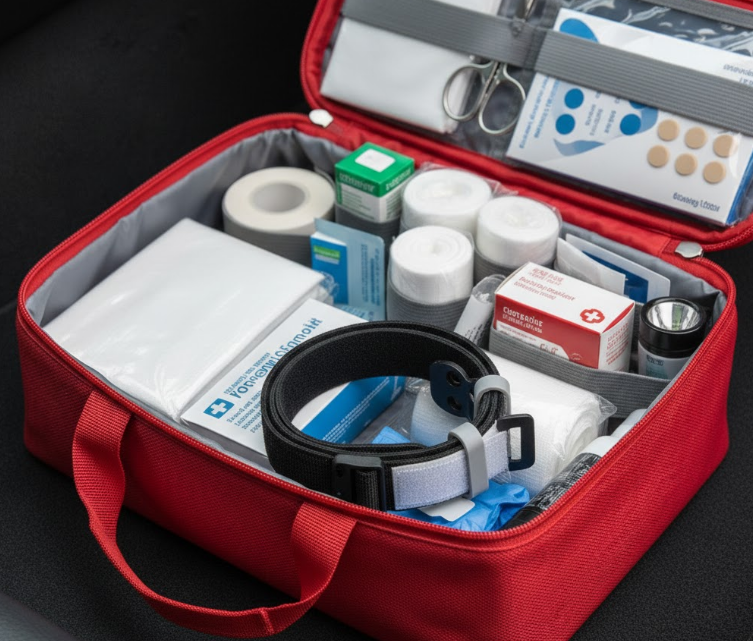
Must have: tourniquets, trauma dressings, gauze, tape, gloves. Bandaids are nice but not critical.
I keep a $40 Adventure Medical Kits trauma kit in my trunk. Been there two years, haven’t needed it, but glad it’s there.
My Journey Through Bad Kits
Kit #1 – $15 Amazon basic – 100 pieces! Mostly worthless items. 90 bandaids, few alcohol wipes, couple gauze pads. Useless for actual injury.
Kit #2 – $25 AAA roadside kit – Better but still inadequate. Had some real supplies but missing trauma items. Focused on minor cuts.
Kit #3 – $40 Adventure Medical Kit – Actually designed for real emergencies. Tourniquets, chest seals, trauma dressings. This is what you want.
Wasted $40 on inadequate kits before getting right one.
The pattern: cheap kits pad their “piece count” with useless stuff. Real kits focus on life-saving supplies.
What Actually Matters In Emergencies
First-aid training teaches you to prioritize:
Life-threatening bleeding – #1 priority. Need tourniquet and trauma dressings. Can die in minutes.
Airway obstruction – Need to clear airway. Less common but critical.
Shock – Keep person warm and calm. Need space blanket.
Minor injuries – Cuts, scrapes, burns. Important but not immediately life-threatening.
Most car first-aid kits focus on #4. Real emergencies are #1-3.
I took first-aid class after the hiking incident. Completely changed what I thought belonged in car kit.
Bandaids don’t save lives. Tourniquets do.
The Problem With “100-Piece” Kits
Marketing focuses on quantity. “200 pieces!” sounds impressive.
How they get to 200:
- 150 bandaids of various sizes
- 20 alcohol wipes
- 10 gauze pads
- 10 cotton swabs
- 5 safety pins
- 5 actually useful items
It’s bullshit counting. Five safety pins = “5 pieces” but one trauma dressing = “1 piece.”
My expensive kit has maybe 50 pieces total. But every piece actually matters.
Don’t fall for piece count. Look at what’s actually included.
Building Your Own Kit
This is actually better than pre-made if you know what you’re doing.
Core items you need:
For major bleeding:
- Tourniquet (CAT or SOFT-T) – $30
- Israeli bandage or trauma dressing – $10-15
- QuikClot or hemostatic gauze – $15-20
- Rolled gauze – $3-5
- Medical tape – $3-5
For wound care:
- Sterile gauze pads (various sizes) – $8-12
- Non-stick pads – $5-8
- Elastic bandage – $5
- Triangle bandage – $3
- Butterfly closures – $3-5
Other essentials:
- Nitrile gloves (multiple pairs) – $8-10
- CPR face shield – $3-5
- Space blanket – $2-3
- Scissors/shears – $8-12
- Tweezers – $5
- Pain relievers – $5-8
- Antibiotic ointment – $5
- Burn gel – $5-8
Total cost: $150-200 for everything
Or buy pre-made kit for $40-60 that has most of this. Your call.
I bought pre-made because I’m lazy. But building your own lets you customize exactly what you want.
What You Can Skip
Bandaids – Nice to have but not essential. Can make do without them. Focus on serious injury supplies first.
Cotton swabs – Basically useless. Don’t need them.
Most ointments and creams – Antibiotic ointment is good. Random creams are filler.
Thermometer – If someone has fever in car, you’re taking them to hospital anyway.
Snake bite kit – Old-school advice was wrong. Don’t cut, suck, or tourniquet snake bites. Just get to hospital.
Elaborate splints – Cardboard and tape work fine for splinting if needed.
Eyewash – Water works. Dedicated eyewash is overkill for car kit.
Focus money and space on trauma supplies. Everything else is nice-to-have at best.
The Tourniquet Debate
Some people say tourniquets are too advanced for untrained people.
I disagree. Anyone can apply a tourniquet. It’s not complicated.
When you need it:
- Severe bleeding from arm or leg
- Direct pressure isn’t stopping it
- Person will die without intervention
How to use:
- Place 2-3 inches above wound, not on joint
- Tighten until bleeding stops
- Note time applied
- Get to hospital immediately
Is there risk? Sure. But bleeding to death is worse.
I have CAT tourniquet in my kit. Watched YouTube video on how to use it. Hope I never need it but could do it if required.
Location In Car Matters
Where you keep kit affects usefulness.
Good locations:
- Trunk – accessible, protected from heat
- Under seat – closer access but less space
- Behind driver’s seat pocket
- Center console – for small kit
Bad locations:
- Glove box – usually too small, gets too hot
- Door pocket – exposed to weather when door opens
- Way back of SUV under stuff – not accessible
Mine is in trunk in dedicated spot. Takes 10 seconds to grab.
Make sure everyone who drives your car knows where it is. No point having kit nobody can find.
For Different Climates
Hot climates:
- Keep kit out of direct sun
- Replace items affected by heat more often
- Medications degrade faster
Cold climates:
- Some supplies can freeze (water-based ointments)
- Keep space blanket definitely
- Consider hand warmers
Humid climates:
- Check for moisture damage regularly
- Sealed packaging important
- Replace corroded scissors/tools
I’m in Illinois. Temperature extremes both ways. Check kit twice a year when switching seasonal stuff.
Expiration Dates Are Real
Medical supplies expire. Actually matters.
Items with expiration:
- Medications (pain relievers, etc) – replace at expiration
- Antibiotic ointment – year or two
- Sealed bandages – several years usually fine
- Hemostatic gauze – 3-5 years typically
Items that don’t expire:
- Tourniquet
- Basic bandages
- Tape (might dry out but still works)
- Scissors, tweezers, tools
Check kit annually. Replace expired items. Costs maybe $10-20 per year for replacements.
I set reminder on phone to check every January. Takes 10 minutes.
First-Aid Training Is More Important Than Kit
Best first-aid kit in the world is useless if you don’t know what to do.
Take basic first-aid/CPR class. Red Cross, community colleges, many offer them.
Learn:
- CPR
- Stopping severe bleeding
- Treating shock
- Basic wound care
- When to call 911 vs handle yourself
I took 8-hour class for $75. Best money I’ve spent on safety.
You don’t need to be EMT. Just basic knowledge of what to do in common emergencies.
The kit just provides tools. Knowledge is what actually saves lives.
For Families With Kids
Add pediatric-specific items:
- Smaller bandages
- Children’s pain reliever
- Allergy medication
- Thermometer (actually useful for kids)
- Kid-friendly antiseptic wipes
My friend with toddler keeps separate small kit in backseat within reach. Makes sense for frequent minor kid injuries.
Also teach older kids where kit is and basics of using bandaids. Builds responsibility.
Common Injuries You’ll Actually Use Kit For
In reality, most kit uses are minor:
Cuts and scrapes – Most common. Bandaids, gauze, antibiotic ointment.
Burns – Hot coffee spills, touching hot metal. Burn gel or cooling pads.
Splinters – Tweezers are surprisingly useful.
Blisters – Longer hikes, new shoes. Moleskin or blister bandages.
Headaches – Pain reliever gets used regularly.
Allergic reactions – Antihistamine useful for bug bites, minor allergies.
I’ve used mine for minor stuff dozens of times. Worth it just for convenience.
Major trauma? Thankfully never. But kit is there just in case.
What To Add For Road Trips
Going far from civilization? Expand kit:
- Extra trauma supplies
- More medications
- Snake bite protocol info
- Wilderness medicine guide
- Satellite communicator or personal locator beacon
- Extra days of any prescription meds
Standard kit assumes you’re within 30 minutes of hospital. Remote areas need more self-sufficiency.
I don’t add stuff for local driving. For road trips to mountains, I upgrade temporarily.
The Medication Question
Over-the-counter you should have:
- Pain reliever (ibuprofen, acetaminophen)
- Antihistamine (Benadryl)
- Anti-diarrheal (Imodium)
- Antacid
Prescriptions:
- EpiPen if anyone has severe allergies
- Inhaler if anyone has asthma
- Any personal critical medications
Don’t keep expired prescription meds. Especially EpiPen – replace before expiration.
I keep basic OTC meds. Gets used more than trauma supplies honestly.
Gloves Are Non-Negotiable
Always use gloves when treating anyone’s injury. Protects both of you.
Why gloves matter:
- Blood-borne pathogens (HIV, hepatitis, etc)
- Infection prevention
- Required in first-aid protocol
Keep multiple pairs. They’re cheap and essential.
I have 5 pairs in kit. Used 3 so far helping random people. Replaced them immediately.
Nitrile gloves better than latex. Less allergy risk, more durable.
Pre-Made Kits That Don’t Suck
If buying pre-made:
Adventure Medical Kits Trauma Pak ($40-50) – What I have. Focus on serious injuries. Compact.
Surviveware Large Kit ($35-45) – Comprehensive. Good organization. Maybe too big.
MyMedic MyFAK ($60-80) – Premium option. Excellent supplies. Expensive.
Lightning X First Responder Kit ($45-60) – Used by some EMTs. Overkill but thorough.
EVERLIT Emergency Trauma Kit ($35-45) – Good balance of trauma and basic supplies.
Avoid brands you’ve never heard of with suspiciously good reviews. Stick with established companies.
Checking Your Kit
Set annual reminder to:
- Check expiration dates
- Replace used items
- Verify everything still sealed
- Make sure you still remember where it is
- Review how to use key items
Takes 15 minutes. Ensures kit is actually ready when needed.
I do this every New Year’s Day. Easy to remember.
Found expired ibuprofen and used bandages last check. Replaced them. Kit ready to go again.
What I’d Tell Someone Starting Out
Buy Adventure Medical Kits Trauma Pak or similar for $40-50. Has what you actually need.
Take basic first-aid class so you know what you’re doing.
Keep kit in trunk in accessible spot. Tell passengers where it is.
Check it annually and replace expired items.
Hope you never need it but be glad it’s there.
Don’t overthink it. You don’t need $200 professional EMT kit. You need basic supplies and knowledge.
The Real Answer
Keep a legitimate first-aid kit in your car focused on trauma and serious injuries, not just bandaids.
Spend $40-60 on quality pre-made kit, or build your own for similar cost with exactly what you want.
More important than kit itself: take first-aid training. Knowledge saves lives, not supplies.
Check kit annually, replace expired items, make sure it’s accessible.
I drove for years without kit. Felt invincible. Then needed one and didn’t have it.
Now I keep kit in every car I own. Used it multiple times for minor stuff. Never needed it for major emergency.
But the one time you need tourniquet and hemostatic gauze, you really need them. Rather have it and not need it.
This is cheap insurance that might save your life or someone else’s. $50 kit and $75 training class is nothing compared to being helpless in actual emergency.
Just buy the kit and take the class. Stop putting it off like I did.