
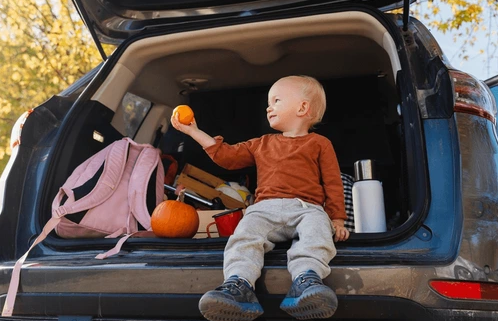
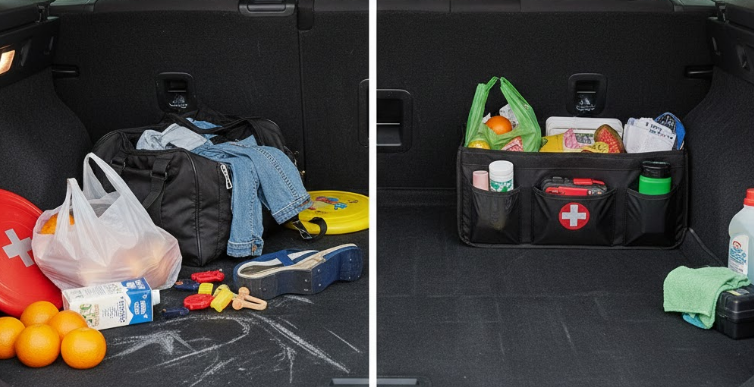
My trunk was a disaster zone for years. Groceries sliding around every time I turned. Tools rolling into corners. Random stuff just piled everywhere. Opened my trunk at a stoplight once and a gallon of milk had tipped over and leaked everywhere.
That was my breaking point. Spent way too long researching trunk organizers on Amazon. Hundreds of options with wildly different designs and prices from $15 to $100+.
Bought three different ones over a year before figuring out what actually works. Most trunk organizers are either too small to be useful, too flimsy to stay upright, or too big to fit anything else in the trunk.
Finally found one that works after lots of trial and error. Wish I’d known what to look for from the start.
The Short Answer
For most people: collapsible trunk organizers with multiple compartments work best. Around $30-50 for decent quality.
Brands that work: Drive Auto, Starling’s, Home-Complete. Look for sturdy walls, multiple sections, and ability to collapse flat when not needed.
Avoid the super cheap $15 ones – they fall apart. Also skip the expensive $80+ ones unless you need heavy-duty commercial use.
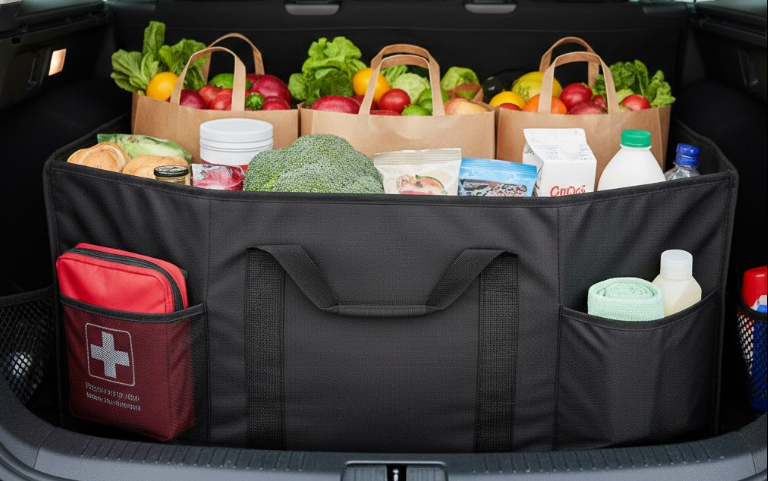
I use a Starling’s 3-compartment organizer and it’s been perfect for two years of hauling groceries, sports gear, and random stuff.
My Journey Through Bad Organizers
First one – $18 Amazon basic – Fabric was thin, walls flopped over when loaded. Items still rolled around. Used it once and returned it.
Second one – $45 fancy leather-look – Looked nice but was too big. Took up entire trunk even when folded. Couldn’t fit larger items alongside it.
Third one – $65 heavy-duty – Overbuilt for my needs. Heavy, bulky, didn’t collapse well. Good for contractors maybe. Overkill for groceries.
Current one – $35 Starling’s – Three compartments, collapses flat, sturdy enough to stay upright. Perfect balance of features and size. Finally got it right.
Wasted probably $80 on organizers I returned before finding the right one.
What Actually Matters
Rigid walls that stay up – The #1 thing. Walls need to be stiff enough to stay upright when you load items. Floppy walls defeat the purpose.
Multiple compartments – At least 2-3 sections so you can separate things. All one big section doesn’t help organize.
Collapsible design – Needs to fold flat when you don’t need it. Sometimes you need full trunk space for big items.
Non-slip bottom – Rubber or grippy material so the organizer itself doesn’t slide around. Defeats the purpose if it’s sliding.
Appropriate size – Big enough to be useful but not so big it takes over your entire trunk. This is personal to your trunk size.
Handles – Good handles make it easy to carry in and out of trunk. Sounds minor but it matters.
Easy to clean – Will get dirty from groceries and gear. Needs to wipe clean easily.
My Starling’s organizer checks all these boxes. Previous ones failed on one or more points.
Different Types Explained
Collapsible fabric organizers – Most common type. Fabric sides with rigid panels or boards. Collapse flat. $25-60.
Hard plastic bins – Rigid containers. Don’t collapse but very durable. $30-50. Take up space even when empty.
Soft fabric only – Cheapest option. No rigid structure. Pretty useless – things still roll around. $15-25. Skip these.
Heavy-duty contractor style – Built for tools and work gear. Overbuilt for most people. $60-100+.
SUV-specific large organizers – Massive organizers for cargo areas. Multiple large compartments. $50-80.
Backseat organizers – Mount on back of seats. Different purpose than trunk. Confusingly called organizers too.
For normal cars, collapsible fabric with rigid structure is the sweet spot.
Size Matters More Than Expected
This was my biggest mistake early on. Bought an organizer that was technically the right dimensions but still too big in practice.
The organizer fit in my trunk dimension-wise, but when loaded it took up so much space I couldn’t fit anything else. Like when I needed to haul bigger items alongside groceries.
Now I use the organizer for regular trips but fold it up when I need full trunk space.
Measure your trunk. Buy an organizer that’s maybe 60-70% of trunk width, not 100%. Leave room for flexibility.
My sedan trunk is about 40″ wide. My organizer is 25″ wide. Perfect balance.
The Grocery Store Test
This is my real-world test for trunk organizers: how well does it handle a full grocery trip?
Good organizer:
- Keeps bags upright and separated
- Prevents items from rolling around corners
- Eggs don’t get crushed by other bags
- Easy to grab bags out without digging
Bad organizer:
- Bags still tip over
- Items roll into corners anyway
- Have to repack the whole thing
- More hassle than just throwing bags in trunk
The $18 organizer failed this test immediately. Bags tipped over on the first turn out of parking lot.
The Starling’s passes easily. Three compartments keep bags separated and upright.
For Different Vehicle Types
Sedans – Medium-sized collapsible organizer (24-30″ wide). My Civic uses 25″ organizer perfectly.
Hatchbacks – Similar to sedans but might want lower profile since cargo area is visible from windows.
SUVs/Crossovers – Can go bigger (30-40″ wide) due to larger cargo area. Multiple larger compartments useful.
Trucks – Depends on cab configuration. Extended cab trucks might need compact organizer. Crew cabs can use SUV-sized.
Vans – Huge cargo space, can use multiple organizers or extra-large ones designed for commercial use.
Don’t just buy “best seller” – buy appropriate size for your vehicle.
Number Of Compartments
2 compartments – Minimum useful number. Separate cold from dry groceries or clean from dirty gear.
3 compartments – Sweet spot for most people. What I have. Enough separation without being too complicated.
4+ compartments – Usually means smaller sections. Can be useful for organizing lots of small items. Overkill for me.
Some organizers have adjustable dividers which is nice for flexibility.
I thought I wanted more compartments but 3 is perfect. More would just mean each section is too small.
Build Quality Differences
Cheap $15-20 organizers:
- Thin fabric tears easily
- Flimsy panels bend and collapse
- Velcro wears out quickly
- Last maybe 3-6 months
Mid-range $30-50 organizers:
- Heavier fabric holds up better
- Rigid panels maintain structure
- Better stitching and hardware
- Last 2-3+ years
Premium $60-100 organizers:
- Heavy-duty materials for commercial use
- Extra reinforcement and pockets
- Probably overkill unless you abuse it daily
I tried cheap first. False economy – it fell apart in two months.
Mid-range is the value zone. Good enough for normal use, lasts years.
The Collapsible Feature
Being able to fold the organizer flat when not needed is huge.
Sometimes I need to haul furniture or large items. Can’t do that with a permanent organizer taking up space.
Good collapsible organizers fold down to like 3-4 inches thick. Store it in garage or behind a seat when not using.
The $65 heavy-duty one I tried claimed to be collapsible but was still bulky even folded. Annoying.
My Starling’s collapses completely flat. Takes 10 seconds to pop it back open when I need it.
Don’t underestimate how useful this feature is.
Handles Make A Difference
Quality organizers have reinforced handles on the sides and/or top.
Makes it easy to lift the organizer out of trunk when full. Like when I want to bring all my groceries in at once.
Cheap organizers have weak handles that rip off when you lift a loaded organizer.
I ripped a handle clean off my first organizer trying to carry it inside with groceries. Bags went everywhere.
Look for sewn-in reinforced handles, not just fabric loops. They need to support weight.
Additional Features That Might Matter
Side pockets – Some organizers have mesh pockets on sides. Useful for small items like napkins or reusable bags. Nice but not essential.
Cooler section – A few have insulated compartments. Gimmicky in my opinion. Just use a separate cooler bag.
Adjustable dividers – Can reconfigure compartment sizes. Useful if your needs vary a lot. Adds complexity though.
Lid/cover – Some close with a lid. Keeps sun off items in cargo area. Only matters for SUVs where trunk is visible.
Multiple colors – Mostly aesthetic. Black hides dirt better than lighter colors.
I have side pockets on mine. Use them occasionally. Everything else is bonus features I don’t really need.
Brands That Actually Work
Starling’s – What I use. Good quality, reasonable price. Around $35. Available on Amazon.
Drive Auto Products – Popular choice, similar quality to Starling’s. $30-40. Lots of size options.
Home-Complete – Basic but solid. Cheaper option around $25. Good value.
Honey-Can-Do – Slightly nicer materials, costs more. $45-60. Worth it if you want premium feel.
Trunkcratepro – Heavy-duty option. $60+. Overkill for most people but well-made.
Avoid random no-name Chinese brands with fake reviews. Stick with brands that have been around.
What Doesn’t Work
Soft fabric only organizers – No structure, things still slide around. Waste of money.
Trunk nets – Just keep items from flying forward in accident. Don’t organize anything.
Cardboard boxes – Free but fall apart when wet. Look terrible. Come on.
Plastic storage bins – Work but take up space even when empty. Not as flexible as collapsible organizers.
DIY solutions with milk crates – I tried this. It’s janky and slides around. Just buy a real organizer.
I went through the DIY phase thinking I’d save money. Spent two months annoyed before buying proper organizer.
For Specific Use Cases
Groceries – Standard 3-compartment organizer perfect. Separate cold, dry, fragile items.
Sports equipment – Larger compartments or heavy-duty organizer. Standard ones work okay though.
Tools – Heavy-duty organizer with smaller compartments. Or just use a toolbox honestly.
Pet supplies – Standard organizer works. Maybe get one you don’t mind getting dirty.
Emergency kit storage – Small organizer specifically for emergency items. Keep it in trunk always.
Kids’ gear – Standard organizer fine. Gets dirty fast so get one that cleans easily.
Most people just need a standard multi-compartment organizer. Special use cases can get specialized but unnecessary for most.
Cleaning And Maintenance
Organizers get dirty. Especially if you haul groceries, sports gear, or pet stuff.
Fabric organizers – Wipe down with damp cloth. Some are machine washable but I’ve never bothered. Spot clean as needed.
Hard plastic – Spray out with hose. Super easy to clean. This is an advantage over fabric.
Mine gets wiped down maybe monthly. Takes 2 minutes with a damp towel.
Avoid organizers with white or light colored fabric. Shows every stain. Black or dark colors hide dirt better.
The Cost Reality
You can spend $15-100 on trunk organizers. Here’s what different price points get you:
$15-25 – Cheap fabric, weak structure, falls apart quickly. Not worth it even though tempting.
$25-40 – Good quality, durable, will last 2-3 years. Best value zone. What most people should buy.
$40-60 – Nicer materials, extra features, heavier duty. Worth it if you use it constantly or haul heavy stuff.
$60-100+ – Commercial grade or luxury materials. Overkill unless you have specific needs.
I spent $35 on mine two years ago. Used it probably 200+ times. That’s like 17 cents per use. Worth it.
Compare to constantly dealing with sliding groceries and messy trunk. The convenience alone justifies $35.
Installation Is Literally Just Putting It In The Trunk
This isn’t really “installation” but: open trunk, unfold organizer, place it in trunk. Done.
The non-slip bottom keeps it from sliding too much. Some people use velcro strips to secure it but I’ve never needed to.
Takes 10 seconds to put in or take out.
Way easier than any other car accessory project.
What I’d Buy Today
If I needed a new organizer right now I’d get another Starling’s 3-compartment. It’s been perfect.
If I wanted to save money I’d try Home-Complete which is similar but cheaper.
If I had an SUV I’d look at Drive Auto’s larger models for bigger cargo areas.
Main criteria:
- Collapsible design
- Rigid walls that stay up
- 2-3 compartments
- Good handles
- Around $30-40 price range
- Black or dark color
That eliminates most options and makes choice easy.
The Backseat Organizer Confusion
People sometimes confuse trunk organizers with backseat organizers.
Backseat organizers hang on the back of front seats. They’re for small items passengers need access to.
Trunk organizers go in the trunk/cargo area. They’re for containing larger items during transport.
Different products, different purposes. Don’t accidentally buy backseat organizer when you need trunk organizer.
I almost made this mistake. Product photos weren’t clear. Read descriptions carefully.
For People Who Don’t Need One
Honestly if your trunk is already organized and you rarely carry stuff that slides around, you don’t need an organizer.
I didn’t need one for years because I barely used my trunk. Then my life changed and suddenly I was hauling groceries weekly.
Assess whether you actually have a trunk organization problem. Don’t buy solutions for problems you don’t have.
But if you’re constantly frustrated by sliding bags and messy trunk, organizer is cheap solution.
The Real Answer For Most People
Buy a collapsible fabric trunk organizer with rigid structure and 2-3 compartments from a known brand. Expect to pay $30-45.
Starling’s, Drive Auto, or Home-Complete are all good choices.
Make sure it’s appropriately sized for your trunk – not too big, not too small.
It’ll keep your groceries from sliding around, separate clean from dirty items, and generally make trunk usage way less annoying.
Worth the $35 investment for the convenience alone.
I drove for years with a messy trunk thinking I didn’t need an organizer. Bought one when I finally got fed up. Wish I’d done it sooner.
Simple accessory that solves a real problem without being expensive or complicated. Rare combination.
Just don’t overthink it – get a basic quality one and you’ll be fine. You don’t need the $80 premium organizer with 47 pockets and insulated compartments. The $35 one works great.