
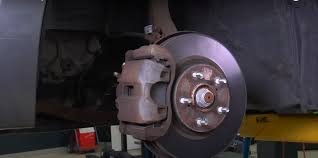
What to do if your car’s brakes feel loose on the highway is one of those situations nobody prepares for, yet it happens more often than people think. “Loose brakes” usually means the pedal feels soft, spongy, goes lower than normal, or the car isn’t slowing down the way it should. The worst part is that panic makes everything harder, so the most important thing you can do first is stay mentally calm, even if your heart is racing.
The very first thing to do is take your foot off the accelerator immediately. Don’t keep trying to drive like nothing’s wrong. The moment you feel the brakes aren’t responding properly, you need to start slowing the car down using everything except panic.
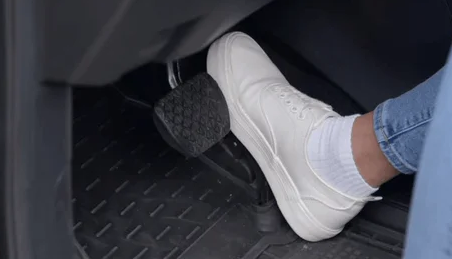
Press the brake pedal firmly but not violently.
• Do not slam it repeatedly
• Do not pump it fast unless it’s going straight to the floor
• Apply steady pressure and see how the car responds
Sometimes loose or spongy brakes still work — they just need more pressure. If the pedal sinks but the car slows even a little, keep that pressure steady.
Next, downshift. This is critical and many drivers forget it.
• Shift to a lower gear gradually
• Let the engine slow the car
• Do not downshift aggressively at high speed
Engine braking won’t stop you instantly, but it buys you time and reduces speed without relying on the brake system.
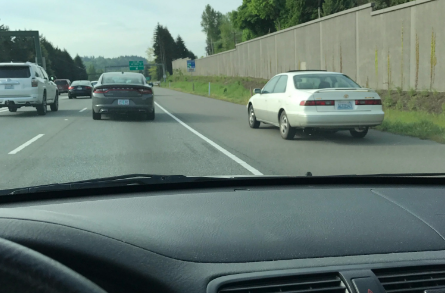
Turn on your hazard lights immediately. This tells other drivers something is wrong so they give you space. On highways, this matters more than anything else because sudden braking behind you can cause pile-ups.
Now, look for a safe escape path.
• Move to the far right lane if possible
• Look for a shoulder, exit ramp, or emergency lane
• Avoid sharp steering at high speed
Your goal is not to stop instantly — your goal is to get out of traffic safely.
If the brakes feel worse or almost gone, you can use the handbrake (parking brake) — but only carefully.
• Pull it slowly
• Do NOT yank it
• Be ready to release if the rear wheels lock
The handbrake works on the rear wheels and can help slow the car, but pulling it hard can cause a skid, especially at highway speed.
If the brake pedal goes completely to the floor and nothing happens, you’re dealing with near-total brake failure. In that case:
• Keep downshifting
• Use gentle handbrake pressure
• Aim for an uphill road or exit if available
• Use the shoulder friction to slow down
Do not turn off the engine while moving. You will lose power steering and power brakes, making control much harder.
Once you’ve slowed enough, pull over completely, keep hazards on, and stop the car. Do not try to “test” the brakes again by driving. Loose brakes on the highway mean something is seriously wrong.
After stopping:
• Do not continue driving
• Call roadside assistance or a tow
• If you must inspect, look for brake fluid leaks under the car
Common causes of loose brakes include:
• Low brake fluid
• Air in brake lines
• Worn brake pads or rotors
• Failing master cylinder
• Overheated brakes
Most of these cannot be safely fixed on the roadside.
Here’s the part people don’t like hearing: if your brakes felt loose once on the highway, they will feel worse next time. Brake problems don’t heal themselves. Driving “just a little further” is how minor issues turn into accidents.
The real takeaway is this: loose brakes are not a “drive carefully” problem — they’re a stop driving immediately problem. You did nothing wrong by feeling scared. That fear is useful. It keeps you alive.