
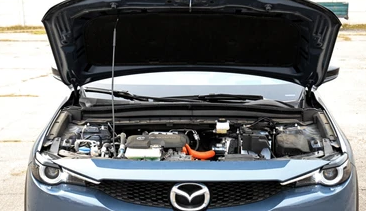
So my first car had this absolute nightmare of an engine that burned through oil like it was going out of style. I’m talking a quart every 500 miles. Eventually figured out it was a known design flaw, but by then I’d already dumped a bunch of money into it. That experience taught me exactly what makes an engine go from “needs a little work” to “complete garbage.”

Poor Design From the Factory
Some engines are just badly designed from day one. The engineers made choices that seemed fine on paper but turned into disasters in the real world. Take the Chrysler 2.7L V6 from the early 2000s—that thing was a sludge machine. The oil passages were too narrow, so oil couldn’t flow properly, which led to buildup and eventually total engine failure.
Or look at the Hyundai/Kia Theta II engines that had those metal shavings left in the crankshaft during manufacturing. That’s not wear and tear, that’s literally the factory screwing up and sending out engines with debris inside them. No amount of good maintenance fixes a fundamentally flawed design.
Ford’s 6.0L Power Stroke diesel is another classic example. The EGR cooler would fail and dump coolant into the engine. The head bolts would stretch. The oil cooler would clog. It wasn’t one problem—it was like five major design issues all in the same engine. People spent thousands trying to “bulletproof” these things just to make them reliable.
Cheap Materials and Cost Cutting
This is huge. When manufacturers use garbage materials to save fifteen bucks per engine, you end up with timing chains that stretch, gaskets that leak, and plastic components that crack way too early.
I had a friend with a Nissan that had a plastic timing chain guide. PLASTIC. In an engine that gets hot enough to fry an egg on. Guess what happened? The guide disintegrated, the chain jumped, and the whole engine grenaded itself at 80,000 miles. Meanwhile, older engines with metal guides run for 300,000 miles no problem.
Same thing with plastic intake manifolds that crack, cheap piston rings that don’t seal properly, thin cylinder walls that wear out fast. All of it comes down to bean counters trying to shave costs without thinking about what happens five years down the road.
Terrible Oil Management
Engines need oil. This seems obvious, but some designs make it way harder than it should be. I’m talking about engines with oil consumption issues baked into the design, weird oil passages that don’t lubricate properly, or oil pumps that fail prematurely.
The Subaru EJ25 engines are notorious for burning oil. It’s not even really a defect—it’s just how they’re built. The piston rings don’t seal great, and oil seeps past them into the combustion chamber where it burns off. You either top off the oil constantly or the engine eventually eats itself.
Then there are engines with oil starvation problems during hard cornering or acceleration because the oil pickup is in a dumb location. Or engines where the PCV system doesn’t work right and creates too much crankcase pressure, which blows out seals and gaskets.
Overheating Issues Baked Into the Design
Heat kills engines faster than anything else. Some engines just run too hot because of poor cooling system design, inadequate radiator capacity, or cooling passages that don’t flow well enough.
The Northstar V8 engines from Cadillac would warp the heads and blow head gaskets because they ran hot and used a questionable head bolt design. Once those head gaskets went, coolant mixed with oil and you were basically done. A lot of people didn’t even know there was a problem until the engine was already trashed.
I’ve also seen engines where the thermostat is in a stupid location that’s impossible to service, so people just don’t change it. Then it fails stuck closed, the engine overheats, and boom—warped head, cracked block, whatever.
Timing Belt or Chain Nightmares
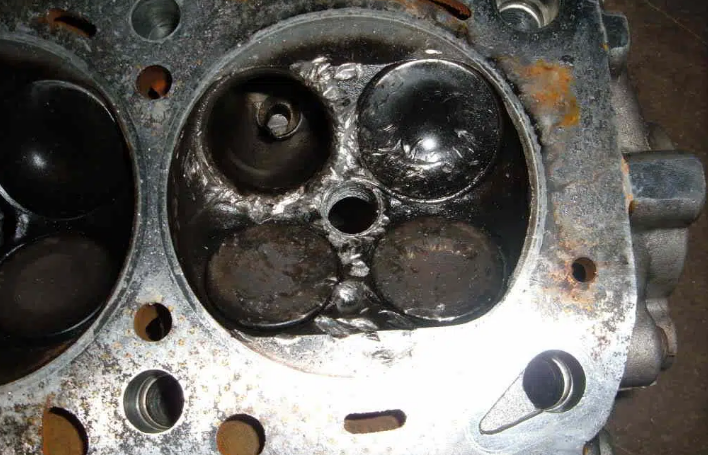
Interference engines are fine IF the timing components are reliable. The problem is when you combine an interference design with a timing belt or chain that fails early. If the timing jumps even slightly, the pistons smack into the valves and you’ve got a very expensive pile of scrap metal.
The Honda J35 engines had timing belt tensioners that would fail, and since it’s an interference engine, that meant bent valves and thousands in repairs. The belt itself might be fine, but the tensioner craps out at 90,000 miles and takes the whole engine with it.
Timing chains aren’t automatically better either. The GM 3.6L V6 timing chains stretch like taffy and need replacement way earlier than they should. And the replacement job is expensive because you’ve gotta tear apart half the engine to get to them.
Emissions Equipment That Destroys the Engine
This one’s controversial, but modern emissions stuff causes real problems on some engines. EGR valves that clog up and cause carbon buildup. DPF filters on diesels that regenerate constantly and dilute the oil with fuel. It’s all there to meet regulations, but sometimes it makes the engine way less reliable.
I know a guy with a newer diesel truck that’s had three sets of injectors because the emissions system keeps gunking everything up. The engine itself is probably fine, but all the extra crap bolted onto it keeps breaking and taking out other components.
Carbon buildup on direct injection engines is another thing. Without fuel washing over the intake valves, they get caked with carbon and start misfiring or losing power. It’s not really an engine design flaw, but it’s definitely a consequence of emissions-related design choices.
Turbo Problems on Engines That Weren’t Ready
Manufacturers started bolting turbos onto everything to meet fuel economy standards, but some engines just weren’t designed to handle boost. You get head gasket failures, cracked blocks, blown turbos, all because they took a naturally aspirated engine and said “eh, let’s add 15 psi of boost and hope it holds together.”
The Ford 1.6L EcoBoost had cooling issues and head gasket problems. The turbos would fail early. The engine just wasn’t robust enough for the power levels they were asking from it. Meanwhile, they had to keep warranty claims quiet because it affected so many vehicles.
Lack of Testing and Rushing to Market
Sometimes engines are terrible because they never got properly tested before being shoved into production vehicles. The manufacturer wants to hit a release date or beat competitors to market, so they skip long-term durability testing.
That’s how you end up with problems that don’t show up until 40,000 or 50,000 miles. Everything seems fine during the initial testing period, but then real-world use reveals issues the engineers never caught. By that point, millions of these engines are already in cars driving around.
What Actually Makes Engines Last
Just for contrast—engines that last forever usually have simple designs, beefy materials, good cooling, proper oiling, and plenty of testing before they hit the market. The Toyota 2JZ, Honda K-series, old Chevy small blocks—these things run forever because they were designed right from the start.
They don’t use ten chains when one would do. They don’t have plastic where metal should be. They don’t run at the ragged edge of thermal limits to squeeze out an extra 2 horsepower. They’re just solid, well-engineered engines that do their job without drama.
The Real Answer
What makes an engine terrible is usually a combination of bad design choices, cheap materials, poor testing, and sometimes just bad luck with specific production runs. It’s rarely just one thing—it’s usually multiple problems that compound each other until you’ve got an engine with a reputation for being a total disaster.
And here’s the thing that sucks—you often don’t know an engine is terrible until it’s too late. The car magazines give it good reviews, the dealer swears it’s great, and then three years later you’re on the forums reading horror stories from thousands of other owners having the same catastrophic failures.
That’s why I always Google “[car model] [engine code] problems” before buying anything now. If the first page of results is full of lawsuit articles and owner complaints, that tells you everything you need to know about that engine.