
What is the idle transmission temperature? This question usually comes up when someone plugs in a scanner for the first time and sees a number they don’t recognize. The engine temperature makes sense to people. Transmission temperature feels mysterious, and when the car is just sitting there idling, people wonder what’s “normal” and what’s a problem.
Let’s clear the confusion right away. Idle transmission temperature is simply the temperature of the transmission fluid while the car is running but not moving. That’s it. No trick. The engine is on, the transmission is engaged internally, fluid is circulating, but the car isn’t driving.
Now here’s the part that surprises people: the transmission still heats up at idle. Not as fast as when driving, but it doesn’t stay cold either. Fluid is being pumped, clutches are loaded slightly, and heat builds slowly.
For most normal passenger cars, a typical idle transmission temperature usually sits somewhere around:
• Roughly 85°F to 140°F (30°C to 60°C)
That range can vary depending on a few things, and that’s important. A cold car that’s just been started might be near the lower end. A car that’s been idling for a while, especially after driving, might sit higher.
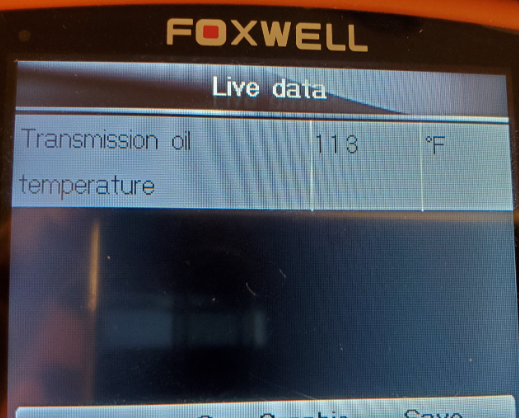
Once you start driving, transmission temperature climbs. That’s normal. But at idle, it should stabilize and not keep rising endlessly. If you see the temperature slowly climbing while the car is just sitting, that’s when people start worrying — and sometimes they should.
Different transmissions behave a little differently.
• Traditional automatic transmissions warm up gradually
• CVTs can run slightly warmer
• Dual-clutch systems behave differently depending on design
But across the board, idle temps should stay well below operating maximums.
For reference, most transmissions are designed to operate safely when driving somewhere around:
• 160°F to 200°F (70°C to 95°C)
That’s normal operating temperature during use, not idle. At idle, you should be noticeably below that unless the car just came off a hard drive or is sitting in extreme heat.
Here’s where context matters. Idle transmission temperature will be higher if:
• You just finished highway driving
• You’re idling in hot weather
• The car is towing or heavily loaded
• The cooling system airflow is limited
So seeing a higher number right after stopping doesn’t automatically mean trouble. What matters is whether the temperature comes down or stabilizes, not whether it’s briefly elevated.
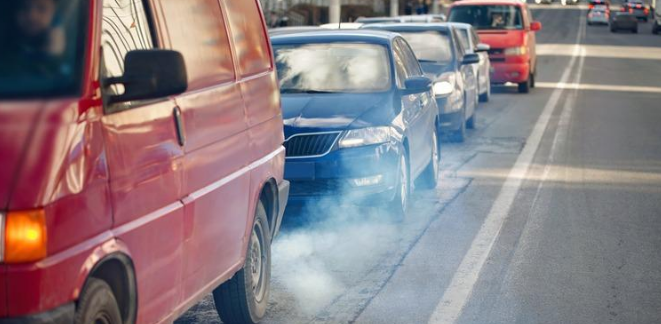
Now let’s talk about what’s not normal, because that’s usually what people are actually worried about. If your transmission temperature at idle is:
• Climbing steadily without stopping
• Already near 200°F while not moving
• Triggering warning lights
• Accompanied by slipping or delayed shifting
That’s a red flag. At that point, something isn’t cooling properly. That could be low fluid, old fluid, a clogged cooler, or internal wear causing excess heat.
Another thing people miss is that idle in traffic can be harder on transmissions than cruising. When you’re creeping forward, stopping, and sitting, the transmission is constantly working but not getting much airflow for cooling. That’s why some cars get hotter in traffic than on the highway.
So when someone asks, “What is the idle transmission temperature?” the real answer is: there’s a normal range, but the trend matters more than the number. A stable, reasonable temperature is fine. A rising one is not.
The takeaway in plain terms:
• Idle transmission temp should be warm, not hot
• It should stabilize, not keep climbing
• It should be well below driving max temperatures
• Sudden changes matter more than exact numbers