
What Happens If You Don’t Replace Your Timing Belt?
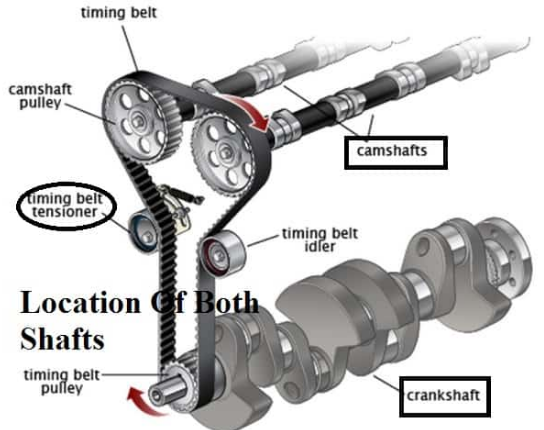
A timing belt isn’t flashy. It doesn’t get talked about like tyres or mileage or engine oil. But the belt is doing a job quietly that the entire engine depends on. It keeps the camshaft and crankshaft turning together like two dancers who cannot fall out of step. The belt is rubber, and rubber doesn’t stay young forever. Heat, friction, tension, thousands of rotations a minute — the belt absorbs all of it, slowly ageing even when the car sounds perfectly fine.
If The Belt Slips
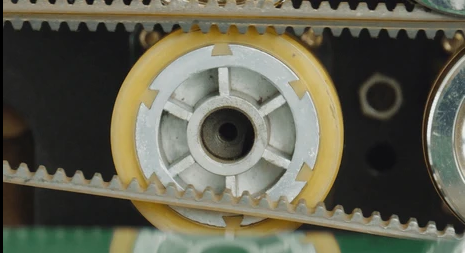
When the belt starts slipping, the engine begins acting like it’s tired, confused, or annoyed. The car may still start, but the idle won’t feel smooth. Acceleration feels weaker than it used to. Sometimes the engine misfires like it forgot a beat. Fuel economy dips because the timing is off. You might even hear a ticking or light slapping noise near the valves. None of this looks dramatic from the outside, which is why most drivers shrug it off. But this stage is not the problem. This stage is the warning. The engine is telling you the belt is losing discipline.
If The Belt Snaps
If the belt snaps, the engine doesn’t warn you louder. It just quits. Instantly. The car shuts off like someone pulled the plug. No smoke. No long grinding sound. Just silence. And after that silence, the car will not start again, no matter how many times you turn the key.
In most modern cars — which use interference engines — the pistons and valves end up trying to occupy the same space at the same time when timing collapses. Metal hits metal. Valves bend or break. Pistons get marked or damaged. The cylinder head can crack. Sometimes metal debris scatters inside the engine. This is catastrophic failure, not a roadside inconvenience.
In non-interference engines (rare today), the internals survive, but the car still stops immediately and needs towing and repair before it drives again.
The Cost Difference
A scheduled belt replacement is cheap compared to an engine rebuild. A belt job might cost a few thousand to maybe 30,000–40,000 BDT depending on car and workshop. A snapped belt in an interference engine can cost 2–5 lakh BDT or more. Sometimes the bill crosses the value of the car itself. The money is one pain. The downtime is another. In a city like Dhaka, a car dying in traffic is a nightmare scenario you can avoid with basic planning.
Common Replacement Windows
Most manufacturers place timing belt replacement between 60,000 to 100,000 km or 5 to 7 years, whichever hits first. Many engines also run the water pump and tensioner on the same belt system. Those parts age together. Smart workshops replace them together, because replacing just the belt while keeping worn support parts is like giving a new heart but keeping old arteries.
Biggest Self-Lie to Avoid
The most dangerous sentence people repeat is: “The car still runs fine, so the belt must be fine.” That logic is self-betrayal. The belt does not care about your optimism. It cares about stress and age. The failure mode is binary. It works. Then it doesn’t. That’s it.
What You Should Do Now
Pull up your car’s mileage or service history. If you are close to the limit, schedule the job now. When replacing the belt, also replace the tensioner and water pump if they share the system. Do not wait for symptoms to get dramatic. Dramatic is too late. Replace it on time, and the engine never has to meet interference reality.
Final Reality Check
Ignoring the timing belt interval is not bravery. It is silent self-sabotage. Replace it, and nothing happens. Skip it, and everything happens at once. The belt doesn’t need attention. It needs replacement on time. That is the entire game.