
If you’ve ever felt your car jerk, hesitate, or shake at a stoplight, you know that sinking feeling. Something’s off.
That rough stumble? That’s usually an engine misfire — and no, it’s not something to ignore and “see if it goes away.”
I’ve seen people drive on misfires for weeks thinking it’s just bad gas or a cold morning. Spoiler: it usually gets worse. And more expensive.
Let’s talk about what actually causes engine misfires, in plain language.
First — what an engine misfire really is
An engine misfire happens when one or more cylinders fail to fire correctly. That means the fuel-air mixture isn’t igniting the way it should — or at all.
Engines are supposed to fire smoothly, thousands of times per minute. When one cylinder drops the ball, you feel it immediately. Shaking. Hesitation. Loss of power. Sometimes a blinking check engine light (which is never a good sign).
The most common causes of engine misfires (from real-world experience)
1. Bad spark plugs or ignition coils
This is the big one. The classic.
Spark plugs wear out. Coils fail. Heat kills them over time.
I’ve pulled plugs that looked like they survived a small fire — rounded tips, carbon buildup, oil fouling. No spark, no combustion.
When a coil starts failing, it might misfire only under load — like when accelerating or climbing a hill. That’s why people say, “It only does it sometimes.”
It’s not random. It’s electrical weakness.
2. Fuel delivery problems (injectors, pressure, or bad gas)
Engines need fuel delivered precisely. Not “close enough.”
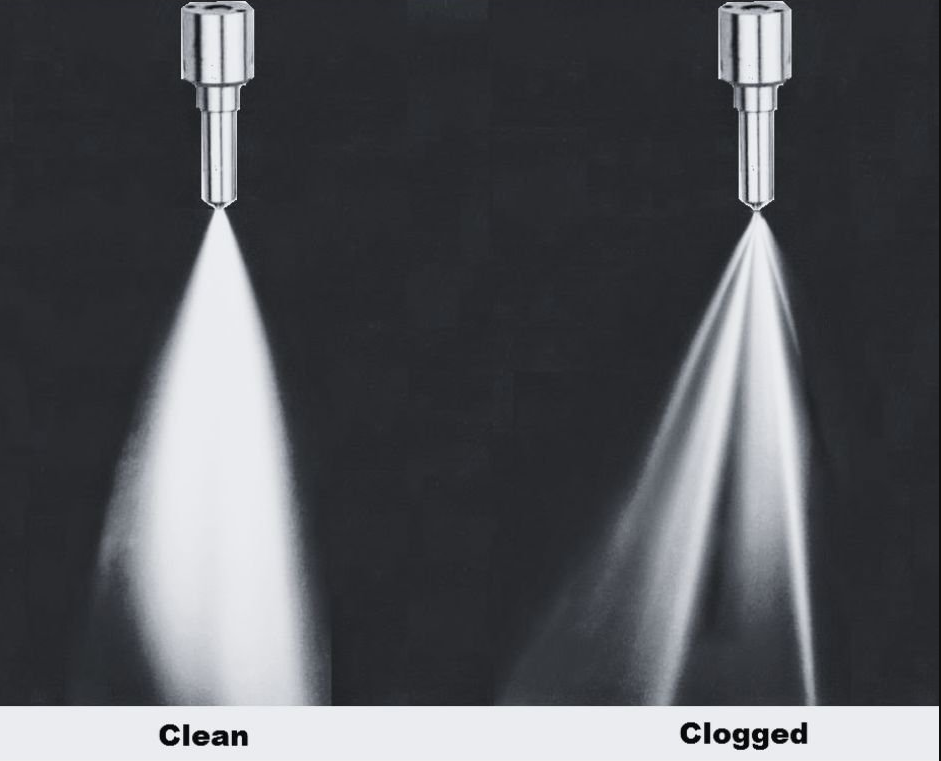
Clogged fuel injectors can spray unevenly or not at all. Low fuel pressure from a failing pump can starve cylinders. Even contaminated fuel can cause intermittent misfires that come and go.
I’ve seen cars misfire because someone filled up at a sketchy gas station once. One tank. Weeks of problems.
3. Vacuum leaks (the sneaky culprit)
This one catches people off guard.
A cracked vacuum hose, leaking intake gasket, or brittle plastic fitting can let unmetered air into the engine. The computer doesn’t expect it. The mixture goes lean. Cylinders misfire.
What makes vacuum leaks frustrating is the sound — sometimes a faint hiss, sometimes nothing at all. But the engine knows. And it complains.
Cold starts are usually worse. Idle feels rough. Then it “sort of smooths out.”
Sort of.
4. Sensor failures that throw everything off
Modern engines rely heavily on sensors. When one lies, the engine listens anyway.
Common troublemakers:
- Mass Air Flow (MAF) sensor
- Oxygen sensors
- Crankshaft or camshaft position sensors
If timing data or air readings are wrong, fuel delivery and spark timing suffer. That leads to misfires that feel random but follow a pattern once you dig in.
I’ve seen a single bad crank sensor shut down spark on one bank intermittently — just enough to drive someone crazy.
5. Compression issues (the expensive category)
This is where things get serious.
If a cylinder can’t build compression, it cannot fire correctly. Period.
Causes include:
- Burnt valves
- Worn piston rings
- Blown head gasket
Misfires from compression loss are usually constant. That cylinder never contributes fully. Power drops. Fuel economy tanks. And yes — repair costs jump fast.

6. Engine timing problems
When timing chains stretch or timing belts slip, spark and fuel happen at the wrong moment.
Even being off by a little can cause misfires across multiple cylinders. Often paired with rough idle, poor acceleration, and fault codes that seem unrelated at first glance.
This is one of those “don’t wait” problems. Timing issues rarely fix themselves.
Why driving with a misfire is a bad idea (even if it’s mild)
Here’s the truth most people don’t realize:
A misfiring cylinder sends raw fuel into the exhaust. That fuel overheats the catalytic converter — one of the most expensive components on the car.
I’ve seen $100 spark plug problems turn into $1,500 converter replacements because someone waited too long.
If your check engine light is blinking, stop driving. That’s the car saying, “You’re actively damaging me.”
How misfires are diagnosed (properly)
A real diagnosis isn’t guesswork.
It usually involves:
- Reading misfire codes (like P0301 for cylinder 1)
- Live data analysis
- Ignition testing
- Fuel pressure or injector testing
- Compression or leak-down testing
Swapping parts blindly gets expensive fast. I’ve watched people replace coils, plugs, sensors — only to discover a cracked intake hose was the real issue all along.
The bottom line — what this means for you
Engine misfires are symptoms, not mysteries.
They’re the engine telling you something isn’t right — ignition, fuel, air, timing, or compression. Ignore them, and the damage spreads. Catch them early, and most fixes are manageable.
If your car:
- Shakes at idle
- Hesitates under acceleration
- Smells like fuel
- Flashes the check engine light
Don’t brush it off.
Trust me — engines don’t complain without a reason.