
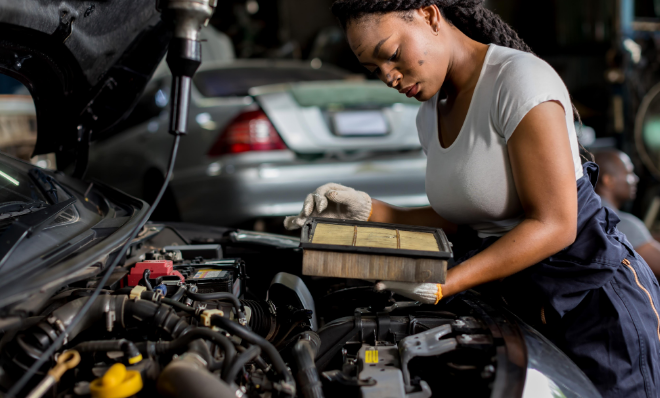
Not all “recommended maintenance” is actually necessary. Some of it is outdated, some is exaggerated, and some exists mainly to increase service bills rather than extend your car’s life.
I’ve seen people religiously pay for services their car didn’t need — while ignoring the things that actually mattered.
This guide breaks down what you can safely skip, what to question, and why these services are still pushed.
Why unnecessary maintenance still exists
Here’s the uncomfortable truth:
Car maintenance recommendations don’t all come from engineers.
Some come from:
- Old habits from older engines
- One-size-fits-all service menus
- Dealership profit models
- Fear-based marketing
Modern cars are far more advanced than cars from 20–30 years ago. Many “must-do” services simply haven’t kept up.
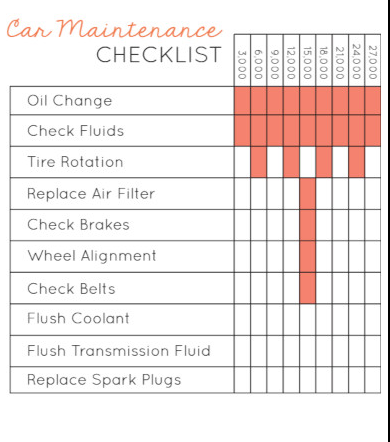
1. Engine oil flushes (for normal, well-maintained cars)
Oil flushes are one of the most over-sold services.
When they are NOT necessary
- You change oil on time
- Engine runs quietly
- No sludge visible under oil cap
- No oil pressure warnings
Modern engine oils already contain detergents designed to clean internally. Flushing a healthy engine can actually dislodge debris too quickly, causing clogged oil passages.
When they make sense
- Extremely neglected oil changes
- Severe sludge buildup
- Specific engine problems diagnosed by a professional
If your engine is healthy, skip it.
2. Transmission fluid flushes (as a routine service)
This one causes more damage than people realize.
Why flushes are risky
- High-pressure flushing can loosen debris
- Older transmissions rely on friction material suspended in fluid
- Flushing can accelerate failure in high-mileage units
What to do instead
- Follow manufacturer service intervals
- Prefer drain-and-fill, not flush
- Leave sealed transmissions alone unless specified
If your transmission is shifting fine, a flush is often unnecessary and sometimes harmful.
3. Fuel injector cleaning (without symptoms)
This service is commonly added “just in case.”
When injector cleaning is NOT needed
- Smooth idle
- Normal acceleration
- No misfire codes
- Acceptable fuel economy
Modern fuels already contain detergents that keep injectors clean. Pour-in additives rarely fix real injector problems.
When it makes sense
- Rough idle
- Misfires
- Poor fuel economy
- Confirmed injector imbalance
If your car runs fine, skip it.
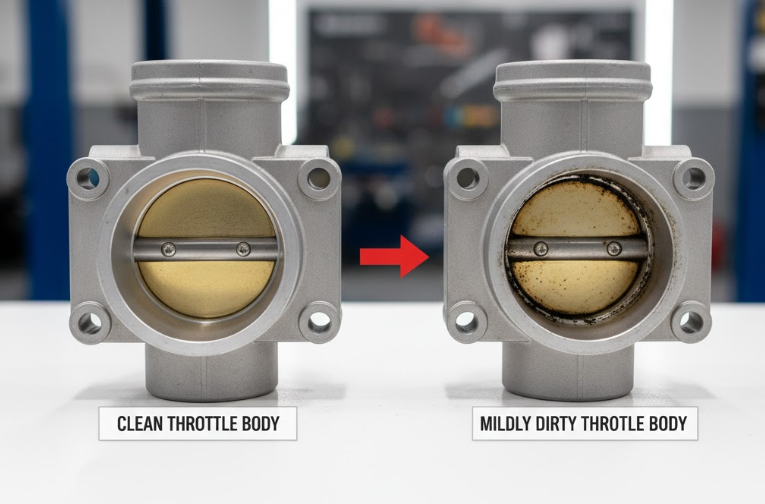
4. Throttle body cleaning on a schedule
Throttle bodies do get dirty — but not on a fixed schedule.
Why routine cleaning is unnecessary
- Modern electronic throttles self-adjust
- Minor buildup doesn’t affect performance
- Cleaning can cause idle relearn issues if done improperly
When it’s justified
- Rough idle
- Stalling
- Delayed throttle response
Cleaning without symptoms is unnecessary maintenance.
5. Early coolant flushes
Coolant technology has improved massively.
Modern coolant lifespan
- Many vehicles: 5–10 years or 100,000+ miles
- Long-life and extended-life coolants are common
When flushing is unnecessary
- Coolant is clean and correct color
- No overheating
- No contamination
Flushing coolant too early doesn’t help — it just wastes money.
6. Power steering fluid service (on sealed systems)
Many modern vehicles don’t even have serviceable power steering systems.
When it’s not needed
- Electric power steering
- No leaks
- Normal steering feel
- No noise when turning
If your owner’s manual doesn’t list it, don’t authorize it.
7. “Preventive” part replacements without symptoms
Replacing parts “before they fail” sounds smart — until it isn’t.
Often unnecessary:
- Sensors
- Coils
- Fuel pumps
- Alternators
Modern components last a long time. Replacing them early introduces new failure points.
Fix what’s failing — not what might.
8. Premium fuel when the engine doesn’t require it
This one quietly drains wallets.
Premium fuel is unnecessary if:
- Your engine is designed for regular fuel
- No knocking or pinging
- Owner’s manual says “recommended,” not “required”
Premium fuel does not clean better, increase power, or improve longevity unless the engine is designed for it.
9. Engine additives and miracle treatments
Oil stabilizers, engine restorers, friction modifiers — most do nothing measurable.
Modern oils are already carefully engineered. Adding more chemicals often disrupts that balance.
If an additive truly fixed engines, manufacturers would already use it.
10. Frequent wheel alignments without symptoms
Alignments are important — but not constantly.
Alignment is unnecessary if:
- Car tracks straight
- Steering wheel is centered
- No uneven tire wear
Align when symptoms appear, not as a routine upsell.
The pattern you should recognize
Unnecessary maintenance usually shares these traits:
- No symptoms
- No manufacturer requirement
- Sold as “preventive”
- Poorly explained
- Bundled into service packages
If a service advisor cannot explain what problem it solves, be skeptical.
How to protect yourself from unnecessary services
Before approving any maintenance, ask:
- What problem does this fix?
- What happens if I don’t do it now?
- Is this in the owner’s manual?
- Are there symptoms showing?
Good advice survives questions. Bad advice avoids them.
What maintenance you should never skip
Just to be clear, some things are always necessary:
- Oil changes
- Brake inspections
- Tire maintenance
- Coolant monitoring
- Timing belt replacements (where applicable)
Skipping real maintenance causes real damage.
The real takeaway
More maintenance does not mean better maintenance.
Smart car ownership is knowing what matters, what doesn’t, and when to say no.
Unnecessary services don’t extend your car’s life — awareness does.