
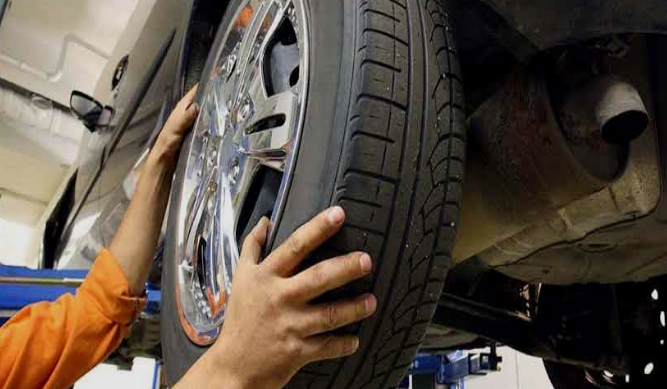
Drove on bald tires for way too long in college because I was broke and stupid. Nearly spun out on a wet on-ramp one night and that finally scared me into actually checking my tires. Turns out they were completely shot and I’d been driving a deathtrap for months.
Here’s what you should be looking for so you don’t end up like 22-year-old me hydroplaning into a guardrail.
The Penny Test Everyone Talks About
Take a penny, stick it in your tire tread upside down with Lincoln’s head going in first. If you can see all of his head, your tires are done. That means you’re under 2/32″ tread depth which is the legal minimum in most places.
Honestly though that’s already too worn. I replace mine around 4/32″ because I drive in rain a lot and don’t feel like gambling with my life. Once you get below 4/32″ your wet traction goes to hell pretty fast.
You can also just eyeball it. If the tread looks super shallow or you can barely see the grooves anymore, time for new tires. Don’t need fancy measuring tools to see when something’s obviously worn down to nothing.
Tread Wear Bars Are Actually Useful
Most people don’t even know these exist. Look between the tread grooves and you’ll see little raised bars going across. When the tread wears down level with those bars, that’s the tire screaming at you to replace it.
I never paid attention to these until a mechanic pointed them out during an oil change. Once you know they’re there you can’t unsee them. Super easy way to check without digging for pennies in your cup holder.
Uneven Wear Means Something’s Wrong
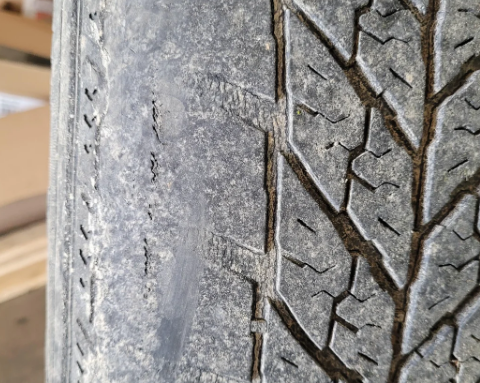
If one part of the tire is way more worn than another, you’ve got problems beyond just needing new tires. Could be alignment issues, bad suspension, wrong tire pressure, whatever.
I had tires wearing way faster on the inside edges. Turns out my alignment was completely out of whack from hitting too many potholes. Fixed the alignment but the tires were already trashed so I had to replace them anyway. Expensive lesson.
You’ll see this as bald spots on one side while the other side still has decent tread. Or the center worn down but the edges fine—that’s overinflation. Edges worn but center good—underinflation. The pattern tells you what’s causing it.
Cracks and Bulges Are Really Bad
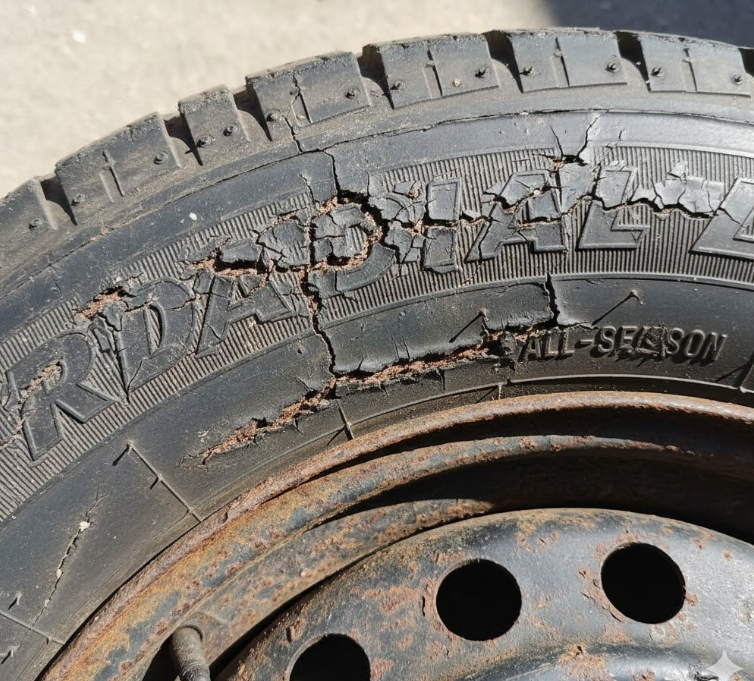
If you see cracks in the sidewall that look deep enough to notice easily, that tire’s getting old and deteriorating. Rubber breaks down over time from UV exposure, heat, just sitting there aging.
Bulges or bubbles in the sidewall mean the internal structure is damaged. I don’t care if the tread looks perfect, that tire’s a blowout waiting to happen. Replace it immediately, don’t even drive on it to get to the shop if you can avoid it.
Hit a pothole really hard and see a bulge the next day? Yeah that tire’s cooked. The impact damaged the belts inside and now it’s weak. Seen this happen to friends multiple times.
Vibrations That Won’t Go Away
Sometimes worn tires make themselves known through how the car drives. Vibration at highway speeds can mean uneven wear or internal tire damage you can’t see from the outside.
Had this happen where the tire looked fine but drove like crap. Shop put it on the balancing machine and said the tire was out of round from wear. Replaced it and the vibration disappeared.
Not all vibrations are tires obviously, could be balance, alignment, suspension stuff. But if your tires are getting up there in miles and you feel shaking, probably time to just replace them.
The Age Thing Nobody Thinks About
Tires expire even if they look fine. Check the DOT number on the sidewall—last four digits tell you the week and year it was made. Anything over 6 years old is questionable, over 10 years and you should replace it regardless of tread depth.
I bought a used car once that had great-looking tires. Then I checked the date codes and they were 8 years old. Replaced all four even though they had like 7/32″ tread left because old rubber just isn’t safe.
This especially matters for spare tires that never get used. People forget about them for a decade then try to use them in an emergency and the tire’s completely dry rotted.
Weird Noises While Driving
Tires making humming or roaring sounds that get louder as you go faster usually means uneven wear. Could be cupping where the tread develops a wavy pattern. Sounds like a helicopter taking off inside your car.
Squealing when you turn means the tires don’t have enough grip left. Or they’re just cheap tires. But if your tires used to be quiet and now they’re loud, probably wearing out.
I drove on cupped tires for a bit before I figured out what that noise was. Sounded like wheel bearings but nope, just tires worn weird from bad shocks.
When You’re Constantly Adding Air
If you’re filling up your tires every couple weeks and there’s no obvious puncture, the tire could be porous from age or developing tiny cracks. Or the bead seal is leaking because the wheel rim’s corroded.
One of my tires kept losing pressure slowly. Took it to a shop expecting a nail, they couldn’t find anything wrong but said the tire was old and probably leaking through microscopic cracks. Replaced it and problem solved.
Obviously check for nails first, but if you can’t find a leak and the tire keeps deflating, it might just be worn out internally.
The Mileage Thing
Most tires are rated for 40k-80k miles depending on the type. If you’re getting close to that number and can’t remember when you last replaced them, probably time to at least inspect them carefully.
I keep track of when I buy tires in my phone notes now because I have zero memory for this stuff. Last set I got had a 60k mile warranty, I’m at 52k now so I know they’re probably getting close to done.
Course this depends on how you drive. My friend does burnouts and drives like an idiot, his tires last maybe 20k miles. I drive like a grandma and can stretch them longer.
Don’t Wait Until They’re Completely Bald
I see people driving on tires with literally zero tread left and it blows my mind. At that point you’re basically driving on racing slicks except racing slicks are designed for that and your worn-out all-seasons definitely aren’t.
Wet roads become ice rinks. Stopping distances go way up. You can’t turn aggressively without losing traction. And god forbid you hit snow, you’re not going anywhere.
The money you’re “saving” by waiting isn’t worth it. Trust me, I’ve been there. Replace them when they’re getting low, not when you can see the tire cords showing through.
What I Actually Do Now
I check my tires maybe once a month, just a quick walk around the car looking for anything obviously wrong. Penny test every few months if I think they’re getting low. Keep an eye on the manufacture date.
Soon as I see tread bars or uneven wear or anything sketchy, I start shopping for tires. Don’t wait until inspection time or until something bad happens.
Yeah it sucks spending $600 on tires but it sucks worse spinning out in the rain or blowing a tire at 75mph. Been lucky enough to not experience the second one and I’d like to keep it that way.