
This is one of those car problems people hope they never hear about, because once the words are spoken, everyone knows it’s serious. But here’s the thing most people don’t realize: a blown head gasket usually gives warnings before it completely fails. The problem is that those warnings are easy to ignore if you don’t know what they mean.
One of the first and most common signs is engine overheating.
• The temperature gauge climbs faster than usual
• The car overheats even during normal driving
• You keep topping up coolant but it disappears
This happens because the head gasket normally seals coolant passages from the engine cylinders. When it fails, coolant doesn’t flow properly or leaks where it shouldn’t.
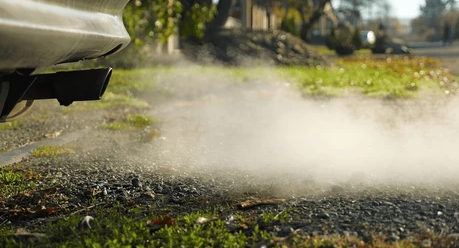
Another big red flag is white smoke coming from the exhaust, especially after the engine warms up.
• Thick white smoke, not light steam
• Sweet smell from the exhaust
• Smoke that doesn’t go away after a few minutes
That white smoke is usually coolant burning inside the engine, which is never supposed to happen.
You might also notice milky or creamy oil when checking the dipstick or under the oil cap.
• Oil looks like chocolate milk
• Foamy residue under the oil cap
• Oil level rising for no clear reason
This means coolant and oil are mixing. Once that starts, engine damage accelerates fast.
Another sign people often miss is loss of power or rough running.
• Engine feels weak
• Misfiring or shaking
• Hard starts, especially when warm
When the gasket fails, compression can leak between cylinders or into coolant passages, and the engine just can’t perform properly.
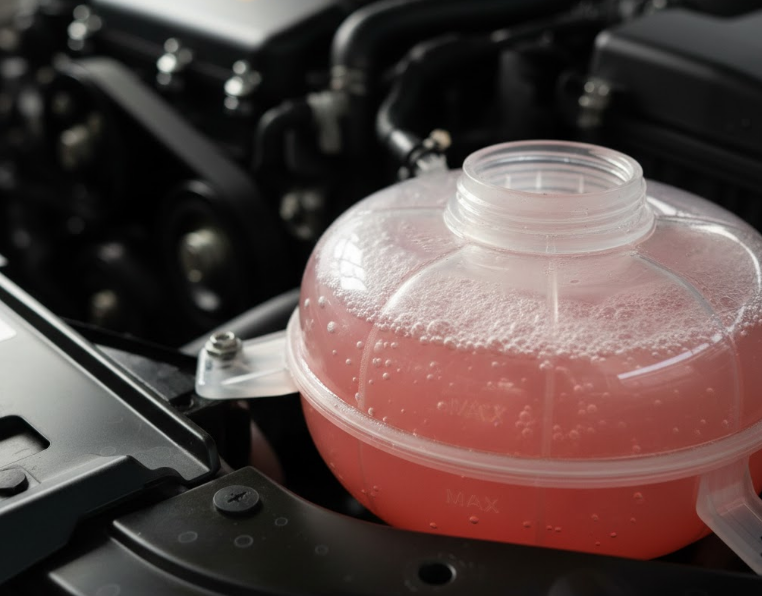
A more subtle but dangerous symptom is bubbles in the radiator or coolant reservoir.
• Coolant bubbling while engine is running
• Reservoir overflowing without overheating
• Strong exhaust smell near coolant tank
This means combustion gases are leaking into the cooling system.
You may also notice constant coolant loss with no visible leaks.
• No puddles under the car
• Radiator and hoses look fine
• Coolant keeps disappearing
When coolant is being burned inside the engine, it doesn’t leave a trail — it just vanishes.
In some cases, the car may overheat, cool down, then overheat again. This on-and-off behavior confuses people, but it’s classic head gasket trouble.
Here’s an important truth people don’t like hearing:
Driving with a blown head gasket almost always makes things worse. What starts as a repair can turn into a full engine replacement if ignored.
That said, not every symptom automatically means the gasket is gone. Overheating, white smoke, or coolant loss can sometimes come from other issues. The danger is assuming it’s “nothing” without checking.
The smartest move if you notice more than one of these signs is to stop guessing and get the car properly inspected. A compression test, leak-down test, or coolant pressure test can confirm it before real damage sets in.