
Floor mats might seem like a boring topic, but hear me out—good mats can literally save your car’s resale value. I learned this after selling my previous car with trashed carpet because I’d been using cheap mats that let everything through. The detailer quoted me $400 to fix the staining, which I just ate as a loss on the sale price.
The Main Types You Need to Know
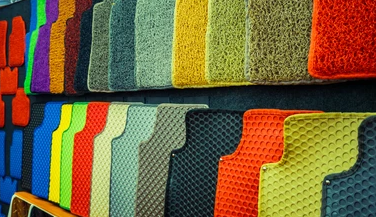
All-Weather Rubber Mats are the workhorses. They handle snow, mud, spilled coffee, and whatever else life throws at your floorboards. Brands like WeatherTech and Husky Liners dominate this category, and honestly, they’re worth every penny. These mats have deep channels that trap liquid and debris, and you can just hose them off when they get disgusting.
Carpet Mats look cleaner and feel more premium under your feet. They’re what most cars come with from the factory, but aftermarket options from Lloyd Mats or Covercraft offer better quality and custom fitting. The downside? They stain easily and don’t handle moisture well at all.
Heavy-Duty Rubber Mats sit somewhere in between. Think of brands like Goodyear or Michelin making floor mats. They’re thicker than all-weather mats, more durable, and usually cheaper than premium options. They work great for trucks and work vehicles where you need serious protection without breaking the bank.
Top Picks That Actually Deliver
WeatherTech DigitalFit mats are the gold standard if you don’t mind spending $150-$250 for a full set. They’re laser-measured for your specific vehicle, so they fit perfectly without sliding around. The raised edges contain spills really well, and they’ve held up flawlessly in my current car for three years through harsh winters.
Husky Liners X-Act Contour offer similar quality for about 20-30% less money. I’ve recommended these to friends who wanted WeatherTech performance without the premium price tag, and nobody’s complained yet. They’re slightly less rigid than WeatherTech but still fit great and do the job.
3D MAXpider Kagu mats look way better than typical rubber mats. They have this textured carbon fiber pattern that actually looks decent in nicer vehicles. They cost about the same as WeatherTech but prioritize appearance alongside function. My brother has these in his Lexus and swears by them.
OEM Factory Mats from your car’s manufacturer deserve mention too. They’re guaranteed to fit perfectly and match your interior, though they usually cost more than aftermarket options and might not offer the same level of protection.
What Actually Matters When Choosing
Fit is everything. Universal mats are garbage—they slide around, bunch up under your pedals, and leave gaps where dirt accumulates. Always get custom-fit mats designed specifically for your vehicle’s year, make, and model. The extra $50-$100 is completely worth it.
Raised edges and lips determine how well mats contain spills. Look for edges at least half an inch tall, ideally three-quarters of an inch or more. I once spilled an entire large soda in my car, and the WeatherTech mats contained it completely. With cheap mats, that would’ve soaked straight into the carpet.
Material thickness affects durability. Thin rubber mats wear through quickly and tear easily. Premium mats use thicker, more resilient materials that last for years. Check product specs—anything under 3mm thickness is probably too thin for long-term use.
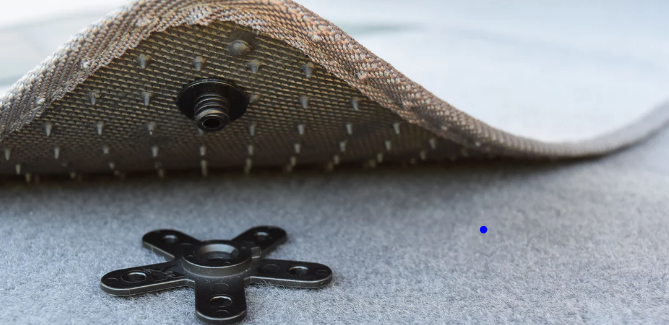
Retention systems keep mats from sliding. The best mats have multiple anchor points that clip into your car’s factory retention hooks. Some cheaper mats skip this entirely, which creates a legitimate safety hazard if the mat slides under your brake pedal.
Seasonal Strategies That Work
Here’s what works for me: I keep two sets of mats and swap them seasonally. Heavy-duty rubber mats go in from November through March to handle salt, snow, and slush. Then I switch to nicer carpet mats for spring and summer when things are cleaner.
This approach extends the life of both sets significantly. The carpet mats stay looking new because they’re not getting destroyed by winter conditions, and the rubber mats get to fully dry out during summer storage instead of developing mildew.
If you can’t swing two sets, just go with quality all-weather mats year-round. They work fine in every season, even if they don’t look as upscale as carpet.
Maintenance Makes Them Last
Rubber mats need occasional cleaning with soap and water—that’s it. Pull them out, spray them down, scrub any stubborn spots, and let them dry completely before reinstalling. Do this monthly if you’re dealing with winter conditions.
Carpet mats require more care. Vacuum them weekly and treat stains immediately with upholstery cleaner. Consider Scotchgard or similar fabric protectors to help them repel spills better.
Skip These Common Mistakes
Don’t stack mats on top of each other thinking you’re getting extra protection. This creates bunching and interferes with pedal operation. Don’t use mats without proper retention clips—they will slide around eventually. Don’t cheap out on universal-fit mats from discount stores—they’re genuinely not worth even $20.
The Real Bottom Line
If you’re serious about protecting your car’s interior, spend $150-$200 on quality custom-fit all-weather mats from WeatherTech, Husky, or 3D MAXpider. They’ll last the entire time you own the vehicle and potentially save you hundreds in cleaning costs or resale value loss.
For trucks, work vehicles, or anything that sees serious abuse, you really can’t go wrong with heavy-duty rubber options. And if appearance matters more than maximum protection, the 3D MAXpider mats offer the best compromise between looking good and performing well.
Whatever you choose, just make sure it fits your specific vehicle properly. That single factor matters more than brand name or price when it comes to actually protecting your floorboards.