
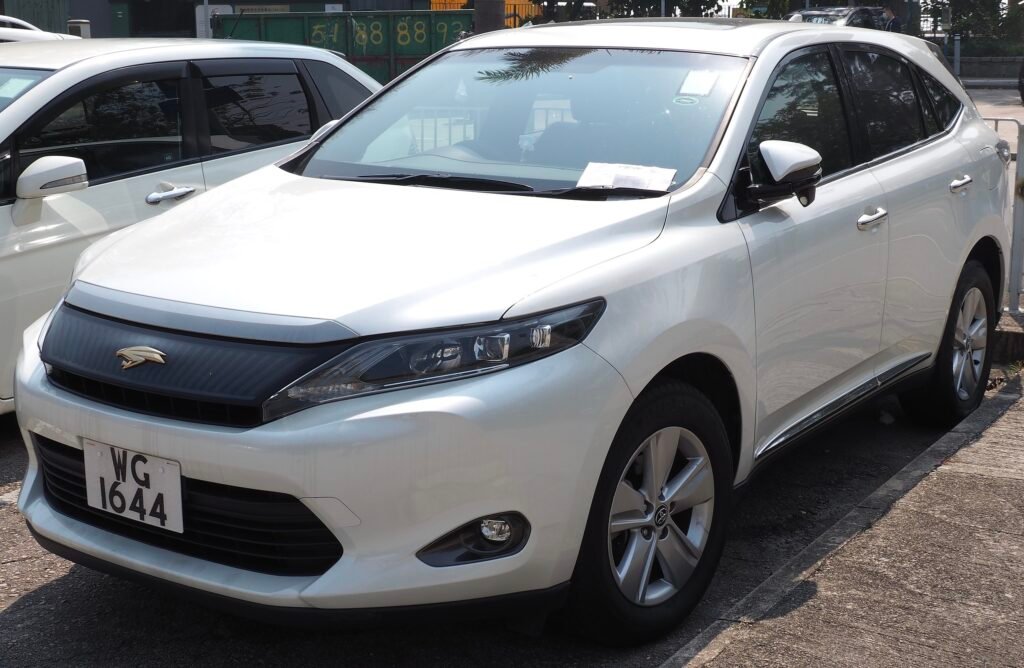
The 2014 Toyota Harrier sits in a weird spot. It looks expensive, feels expensive, and often gets priced like a luxury SUV in the used market — but under the hood it isn’t built to thrill, it’s built to glide through traffic without irritating you. If you’re buying this as a daily driver, the question isn’t “Is it good?” The question is: Is it good for your actual life?
Let’s break it down with brutal clarity and real insight.
What the Harrier Really Is
The Toyota Harrier is a comfort-first, style-heavy crossover SUV originally made for Japan, but exported worldwide through grey markets because people wanted Lexus vibes at Toyota cost.
It is not:
- An off-road SUV
- A sports crossover
- A feature-packed modern tech car
It is:
- A smooth commuter
- A quiet highway cruiser
- A car you buy for comfort, reliability, and looks
Most people mistake it for something it’s not. That’s how disappointment begins.
Engine Options & Real-World Performance
2.0L Petrol (3ZR-FAE)
- 151 PS, 193 Nm
- Super CVT-i transmission
- 2WD or AWD
- ~15–16 km/L mixed driving
- Acceleration is “adequate,” meaning slow if you’re impatient
- CVT keeps things smooth but loud when you floor it
For daily use, this engine makes sense if you want:
- Cheaper upfront price
- Simpler servicing
- Good city fuel economy
But it will punish you on:
- Quick highway overtakes
- High-speed confidence if pushed hard
- Aggressive driving (CVT groans like it hates you — because it does)
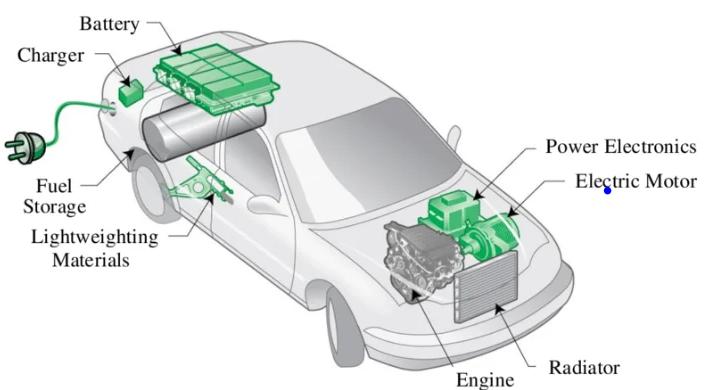
2.5L Hybrid (2AR-FXE + electric motor)
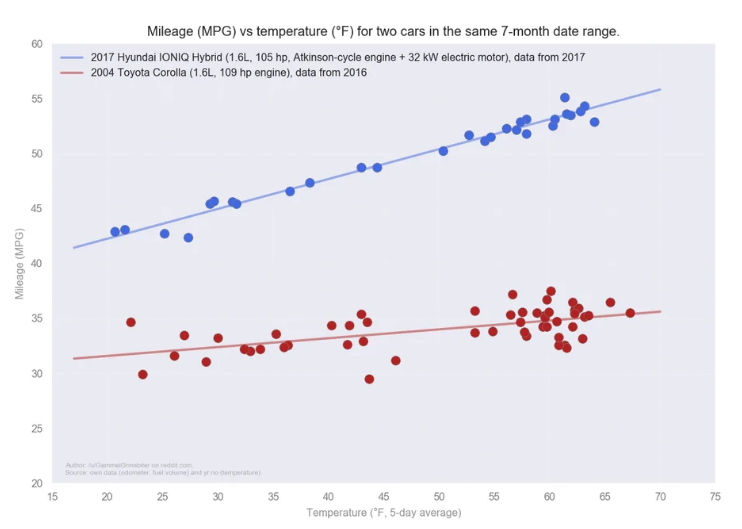
- 196 PS combined
- E-Four AWD option available
- ~20–22+ km/L in cities
- 0–100 km/h in ~8.6 seconds
- Feels faster than the petrol because torque is instant
- Much quieter, much more refined
For daily traffic like Dhaka, the hybrid is the real champion. You won’t feel the power gap as much, and fuel savings stack faster.
Interior & Comfort — The Real Reason People Buy This Car
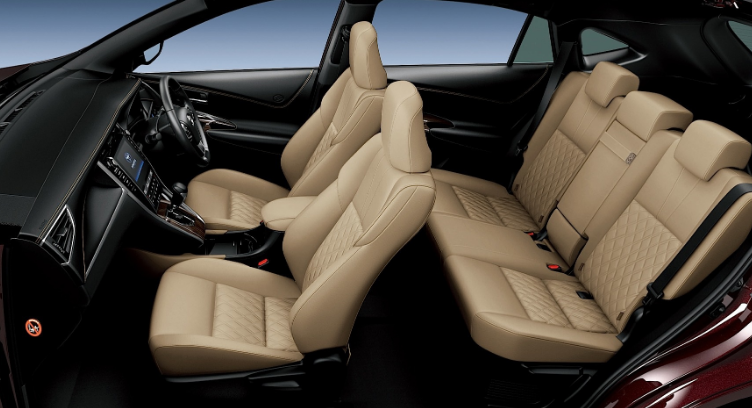
The Harrier 2014 has one of the best cabins Toyota has ever built outside of Lexus.
What you get:
- Leather seats on most trims
- Soft-touch dash and door panels
- Dual-zone climate control
- Good legroom front and rear
- Large boot for groceries and luggage
- Impressive NVH insulation – meaning traffic and road noise don’t live inside your skull
What you don’t get (or get poorly):
- Amazing speakers on base units
- Fingerprint-proof surfaces
- Rear AC that blasts like the front
- Fast infotainment response
- Modern UI experience
This cabin is made for comfort, not cleanliness. If you hate dust, prints, and smudges, you’ll fight the interior every day.
Daily Driving Experience
In the City
- EV mode + regen braking makes it efficient in traffic
- Light steering helps maneuvering
- Good visibility and height
- Suspension absorbs rough roads well
On the Highway
- Hybrid cruises effortlessly
- Petrol needs more effort to overtake
- CVT keeps RPM stable but can drone at higher loads
- Feels more like a luxury cruiser than a highway bully
In Weather
- Bangladesh heat means you must rely on cooling system health
- Hybrids don’t love extreme cold, but that’s not your daily climate concern
- Rain stability is decent thanks to low center of gravity
Maintenance Truth Most Used Buyers Ignore
EVs have less maintenance than petrol cars.
Hybrids have more maintenance than petrol cars.
But a well-maintained Toyota hybrid is still cheaper long-term than a poorly-maintained petrol car.
Harrier 2014 still needs:
| Maintenance Item | Frequency | Note |
|---|---|---|
| Engine Oil (petrol/hybrid) | 8,000–10,000 km | Use full synthetic 0W-20 or 5W-30 |
| 12V Battery | 3–4 years | Yes, even hybrids and EVs have this |
| Hybrid Battery Cooling | 40k+ km checks | Blocked vents = early battery death |
| Coolant Circuits | 4–5 years | Do NOT mix coolant types |
| Tire Rotation | 6k–10k km | Heavy car = faster tire wear |
| Suspension Checks | 20k–30k km | Daily potholes accelerate wear |
| Software Updates | When available | Improves calibration and efficiency |
Known Issues With Age
- CVT feels slow or noisy if fluid wasn’t changed
- Infotainment glitches appear on neglected units
- Suspension bushings wear earlier than expected
- Hybrid battery efficiency drops if cooling system is clogged
- Orange HV cables must never be touched by unqualified mechanics
If you buy used without inspection, you’re gambling. And you’re 100% the one paying for that mistake.
Trim Levels & Features Snapshot
Common trims include:
- Elegance
- Premium
- Grand
Features you may find (trim dependent):
- Reverse camera
- Keyless entry + push start
- Panoramic moonroof
- Parking sensors
- Touchscreen display
- Power seats
- Energy flow monitor on hybrid models
But again: don’t buy this car for screens. Buy it for comfort and efficiency.
Verdict: Should You Buy It for Daily Use in 2025?
Buy it if:
- You want comfort over speed
- You want Toyota reliability
- You commute daily and want fuel savings
- You want premium looks without Lexus prices
- You’ll maintain it properly
Don’t buy it if:
- You expect sports performance from the 2.0 petrol
- You want modern tech dominance
- You think maintenance is optional
- You want something rugged and off-road capable
- You’re buying used without inspection
Final truth:
A Harrier 2014 that was maintained well is a 9/10 daily car.
A Harrier 2014 that was abused is a 3/10 financial nightmare.
Overall Rating for Daily Use
| Category | Score |
|---|---|
| Comfort & Cabin Quietness | ★★★★☆ |
| City Fuel Economy (Hybrid) | ★★★★☆ |
| Highway Efficiency | ★★★★☆ |
| Performance (Hybrid) | ★★★★ |
| Performance (Petrol) | ★★★ |
| Maintenance Cost | ★★★★☆ (if maintained) |
| Tech Features | ★★★ |
| Daily Practicality | ★★★★☆ |
| Long-Term Reliability | ★★★★☆ |