

By Engine Dynamo
Want your tires to last longer? Then stop treating them like background noise. Tires decide how your car grips, stops, turns, and survives bad roads. Ignore them and you pay twice: once in money, once in safety. Maintain them properly and you stretch their life far beyond what most drivers ever get.
Your tires are the only part of the car that actually touches the road. Four small patches of rubber carry the entire weight of your vehicle, your passengers, and your speed. Yet most people only think about tires when one goes flat. That’s lazy ownership, and it’s expensive.
This guide breaks down exactly how to make your tires last longer using practical, professional, no-nonsense habits you can actually follow.
Why tire care actually matters
• Tires control braking distance, especially in rain
• They affect steering accuracy and stability
• Worn tires increase fuel consumption
• Poor tire condition raises blowout risk
• Uneven wear forces early replacement
Neglect doesn’t save time. It just delays the cost until it’s bigger and more dangerous.
Check tire pressure regularly
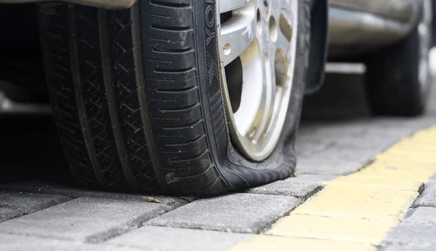
Incorrect pressure is the fastest way to kill a tire.
Underinflated tires
• Wear out on the edges
• Build excess heat
• Increase rolling resistance
• Reduce fuel economy
Overinflated tires
• Wear in the center
• Reduce road grip
• Make the ride harsh
• Increase puncture risk
What you should actually do
• Check pressure every two weeks
• Always check when tires are cold
• Use a digital gauge for accuracy
• Follow the PSI listed on the door jamb, not the tire sidewall
Correct pressure alone can extend tire life noticeably and improve mileage by several percent.
Rotate tires every 5,000–8,000 km
Front tires work harder. They steer, brake, and often carry engine weight. If you don’t rotate, the front tires die early while the rears still look fine.
What rotation does
• Distributes wear evenly
• Maintains balanced traction
• Extends total tire lifespan
Basic rotation rules
• Rotate every 5,000–8,000 km
• Do it with every oil change if possible
• Follow directional arrows on the tire
• Use front-to-back or cross patterns as required
Skipping rotation is throwing away usable rubber.
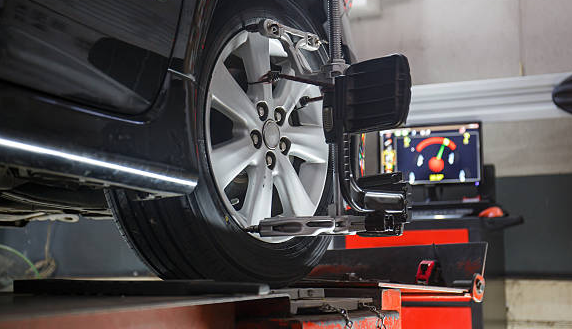
Maintain proper wheel alignment
Misalignment silently destroys tires.
Signs your alignment is off
• Car pulls to one side
• Steering wheel isn’t centered
• Uneven or feathered tread wear
• Steering wheel vibration
Best practice
• Check alignment every 10,000–12,000 km
• Always check after hitting potholes or curbs
• Do alignment and balancing together
Good alignment means straight tracking, even wear, and better fuel economy.
Drive smoothly and stop abusing your tires
Your driving style matters more than you think.
What kills tires fast
• Hard acceleration
• Sudden braking
• Aggressive cornering
• High-speed pothole hits
What extends tire life
• Gradual acceleration
• Smooth braking
• Controlled cornering
• Predictive driving
If you drive like every green light is a race, don’t complain about short tire life.
Keep tires clean
Dirt isn’t harmless. Brake dust, oil, and road chemicals slowly break down rubber.
Proper cleaning habits
• Wash tires weekly or biweekly
• Use a soft brush and proper tire cleaner
• Rinse thoroughly
• Dry with a microfiber towel
What to avoid
• Petroleum-based cleaners
• Harsh degreasers
• Cheap shiny dressings
Finish with a UV protectant to prevent sidewall cracking and fading.
Inspect tread depth and wear patterns
Tread is not cosmetic. It’s grip.
How to check tread
• Use a tread depth gauge
• Or use a coin test
• Minimum legal depth is 1.6 mm
Replace earlier if you see
• Uneven wear
• Bald spots
• Cracks or cuts
• Exposed cords
Uneven wear usually means skipped rotation or bad alignment. Fix the cause, not just the tire.
Avoid overloading your vehicle
Your car has a load limit for a reason.
Overloading causes
• Excess heat buildup
• Sidewall deformation
• Internal tire damage
• Sudden failure at speed
What to do
• Check load rating on the door sticker
• Don’t exceed vehicle capacity
• Distribute weight evenly
Tires aren’t designed to be abused by constant overload.
Store tires correctly when not in use
Seasonal tire users often ruin good tires in storage.
Proper storage steps
• Clean and dry tires before storing
• Store in a cool, dark, dry place
• Keep away from sunlight and chemicals
• Use tire bags or covers
Storage position
• Short-term: stack flat
• Long-term: store upright
• Inflate slightly before storage
Bad storage cracks rubber even if tread looks new.
Replace valve caps and check for leaks
Small parts cause slow problems.
What to check
• Valve caps present and tight
• No cracks in valve stems
• No air leaks
Simple test
• Apply soapy water to the valve
• Look for bubbles
Replace valves when installing new tires. Cheap parts prevent expensive air loss.
Know when tires are done
Tires age even if they look fine.
General lifespan
• Replace after 5–6 years
• Rubber hardens with age
• Grip decreases even with good tread
Immediate replacement signs
• Sidewall bulges
• Deep cracks
• Constant vibration
• Exposed steel cords
Always replace tires in pairs or full sets to keep handling balanced.
Choose the right tire for your driving
Wrong tire choice equals wasted money.
All-season tires
• Balanced performance
• Long lifespan
• Best for most drivers
Summer tires
• Excellent dry grip
• Shorter lifespan
• Poor in cold weather
Winter tires
• Soft compound
• Superior cold traction
• Wear fast in heat
Performance tires
• High grip
• Fast wear
• Not designed for longevity
Match the tire to your environment, not your ego.
Common mistakes that kill tire life
• Ignoring pressure for months
• Skipping rotation
• Mixing tire types
• Overloading the car
• Using harsh cleaners
• Driving aggressively on bad roads
These habits quietly drain your wallet.
Care now, save later
Tire longevity isn’t about tricks. It’s about consistency.
Maintain pressure. Rotate on time. Align when needed. Drive like an adult. Store properly. Inspect regularly.
Do this and you can extend tire life by 25–40 percent while improving safety, comfort, and fuel efficiency.
That’s not marketing. That’s physics.
Explore more real-world car care guides on Engine Dynamo and stop learning lessons the expensive way.
By Engine Dynamo
Want your tires to last longer? Follow these proven expert tips to extend tire life, improve performance, and save money — while keeping your car safer and smoother on the road.
Your car’s tires are the only point of contact between your vehicle and the road — yet they’re often the most neglected part of maintenance. Replacing tires can be expensive, but the good news is that a few smart habits can extend their lifespan significantly.
Proper tire care not only saves money but also improves fuel efficiency, handling, and safety. Whether you drive daily through city traffic or cruise highways on weekends, following these maintenance tips will help your tires last longer — and your drives stay smoother.
In this Engine Dynamo guide, you’ll learn how to make your car tires last longer, with professional yet easy-to-follow advice for every driver.
1. Why Tire Care Matters
Tires play a crucial role in your car’s performance. They affect grip, braking distance, fuel economy, and comfort. Neglecting them can lead to:
- Uneven wear and premature replacement.
- Poor traction in wet or slippery conditions.
- Reduced fuel economy.
- Higher risk of blowouts.
A little care goes a long way. Proper tire maintenance ensures a safer, smoother, and more efficient ride — while saving you thousands in the long run.
2. Check Tire Pressure Regularly
Tire pressure directly affects tire life and safety. Both underinflation and overinflation can cause problems:
- Underinflated tires wear on the edges, increase rolling resistance, and reduce mileage.
- Overinflated tires wear in the center and reduce traction.
Recommended Practice:
- Check tire pressure every two weeks or before long trips.
- Always measure when the tires are cold (before driving).
- Use a digital tire gauge or a portable air inflator for accuracy.
- Refer to your car’s door jamb sticker or owner’s manual for the correct PSI.
Maintaining correct pressure not only extends tire life but also improves fuel efficiency by up to 3–5%.
3. Rotate Tires Every 5,000–8,000 km
Tire rotation ensures even wear across all four tires. Because front tires handle steering, braking, and engine weight, they wear faster than the rear ones.
Rotation Tips:
- Rotate tires every 5,000–8,000 km or at every oil change.
- Common rotation patterns:
- Front-to-back for directional tires.
- Cross-rotation (front to opposite rear) for standard tires.
- Front-to-back for directional tires.
- Always check the tread direction arrows before swapping.
Regular rotation helps maintain balanced grip and extends the overall lifespan of all tires.
4. Maintain Proper Wheel Alignment
Misaligned wheels cause uneven tire wear and can affect steering stability. If your car pulls to one side, the steering wheel vibrates, or the tread wears unevenly, your alignment needs checking.
Expert Advice:
- Check alignment every 10,000–12,000 km, or after hitting potholes or curbs.
- Get both alignment and balancing done together for the best results.
Proper alignment ensures even tread wear, better handling, and improved mileage.
5. Drive Smoothly and Avoid Sudden Braking
Your driving style has a major impact on tire life.
- Hard acceleration, sharp cornering, and sudden braking cause heat buildup and rapid tread wear.
- Smooth, gradual movements keep tires cooler and wear evenly.
Pro Tip:
Drive as if there’s an egg between your foot and the pedal — steady and controlled. Your tires (and fuel tank) will thank you.
6. Keep Tires Clean
Clean tires not only look better but also last longer.
- Wash off mud, brake dust, and oil — these substances degrade the rubber over time.
- Use a dedicated tire cleaner and soft brush weekly.
- Rinse thoroughly with water and dry with a microfiber towel.
- Avoid harsh, petroleum-based products — they dry and crack the rubber.
Finish with a UV-protectant tire dressing to protect sidewalls from sun damage and fading.
7. Inspect Tread Depth and Wear Patterns
Tire tread is what keeps your car gripped to the road — especially in rain.
How to Check:
- Use a tread depth gauge or the coin test.
- Insert a coin into the tread grooves. If you see most of the coin’s head, the tread is too low.
- Insert a coin into the tread grooves. If you see most of the coin’s head, the tread is too low.
- Minimum safe tread depth: 1.6 mm (2/32 inch).
- Replace tires earlier if you notice uneven wear, bald spots, or cracks.
Uneven wear often means you need rotation or alignment correction.
8. Avoid Overloading Your Vehicle
Every vehicle has a maximum load capacity — exceeding it can destroy tires quickly.
Overloading:
- Increases heat buildup.
- Deforms sidewalls.
- Causes internal tire damage.
Check your vehicle’s load rating (found on the door frame sticker) before carrying heavy items. Spread weight evenly for stability and longer tire life.
9. Store Tires Properly When Not in Use
If you switch between summer and winter tires, storing them correctly is crucial.
Storage Tips:
- Clean the tires thoroughly and let them dry.
- Store in a cool, dry, and dark place — away from sunlight or chemicals.
- Keep them in plastic storage bags or tire totes.
- Store tires flat (stacked) for short-term, or upright for long-term storage.
- Inflate slightly before storage to maintain shape.
Proper storage prevents cracking and deformation.
10. Replace Valve Caps and Check for Leaks
Valve caps keep dust and moisture out of the valve stem — missing caps can cause slow air loss.
Maintenance Tips:
- Inspect valves and caps every time you check tire pressure.
- Use soapy water around the valve to check for leaks.
- Replace old valves when installing new tires.
These tiny components often go unnoticed but play a big role in maintaining pressure.
11. Know When to Replace Tires
Even with perfect care, all tires have a lifespan.
- Replace after 5–6 years, regardless of tread condition — rubber hardens and loses grip with age.
- Watch for warning signs like:
- Cracks or bulges on the sidewall.
- Vibration while driving.
- Exposed steel cords.
- Cracks or bulges on the sidewall.
- Replace tires in pairs or full sets for balanced handling.
Safety first — old tires may look fine but can fail suddenly.
12. Bonus: Choose the Right Tire for Your Needs
Your tire type affects wear and performance.
| Tire Type | Best For | Notes |
| All-Season | Year-round driving | Balanced performance, long life |
| Summer Tires | Hot climates, dry roads | Great grip, shorter lifespan |
| Winter Tires | Cold or snowy conditions | Soft compound, better traction in cold |
| Performance Tires | Sports cars | Higher grip, faster wear |
Using the correct tire type ensures maximum efficiency and safety in your driving conditions.
13. Common Mistakes That Reduce Tire Life
Avoid these frequent errors:
- Ignoring tire pressure for months.
- Skipping rotation and alignment.
- Using different tire types on the same car.
- Washing with harsh chemicals.
- Ignoring load limits.
Good habits take little effort but make a huge difference in tire health.
Care Now, Save Later
Your car’s tires are your foundation for safety, comfort, and performance.
By maintaining correct pressure, rotating regularly, and driving gently, you can extend tire life by 25–40% — saving money and improving safety.
It’s not complicated — it’s consistency that counts. Make these tips part of your routine, and your tires will thank you with longer life and smoother rides.
Explore more car maintenance and performance guides on EngineDynamo.com — your trusted companion for smart car care.