
1. CATL (China) — The undisputed heavyweight
If we’re talking pure battery R&D + production dominance, CATL is at the top.
Why they lead:
- World’s largest EV battery supplier
- Major advances in LFP chemistry (longer life, safer, cheaper)
- Pioneering sodium-ion batteries (huge deal for low-cost EVs)
- Deep integration with Tesla, BMW, Ford, VW
Real edge:
They innovate and manufacture at insane scale. Many labs can invent — very few can industrialize.

2. Tesla (USA) — Systems-level innovation
Tesla isn’t just a battery company — they rethink the entire battery system.
Key research areas:
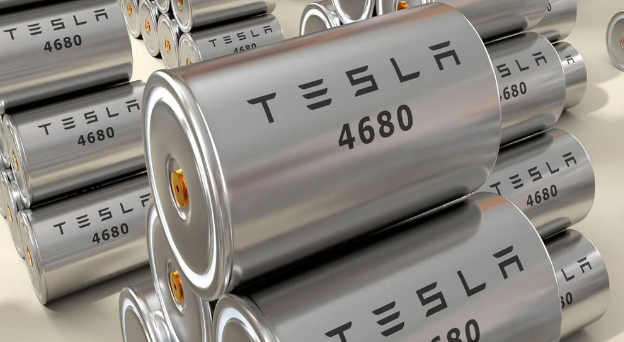
- 4680 battery cells (structural batteries)
- Manufacturing efficiency (dry electrode process)
- Vertical integration (cell → pack → vehicle)
Important truth:
Tesla’s chemistry isn’t always revolutionary, but their engineering + manufacturing optimization is world-class.
3. LG Energy Solution (South Korea) — Chemistry specialists
LG leads in advanced lithium-ion chemistry, especially for long-range EVs.
Strengths:
- High-nickel NMC & NCMA cathodes
- Strong safety research (after early recalls, they doubled down)
- Massive partnerships with GM, Hyundai, Honda, Tesla
They’re less flashy — but extremely respected in the industry.
4. Panasonic (Japan) — Precision & reliability
Panasonic is the “quiet perfectionist.”
Why they matter:
- Long-term Tesla partner
- Leaders in energy density and cell longevity
- Strong R&D discipline (fewer failures, slower but safer progress)
They don’t rush tech to market — which OEMs trust.
5. BYD (China) — Battery + vehicle integration
BYD is unique: they build cars and batteries together.
Signature innovation:
- Blade Battery (LFP-based, ultra-safe, nail-penetration resistant)
- Focus on safety, longevity, and cost — not extreme range
This is why BYD EVs scale so fast globally.
6. QuantumScape (USA) — Solid-state moonshot
This is pure research leadership, not mass production yet.
What they’re chasing:
- Solid-state lithium-metal batteries
- Higher energy density
- Faster charging
- Lower fire risk
Reality check:
Still pre-commercial. Incredible science — but timelines remain uncertain.
7. Toyota (Japan) — Patents king
Toyota holds more battery patents than anyone.
Focus areas:
- Solid-state batteries
- Long lifecycle chemistry
- Hybrid + EV crossover tech
Toyota moves slowly, but when they commit, it’s usually durable.
Quick Comparison Table
| Company | Core Strength | Research Focus |
|---|---|---|
| CATL | Scale + chemistry | LFP, sodium-ion |
| Tesla | Manufacturing systems | 4680, structural packs |
| LG Energy | Advanced chemistry | High-nickel Li-ion |
| Panasonic | Reliability | Energy density, longevity |
| BYD | Safety + integration | Blade Battery |
| QuantumScape | Breakthrough R&D | Solid-state |
| Toyota | Patents + durability | Solid-state, hybrids |
The honest takeaway
There’s no single “best” EV battery company — leadership depends on what you value:
- Lowest cost & safety: CATL, BYD
- Performance & system efficiency: Tesla
- Chemistry excellence: LG, Panasonic
- Future breakthroughs: QuantumScape, Toyota
The next big shift won’t come from one lab — it’ll come from whoever can scale next-gen batteries profitably.