
Steps to Fix a Car That Won’t Start: A Practical Troubleshooting Guide
A car that won’t start is one of the most frustrating problems any driver can face. One moment everything feels normal, the next you’re stuck turning a key or pressing a button with nothing happening. The mistake most people make is guessing — and guessing leads to wasted money, wrong fixes, and unnecessary towing.
The right approach is simple: observe first, diagnose second, act last.
This guide walks you through the exact steps to figure out why your car won’t start, what you can fix yourself, and when it’s time to stop and call for professional help.
Step 1: Identify What “Won’t Start” Actually Means
Not all no-start situations are the same. How your car behaves tells you everything.
Common No-Start Scenarios
- No sound at all → Likely battery, terminals, or ignition issue
- Clicking sound → Weak battery or starter problem
- Cranks but won’t fire → Fuel, spark, or sensor issue
- Starts then dies immediately → Immobilizer, fuel delivery, or air issue
Before touching anything, pay attention to:
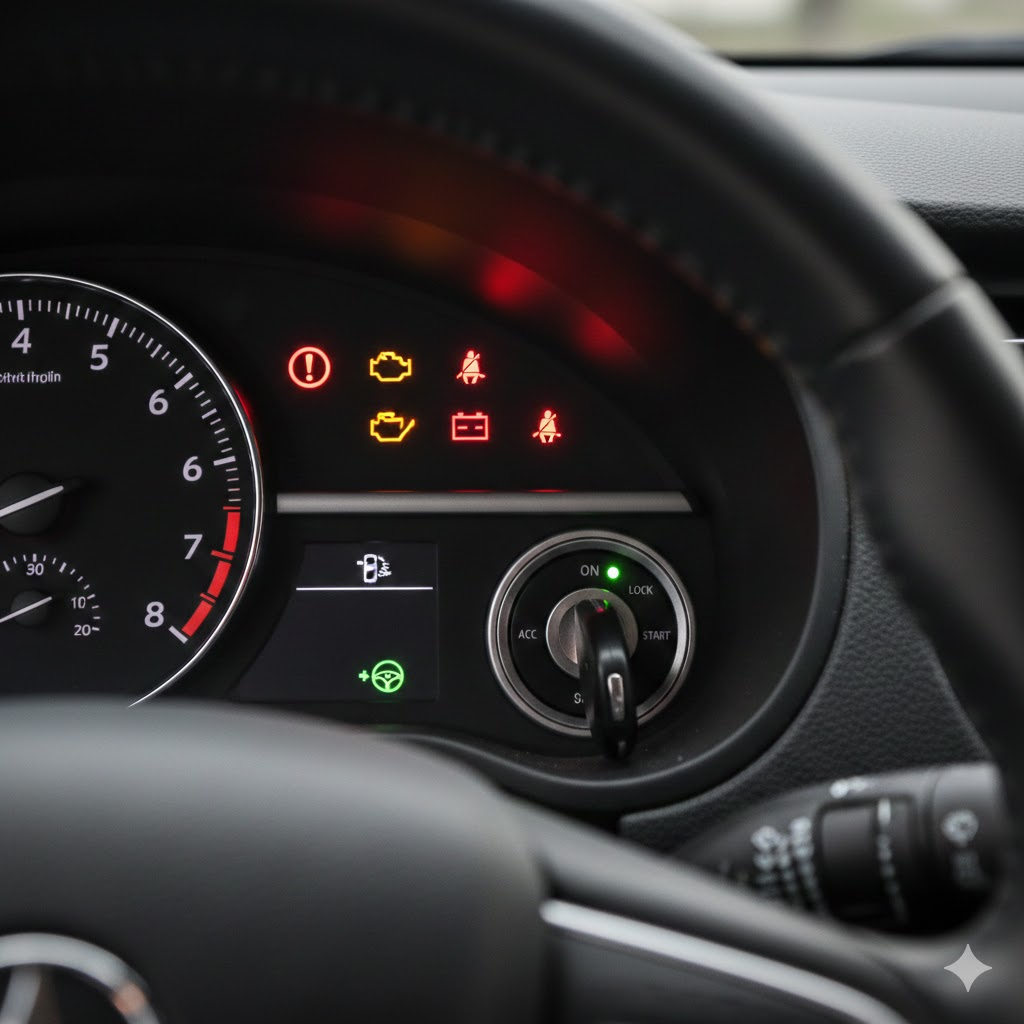
- Dashboard lights
- Engine cranking speed
- Unusual smells (fuel, burning, electrical)
This observation alone eliminates half the possibilities.
Step 2: Check the Battery (The #1 Culprit)
If your car does nothing or just clicks, assume the battery is guilty until proven innocent.
What to Check
- Headlights: dim or dead = weak battery
- Interior lights: flickering = low voltage
- Dashboard lights disappearing when cranking = battery failure
Pop the hood and inspect:
- Corroded terminals (white/green buildup)
- Loose clamps
- Broken cables
Quick Fixes
- Tighten loose terminals
- Clean corrosion with baking soda + water
- Jump-start the car
If the car starts after a jump but dies later, the battery or alternator is failing. A jump-start is not a repair — it’s a temporary lie.
Step 3: Listen to the Starter Motor
If the battery is fine but the engine doesn’t crank properly, listen carefully.
What the Sounds Mean
- Single loud click → Starter solenoid issue
- Rapid clicking → Weak battery voltage
- Whirring sound → Starter spinning but not engaging
Starters fail gradually. If you’ve noticed slow or hesitant starts recently, this didn’t come out of nowhere.
You can tap the starter lightly with a tool once as an emergency trick — if it suddenly works, the starter is on borrowed time.
Step 4: Check Fuel Delivery
If the engine cranks but doesn’t start, fuel is the next suspect.
Quick Fuel Checks
- Do you hear the fuel pump prime when you turn the key?
- Is the fuel gauge accurate, or are you trusting it blindly?
- Any fuel smell around the car?
Common fuel-related causes:
- Empty tank (yes, it happens)
- Failed fuel pump
- Clogged fuel filter
- Bad fuel pump relay
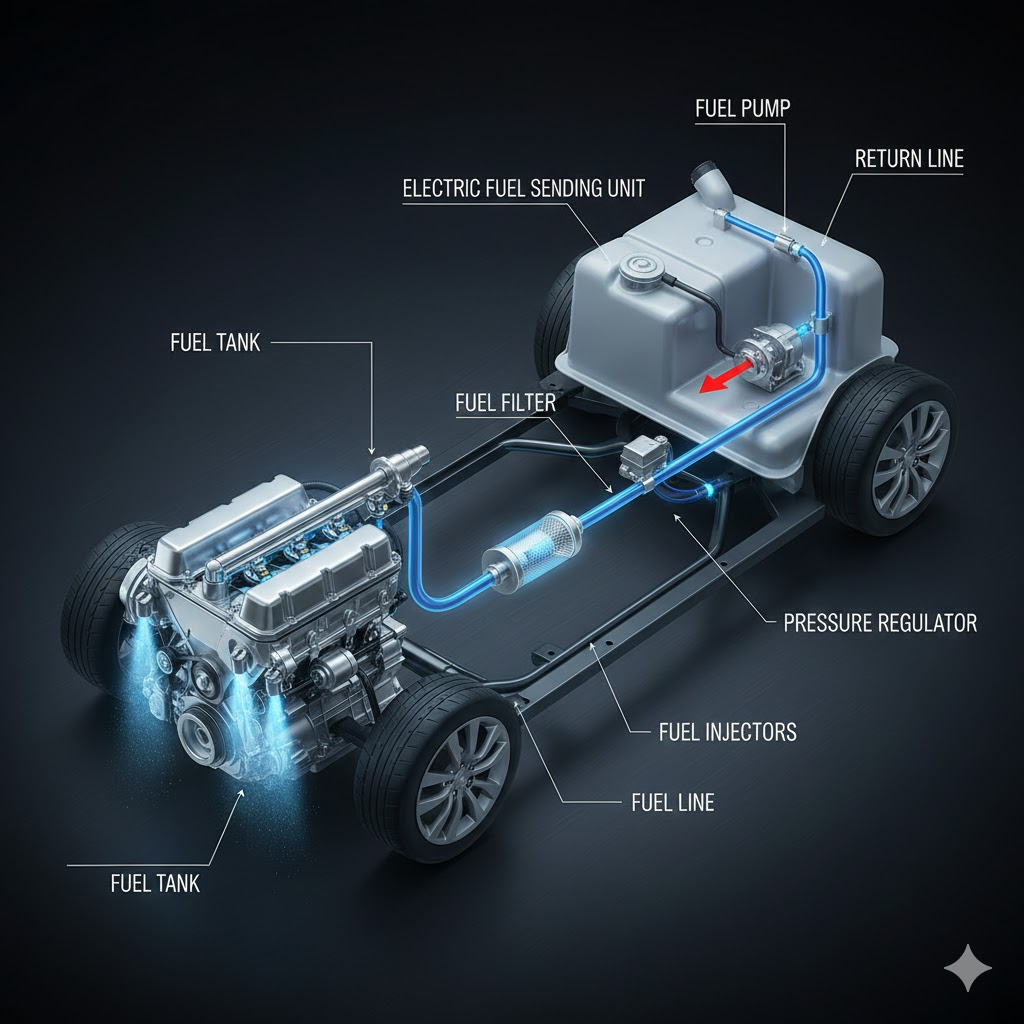
A car with spark and air but no fuel will crank forever and never start.
Step 5: Rule Out Ignition and Spark Issues
Modern cars rely heavily on electronics. One failed sensor can shut everything down.
Common Spark/Ignition Problems
- Bad ignition coil
- Faulty crankshaft or camshaft sensor
- Worn spark plugs
- Blown ignition fuse
Warning signs before failure usually include:
- Rough idle
- Misfires
- Poor fuel economy
If your check engine light was on before the car stopped starting, that was your warning. Ignoring it didn’t make the problem disappear — it just delayed it.
Step 6: Immobilizer and Key Problems (Often Overlooked)
If the car cranks and instantly dies — or doesn’t crank at all — your immobilizer may be blocking the start.
Check This First
- Try the spare key
- Look for a blinking security light
- Replace the key fob battery
Modern cars will intentionally refuse to start if they don’t recognize the key. This isn’t a mechanical failure — it’s a security lockout.
Step 7: Inspect Fuses and Relays
One blown fuse can mimic a major failure.
Check fuses related to:
- Starter
- Fuel pump
- Ignition system
- Engine control module
Relays fail quietly. Swapping a known good relay of the same type is a quick test.
[Image Placeholder: Fuse box layout and relay identification]
This step takes 5 minutes and can save hours of guessing.
Step 8: Consider Environmental Factors
Sometimes the car isn’t broken — conditions are.
Cold Weather
- Thick oil
- Weak batteries
- Reduced fuel vaporization
Hot Weather
- Vapor lock
- Overheated fuel pumps
- Sensor heat failure
Flooded engines (especially older cars) may need time with the accelerator held down while cranking.
When to Stop and Call a Professional
You should stop DIY troubleshooting if:
- The engine cranks normally but never fires
- Warning lights indicate ECU or immobilizer faults
- Fuel pressure or spark testing is required
- You smell burning wires or raw fuel
At this point, continued attempts can cause real damage.
Final Reality Check
A car that won’t start is not a mystery — it’s a logic problem.
Most no-start issues come down to:
- Battery
- Starter
- Fuel
- Spark
- Security systems
Guessing wastes time. Replacing random parts wastes money.
Follow a process, observe behavior, and act based on evidence — not panic.
If you do that, you’ll either fix the problem yourself or walk into a mechanic’s shop knowing exactly what to question. And that alone saves you from getting played.