
Should every car have a fire extinguisher? This is one of those questions people usually ask after seeing a car fire on the road or online. Nobody plans for it. Nobody thinks it’ll happen to them. And yet, it does — more often than people like to admit.
Here’s the honest answer up front: no, not every car is legally required to have one, but yes, every car would be safer if it did.
Car fires don’t start the way people imagine. It’s not usually a big explosion or dramatic flames right away. Most of the time it starts small. A fuel leak. An electrical short. An overheated component. Something you’d never notice until there’s smoke.
That’s the scary part.
Most car fires begin quietly, and by the time flames are visible, you don’t have much time to react. This is where a fire extinguisher can make a real difference — not by saving the car every time, but by stopping a small fire before it becomes uncontrollable.
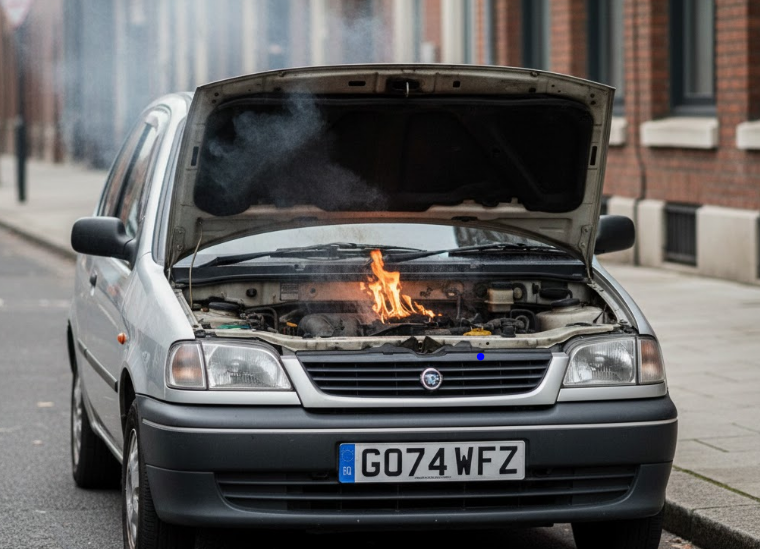
Now, let’s be realistic. A fire extinguisher in a car is not meant to fight a fully developed fire. If flames are already spreading fast, your priority is getting away, not being a hero. But in the early moments — when it’s just smoke or a small flame — having one can mean the difference between minor damage and losing the entire vehicle.
Think about common situations where fires start.
• Electrical wiring issues
• Fuel line leaks
• Overheated engines
• Battery problems (especially in newer cars)
• Accidents that damage fuel systems
None of these are rare or dramatic scenarios. They’re everyday mechanical problems that can escalate.
A lot of people assume modern cars are “too safe” to catch fire. That’s not true. Modern cars have more electronics than ever before, and while they’re safer overall, electrical faults are still a real risk. In fact, many roadside fires today come from wiring or battery issues.
So why don’t more people carry a fire extinguisher?
Honestly, it’s mostly mindset. People think:
• “It won’t happen to me”
• “I’ll just get out if something happens”
• “It’s unnecessary clutter”
But the thing is, fires don’t give warnings. And once they grow, there’s nothing you can do without the right tool.
[Image Placeholder:
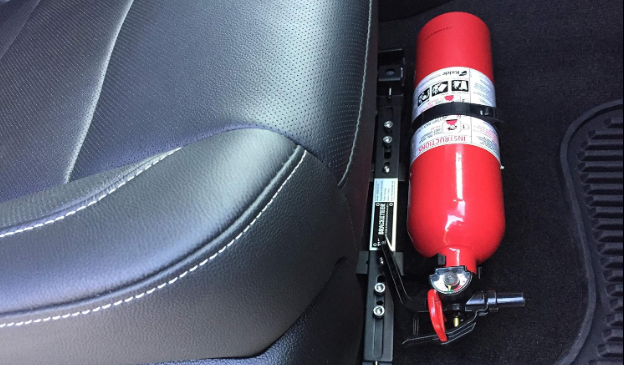
Another thing people worry about is safety — they think keeping a fire extinguisher in a car is dangerous. It isn’t, as long as it’s the right type and properly secured. Small automotive fire extinguishers are designed to handle heat and movement. The real risk is leaving it loose, not having one.
If you do decide to carry one, there are a few important points people often miss.
• Use a small ABC or BC-rated extinguisher
• Mount it securely so it doesn’t roll around
• Keep it somewhere reachable from the driver’s seat
• Make sure you actually know how to use it
A fire extinguisher you can’t reach in an emergency is basically decoration.
There’s also the “who is this really for?” question. If you drive long distances, live in hot climates, own an older car, or drive in heavy traffic, the risk is higher. If you transport family, kids, or pets, having extra safety equipment just makes sense.
Some people argue that calling emergency services is enough. But fires grow fast. What starts as smoke can become a full blaze in minutes. A fire extinguisher buys you time — sometimes just enough.
So should every car have one? Legally, no. Practically, it’s hard to argue against it. It’s small, inexpensive, and rarely needed — but when it is needed, nothing else will replace it.
The real takeaway is this: a fire extinguisher is like a seatbelt for situations you hope never happen. You don’t buy it expecting to use it. You buy it because when things go wrong, you don’t get a second chance.