
Electric vehicles (EVs) have fewer moving parts than traditional cars, but that doesn’t mean they’re maintenance-free. Batteries, electronics, regenerative braking, and thermal management systems need attention. Neglecting these areas can shorten your EV’s lifespan, reduce range, or cause expensive repairs.
This guide covers essential maintenance tips for EV owners to protect their investment and ensure peak performance.
1. Battery Care: The Heart of Your EV
The battery is the most expensive and critical component of any EV. Proper care extends its lifespan and preserves range.
Charging Best Practices
- Avoid 0–100% cycles daily — keep the battery between 20–80% for routine use
- Use Level 2 chargers when possible — faster charging generates more heat, which can degrade the battery if used frequently
- Pre-condition the cabin while plugged in — reduces battery drain from heating or cooling while driving
Temperature Management
- Park in shade or garages during hot weather
- Avoid exposing the EV to freezing conditions for extended periods
- Keep the thermal management system clean and functional
Monitoring Health
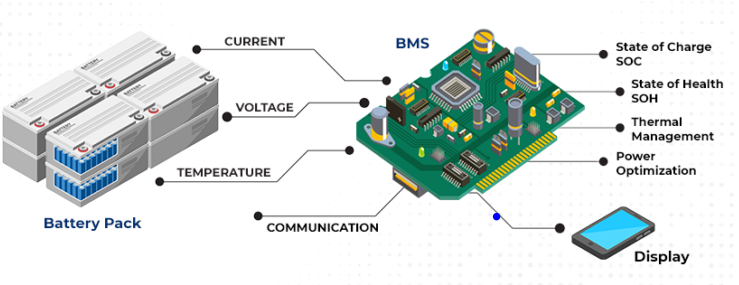
- Check the battery management system (BMS) for alerts
- Watch for reduced range or slower acceleration — early signs of battery degradation
2. Tire and Wheel Maintenance
EVs are heavier than conventional cars due to their batteries. Tires experience extra stress.
Key Tips
- Check tire pressure monthly — low pressure reduces range and increases wear
- Rotate tires every 5,000–10,000 km
- Inspect tires for uneven wear caused by heavy regenerative braking
Wheel Alignment & Balancing
- Keep wheels aligned to reduce uneven tire wear
- Properly balanced wheels maintain smooth driving and prevent suspension strain
3. Brake System: Regenerative Braking Reduces Wear, Not Eliminate It
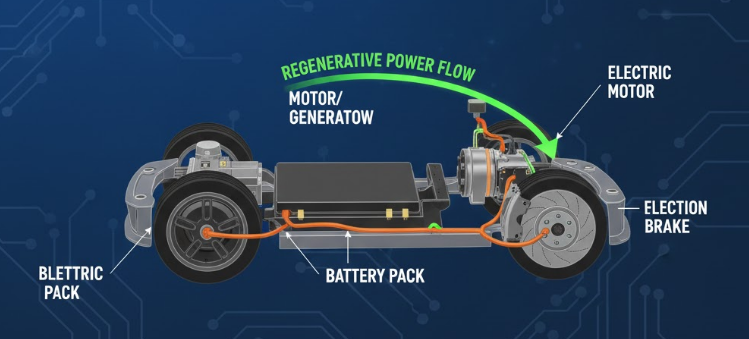
EVs rely on regenerative braking, which extends brake pad life but doesn’t replace maintenance.
Tips
- Check brake fluid every 2–3 years or as recommended
- Inspect pads and rotors periodically
- Listen for unusual noises — regenerative braking reduces wear but won’t prevent mechanical issues
4. Cooling and Thermal Systems
EVs have complex cooling circuits for the battery, inverter, and motor.
Tips
- Regularly check coolant levels and inspect for leaks
- Follow manufacturer guidelines for coolant replacement
- Keep vents and cooling channels free of debris
5. Electrical and Software Maintenance
EVs rely heavily on electronics and software to operate efficiently.
Tips
- Update vehicle software regularly — improves efficiency and adds features
- Inspect high-voltage connectors visually for damage (do not attempt repairs unless certified)
- Keep 12V auxiliary battery charged; it powers critical systems even in EVs
6. Exterior and Cabin Care
EVs require the same cosmetic maintenance as conventional cars to prevent corrosion and maintain resale value.
Tips
- Wash and wax regularly to protect paint
- Check seals around doors and windows for leaks
- Maintain wiper blades and cabin air filters
7. Scheduled Professional Checks
Even though EVs are simpler mechanically, certified maintenance is essential.
Recommended Intervals
- Battery and powertrain inspection: Every 20,000–30,000 km
- High-voltage system check: Every 50,000 km
- Brake and suspension inspection: Every 20,000 km
Technician Selection
- Choose ASE-certified or manufacturer-trained EV technicians
- Avoid shops without high-voltage safety knowledge
- Keep records of all service for warranty purposes
Final Reality Check
EV maintenance isn’t optional — it’s just different. The rules have changed:
- Fewer moving parts → less frequent mechanical maintenance
- Batteries, electronics, and software → need proactive care
- Ignoring EV-specific systems → expensive, avoidable damage
Treat your EV like a precision machine. Keep fluids topped, tires balanced, software updated, and battery cared for. This simple discipline protects performance, extends lifespan, and keeps your EV running at peak efficiency.