

Issues of Toyota hybrid transmission is a topic that confuses a lot of people because Toyota hybrids have a reputation for being bulletproof. And to be fair, compared to most hybrid systems out there, they really are. But “reliable” doesn’t mean “problem-free,” and understanding what actually goes wrong — and what doesn’t — matters if you’re owning or buying one long-term.
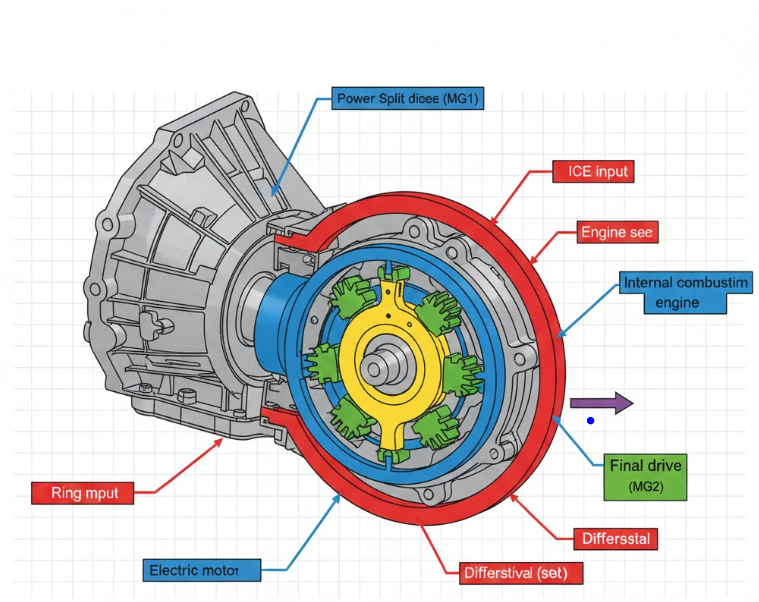
First thing that needs to be cleared up: Toyota hybrid transmissions are not normal automatic transmissions. They don’t have traditional gears, clutches, or shifting in the way people expect. Toyota uses something called an eCVT, which sounds scary, but it’s actually very different from the CVTs that caused problems in other brands.
Toyota’s hybrid transmission is mostly mechanical simplicity combined with electric motors. Fewer moving parts. Less friction. Less heat. That’s a big reason they last so long. But even with that design, issues do exist.
One of the most common complaints people notice is weird or unfamiliar driving feel, especially when they’re new to hybrids.
• Engine revs rising without matching speed
• No traditional “gear shifts”
• Feeling like the car is slipping when it isn’t
This is usually not a fault. It’s how the system works. The engine and electric motors are blending power, and the sound doesn’t always match what your foot expects. A lot of owners think something is wrong when the transmission is actually operating normally.
A real issue that does happen over time is transmission fluid neglect. Toyota originally marketed many hybrids as having “lifetime fluid,” which caused confusion.
• Fluid still degrades over time
• Heat breaks it down
• Metal particles still accumulate
When the fluid gets old, owners may notice:
• Increased noise
• Rough engagement
• Reduced efficiency
It doesn’t usually cause sudden failure, but neglecting fluid changes long enough can shorten the life of internal components. This is one of those quiet issues that builds slowly.
Another known weak point is cooling system-related problems, not the transmission itself, but what keeps it alive.
• Blocked or dirty hybrid cooling filters
• Overheating electronics
• Reduced efficiency or warning lights
Hybrid transmissions rely heavily on proper cooling. When airflow is restricted, heat becomes the enemy. Many owners don’t even know these filters exist, let alone clean them.
Then there’s bearing wear, which is rare but real.
• Low humming or whining noises
• Noise increasing with speed
• Usually appears at high mileage
This doesn’t happen often, but when it does, it’s expensive because the transmission is sealed and not easily rebuilt in pieces.
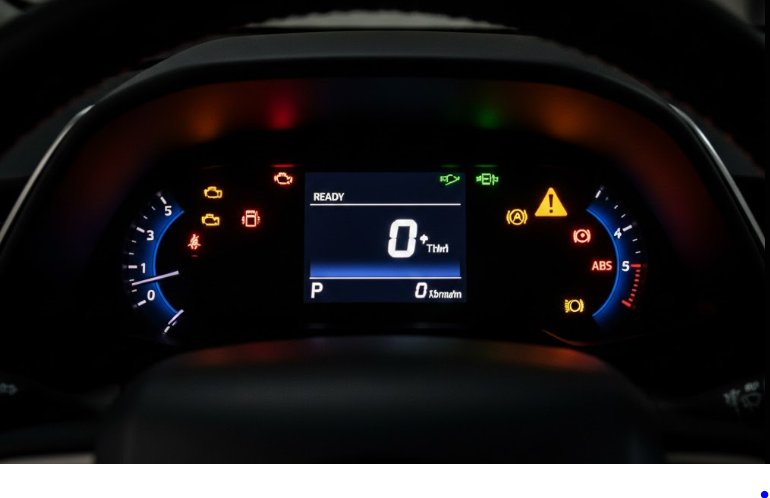
Software and sensor issues also show up more than mechanical failures.
• Warning lights with no drivability change
• Sudden mode switching
• Reduced power temporarily
These are often fixed with updates or recalibration, but they scare owners because they feel serious even when they’re not.
One thing Toyota hybrid transmissions generally do not suffer from is catastrophic failure the way some conventional automatics or belt-driven CVTs do.
• No slipping clutches
• No gear packs burning up
• No torque converter failures
That’s why you see so many Toyota hybrids running well past 200,000 miles with original transmissions.
However, repair costs are where people get shocked. Even though failures are rare, when something does go wrong, it’s not cheap.
• Specialized parts
• Fewer rebuild options
• Dealer-heavy repairs
This doesn’t mean the system is fragile — it means it’s specialized.
Another thing owners notice is noise changes with age.
• Slight whining at low speeds
• Different sounds during electric-only driving
• Changes when transitioning between electric and engine power
Not all noise equals damage. Some noise is normal. The trick is noticing new noise versus noise that’s always been there.
The biggest mistake people make with Toyota hybrids is assuming they require no maintenance at all. They absolutely require less, but not none.
• Fluid still matters
• Cooling still matters
• Software still matters
When these systems are maintained, they’re some of the longest-lasting transmissions on the road.
The honest takeaway is this: Toyota hybrid transmissions don’t fail often, but when they do, it’s usually because something was ignored for too long or misunderstood early on. Most “issues” owners report are actually behavior differences, not mechanical problems.
If you’re driving one and paying attention, it’ll usually warn you long before anything serious happens.