
Most car problems don’t start loudly.
They start quietly. One sensor acting weird. One warning light you ignore. One “it still drives fine” moment.
Car scanning is how you catch problems before they turn into expensive regrets.
If you’ve ever driven with the check-engine light on and hoped it would “just go away,” this is for you.
What car scanning actually is (in simple terms)
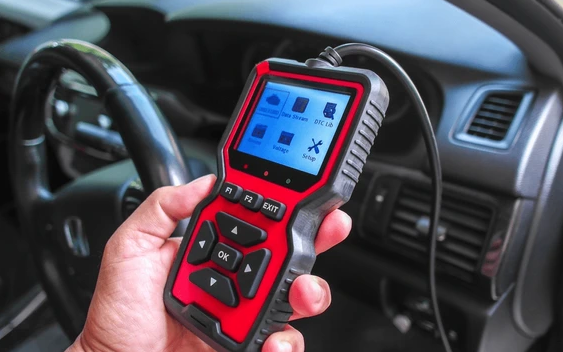
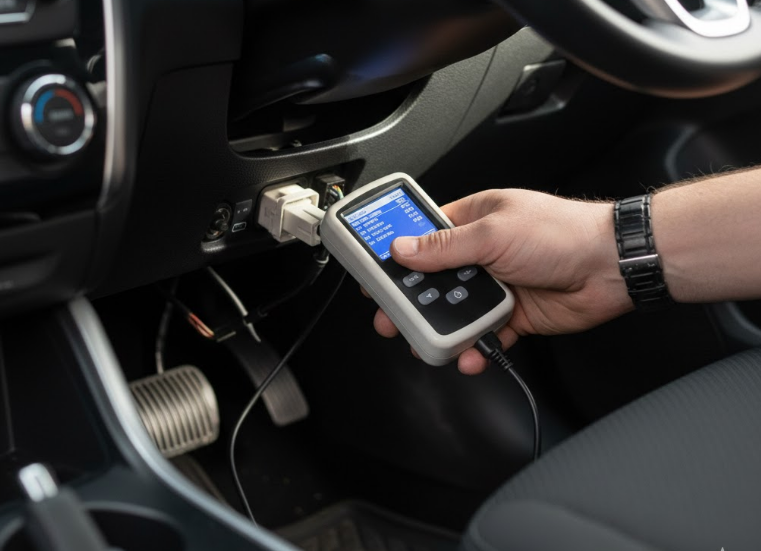
Car scanning means connecting a diagnostic scanner to your car’s computer to read error codes.
Modern cars are full of sensors. When something goes wrong — even slightly — the car stores that information. A scanner reads it and tells you where to look instead of guessing.
It’s like your car talking — just not in plain English.
Why car scanning matters more than people think
Here’s the thing most drivers don’t realize:
Your car knows it has a problem long before you feel it.
By the time you hear noise, feel vibration, or lose power, the issue is already past the early stage.
Car scanning lets you catch:
- Sensor failures
- Misfires
- Emission issues
- Transmission warnings
- Fuel system problems
Early problems are cheaper. Late problems hurt.
The check-engine light is not the enemy
People panic when the check-engine light comes on. Or worse — they ignore it completely.
That light doesn’t mean “your engine is dead.”
It means “something needs attention.”
Sometimes it’s small:
- Loose fuel cap
- Faulty sensor
- Minor emission issue
Other times it’s serious:
- Engine misfire
- Oxygen sensor failure
- Transmission trouble
Without scanning, you don’t know which one it is. You’re just guessing — and guessing gets expensive.
Car scanning saves money (even if you hate mechanics)
Let me be blunt:
Most unnecessary car repairs happen because of guesswork.
Without scanning:
- Mechanics may replace parts blindly
- You may change things that aren’t broken
- Small issues turn into big ones
With scanning:
- You target the problem
- You fix only what’s needed
- You avoid repeat visits
Even if you don’t repair the car yourself, scanning helps you understand what you’re paying for.
That alone is power.
It’s especially important before buying a used car
This is where scanning really earns its respect.
A used car can look perfect and still hide problems. Sellers can clear warning lights temporarily. They can reset systems. They can talk confidently.
A scan doesn’t care.
It reveals:
- Hidden fault codes
- Transmission history
- Emission issues
- Past engine problems
Spending five minutes scanning can save you months of stress.
Modern cars almost depend on scanning
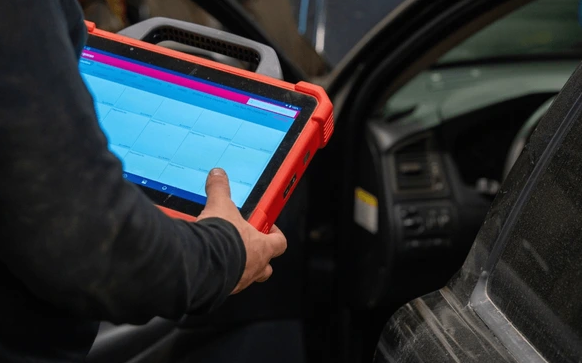
Older cars gave warnings through noise and feel. New cars rely on electronics.
Some problems don’t show symptoms until damage is already done. The only warning is stored inside the system.
That’s why modern car ownership without scanning is like owning a smartphone without checking notifications.
You’re missing information that matters.
Do you need a scanner at home?
If you own a car long-term, yes — a basic one.
You don’t need an expensive professional tool. Even affordable scanners can:
- Read engine codes
- Clear warning lights
- Give basic diagnostics
It won’t replace a mechanic, but it will stop you from being clueless.
And that’s the difference between confidence and stress.
The honest takeaway
Car scanning isn’t about being a car expert.
It’s about not being in the dark.
It helps you:
- Catch problems early
- Avoid unnecessary repairs
- Make smarter decisions
- Protect your money
Ignoring warning lights doesn’t make problems disappear. It just delays the bill.