
By Engine Dynamo
Keep your car’s engine in perfect shape with this 2025 guide. Learn expert tips on oil changes, cooling, cleaning, and daily habits that extend your engine’s life
Your engine is the beating heart of your car — powerful, complex, and essential for every journey. Yet, it’s often one of the most neglected parts when it comes to maintenance. Poor engine care can lead to costly repairs, reduced mileage, and even complete breakdowns.
Regular attention to simple tasks like oil changes, cooling checks, and filter cleaning can make the difference between an engine that lasts 5 years and one that runs smoothly for 15.
In this Engine Dynamo guide, we’ll show you how to care for your car engine properly in 2025, combining modern best practices, global standards, and expert-level tips for long-lasting performance.
1. Understand the Basics of Your Engine
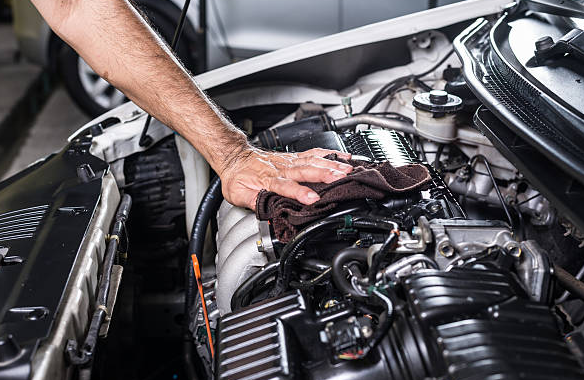
Before you can take care of your engine, it’s important to understand how it works. A car engine converts fuel and air into energy through combustion — this process produces the power that drives your vehicle forward.
There are different engine types:
- Petrol engines: Quieter and smoother but require frequent oil checks.
- Diesel engines: Built for torque and longevity but need strong fuel filtration.
- Hybrid and EV powertrains: Use electric motors that reduce wear but still require cooling and lubrication checks for their mechanical components.
Knowing your engine type helps you choose the right oil, filters, and maintenance schedule.
2. Change Engine Oil Regularly
Engine oil is the lifeblood of your car — it lubricates moving parts, prevents overheating, and reduces friction. Over time, oil breaks down and loses its ability to protect the engine.
Recommended oil change intervals:
- Every 5,000–10,000 km (3,000–6,000 miles), depending on your vehicle and oil type.
- For synthetic oils, you can go slightly longer — up to 12,000 km.
Signs You Need an Oil Change:
- Engine knocking or unusual noise.
- Oil color turns dark or gritty.
- Dashboard oil warning light appears.
Always use the manufacturer-recommended oil grade (e.g., 5W-30 or 10W-40). Using the wrong viscosity can cause poor lubrication and higher fuel consumption.
3. Check and Replace Air Filters
Clean air is essential for efficient combustion. A dirty or clogged air filter limits airflow, making your engine work harder and reducing fuel efficiency.
When to Replace:
Every 15,000–25,000 km, or sooner in dusty environments.
DIY Tip:
Hold your air filter up to light — if you can’t see through it, it’s time to replace it. It’s one of the easiest and cheapest maintenance jobs any car owner can do.
4. Maintain the Cooling System
Engines generate enormous heat, and the cooling system prevents them from overheating. Low coolant levels or leaks can cause serious engine damage in minutes.
How to Maintain:
- Check coolant level monthly.
- Flush and replace coolant every 2 years or 40,000 km.
- Inspect radiator hoses for cracks or leaks.
Avoid using plain water as a substitute — it evaporates quickly and can cause corrosion inside the engine. Always use a 50/50 coolant mix unless your vehicle specifies otherwise.
5. Keep Spark Plugs and Ignition System Clean
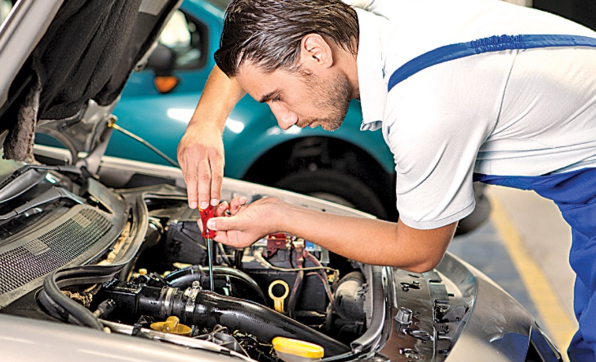
Spark plugs ignite the air-fuel mixture inside your engine cylinders. If they’re worn out or dirty, you’ll notice misfires, rough idling, or poor acceleration.
Maintenance Tips:
- Replace spark plugs every 40,000–60,000 km (check your car manual).
- Use the correct plug type — iridium plugs last longer than standard copper ones.
- Keep ignition wires and coils dry and clean to prevent misfiring.
6. Inspect Belts and Hoses Regularly
Your engine relies on belts and hoses to power key systems like the alternator, air conditioning, and cooling system. Cracks or fraying are warning signs of failure.
Replacement Timeline:
- Serpentine belts: Every 60,000–100,000 km.
- Timing belts: Every 90,000–160,000 km, depending on model.
Ignoring a worn timing belt can lead to catastrophic engine failure — always replace it on time.
7. Pay Attention to Engine Warning Lights
Modern cars use advanced sensors that monitor every aspect of your engine’s performance. When the Check Engine Light appears, don’t ignore it.
Possible Causes:
- Faulty oxygen sensor.
- Loose gas cap.
- Worn catalytic converter or spark plugs.
Use an OBD-II scanner to read the error code and identify the issue early. These devices are affordable and can save you from expensive repairs later.
8. Drive Smoothly and Avoid Aggressive Habits
Your driving style has a major impact on engine life. Rapid acceleration, sudden braking, and high-RPM driving increase stress and wear.
Best Practices:
- Warm up your engine for 30–60 seconds before driving, especially in cold weather.
- Avoid over-revving the engine before oil reaches optimal temperature.
- Coast gently when possible to reduce internal pressure and heat.
Smooth driving not only preserves your engine but also improves fuel economy.
9. Clean the Engine Bay Carefully
A clean engine bay makes it easier to spot leaks, corrosion, or worn parts. However, engine cleaning must be done safely to avoid damaging electrical systems.
How to Clean Safely:
- Let the engine cool completely.
- Cover sensitive parts (battery, alternator, air intake).
- Use a mild engine degreaser and a soft brush.
- Rinse lightly and wipe with a microfiber towel.
Avoid high-pressure washing — it can force water into electrical components.
10. Store Your Vehicle Properly
If you’re not driving for weeks or months, your engine still needs attention. Idle cars can develop oil separation, fuel oxidation, and corrosion.
Storage Tips:
- Start the engine once every 1–2 weeks for 10–15 minutes.
- Keep the fuel tank full to prevent moisture buildup.
- Use a fuel stabilizer for long storage.
- Disconnect the battery if the car won’t be used for over a month.
Proper storage ensures your engine stays ready to go at any moment.
11. Future of Engine Care (2025 & Beyond)
The automotive world is rapidly shifting toward smart and connected maintenance.
Emerging Trends:
- Smart sensors that track oil quality and engine health in real time.
- AI-based predictive maintenance that alerts you before a breakdown.
- Eco-friendly lubricants made from renewable materials.
- Hybrid engine care systems that automatically adjust cooling and power management.
Future engines will demand less manual maintenance but more digital monitoring — something Engine Dynamo will continue to cover in detail.
Keep Your Engine Healthy for the Long Road
A well-maintained engine doesn’t just perform better — it saves you money, fuel, and stress. Regular oil changes, filter replacements, and gentle driving habits form the foundation of long engine life.
Whether you drive a compact city car, a diesel SUV, or a hybrid sedan, the principles remain the same: routine care equals reliable performance.
Visit EngineDynamo.com to explore expert maintenance tips, troubleshooting guides, and upcoming reviews of the best engine oils and accessories for 2025.