
Hybrid engines combine gas and electric power to boost fuel efficiency, but they need specific care to
run smoothly. This guide is for hybrid owners who want to keep their vehicles reliable and avoid costly
repairs.
We’ll walk you through understanding your hybrid’s key components so you know what makes your car
tick. You’ll also learn the essential maintenance tasks like checking fluids, caring for your battery, and
knowing when to schedule professional service. These simple steps will help extend your hybrid’s life
and keep it performing at its best.
Understanding How a Hybrid Engine Actually Works
A hybrid vehicle isn’t just an engine with a battery slapped on. It’s a coordinated system made up of four major parts:
- A high-voltage battery pack
- One or more electric motors
- A gasoline engine
- Regenerative braking and power management electronics
All of these components constantly talk to each other through software. When one part degrades, the entire system becomes less efficient — often without obvious symptoms at first.
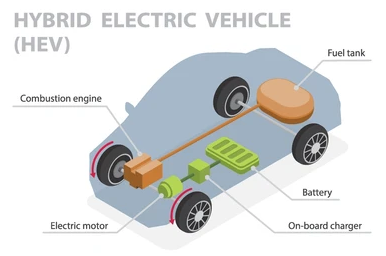
Understanding this interaction matters, because hybrid maintenance is less about “fixing parts” and more about preventing imbalance between systems.
Battery Pack Inspection and Monitoring
Your hybrid battery is the most expensive component in the vehicle. Anyone who ignores it is gambling with their money.
What to Check Regularly
- Battery cooling vents: These clog easily with dust and pet hair
- Cooling fans: Listen for abnormal noise or failure to activate
- Dashboard warnings: Never ignore battery or hybrid system alerts
Hybrid batteries operate best between 68–86°F (20–30°C). Overheating accelerates chemical degradation and permanently reduces capacity.
Warning Signs You’re Already Losing Battery Health
- Reduced electric-only driving range
- Engine running more often than usual
- Sudden drops in fuel economy
- Sluggish acceleration
Never touch high-voltage cables. The orange color is not decoration — it’s a warning.
Use your car’s energy flow display or manufacturer app to monitor:
- State of charge consistency
- Charging behavior during braking
- Battery temperature trends
If those patterns change, something is aging — even if no warning light is on yet.
Electric Motor Performance Checks
Electric motors are durable, but not immortal.
What Healthy Motors Feel Like
- Silent operation in EV mode
- Instant torque without hesitation
- Smooth transitions between electric and gas power
Red Flags
- Whining, grinding, or clicking noises
- Delayed response when accelerating
- Weak regenerative braking
[Image Placeholder: Electric motor and regenerative braking illustration]
Regenerative braking is a key indicator of motor health. If you notice less energy recovery during coasting or braking, efficiency is already dropping.
This isn’t cosmetic. Reduced regeneration means:
- Worse fuel economy
- Higher brake wear
- Increased battery stress
Gas Engine Integration: Where Most Problems Hide
Hybrid gas engines don’t run continuously. They start and stop based on demand — which means integration matters more than raw engine health.
Watch for:
- Rough engine starts
- Excessive vibration during engagement
- Frequent or unnecessary engine cycling
Hybrid engines often share coolant with electric components. Cross-contamination, incorrect coolant, or low levels cause system-wide issues.
Oil changes still matter — just less often. Because the engine runs fewer hours, oil lasts longer, but skipping changes entirely is still negligence.
Regenerative Braking System Maintenance
Regenerative braking is why hybrid brake pads last so long — but it also means brake fluid gets neglected.
What Proper Regeneration Feels Like
- Smooth deceleration
- Consistent brake pedal response
- Visible energy recovery on the display
Sudden changes in braking feel are not “normal hybrid behavior.” They are warnings.
Brake fluid absorbs moisture over time, regardless of mileage. In hybrids, contaminated fluid can interfere with the blending between regenerative and friction braking.
Replace brake fluid every 3–4 years, no excuses.
Essential Fluid Maintenance for Hybrids
Engine Oil
Hybrid oil lasts longer, but it must meet exact specifications.
Typical intervals:
- Traditional gas cars: 5,000–7,500 miles
- Hybrid vehicles: 10,000–12,000 miles
Always use manufacturer-recommended viscosity (commonly 0W-20).
Coolant Systems
Hybrids usually have two cooling circuits:
- One for the gas engine
- One for the inverter and electric components
Never mix coolant types. Long-life hybrid coolant often lasts up to 100,000 miles — but only if uncontaminated.
Brake Fluid
Mileage doesn’t matter. Time does.
Change it every 3–4 years or when moisture exceeds 3%.
Battery Care That Actually Extends Lifespan
Here’s what most owners get wrong: hybrid batteries hate extremes.
Do This
- Drive regularly
- Accelerate smoothly
- Keep charge levels moderate (20–80% is ideal)
Don’t Do This
- Let the car sit unused for months
- Park in extreme heat constantly
- Drain the battery repeatedly
[Image Placeholder: Hybrid battery thermal management and charging illustration]
If storing your hybrid long-term:
- Leave battery at ~50–60%
- Disconnect the 12V battery
- Drive it at least once a month
Ignoring storage rules is how batteries die quietly.
Diagnostics, Software, and Warning Lights
Hybrid cars are computers on wheels.
When a warning light appears:
- It is not optional
- It is not “just a sensor”
- It is not safe to ignore
Use an OBD scanner that supports hybrid-specific codes. Generic scanners miss critical data.
Manufacturers release software updates to:
- Improve efficiency
- Fix charging logic
- Correct sensor calibration
Skipping updates means running outdated control logic — which costs fuel and stresses components.
Professional Service: When DIY Ends
Not all mechanics should touch hybrids.
What to Look For
- ASE L3 Hybrid/Electric certification
- Manufacturer-specific training
- Proper high-voltage safety equipment
Hybrid systems operate at 200–650 volts. That’s lethal. Anyone treating it casually is dangerous.
Hybrid warranties often last longer on batteries than the rest of the vehicle — but skipped maintenance can void them. Documentation matters.
Cheap hybrid service is rarely cheap in the long run.
Final Reality Check
Hybrid engines are not fragile — they’re intolerant of neglect.
If you:
- Monitor fluids
- Respect battery health
- Address warnings immediately
- Use qualified technicians
Your hybrid can run efficiently for hundreds of thousands of miles.
If you ignore these basics, the repair bills will exceed the money you saved on fuel.
Hybrid ownership rewards discipline. Treat it casually, and it will remind you why that was a mistake.