

By Engine Dynamo
Learn how to know if your car has a problem with this complete, no-nonsense guide. Cars don’t fail randomly. They warn you first. Lights, noises, smells, vibrations, and changes in behavior are all signals. Most drivers ignore them until the repair bill explodes. That’s not bad luck, that’s bad attention.
If you understand the early signs, you catch problems cheap. If you don’t, you pay later in breakdowns, danger, and wasted money.
Below is how to actually tell when your car has a problem, explained clearly and thoroughly.
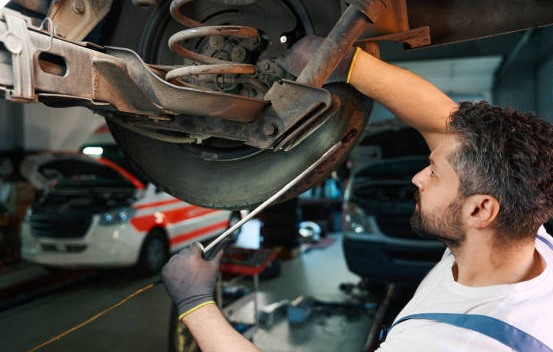
Dashboard warning lights
Your dashboard is the car talking to you. When a light turns on, something is already wrong or about to be.
Common lights and what they mean
• Check engine light
Engine, emissions, sensors, misfire, fuel system, or airflow issue. It can be minor or serious, but it should never be ignored.
• Battery light
Alternator not charging, weak battery, bad wiring, or loose terminals. If this stays on, the car will eventually die.
• Oil pressure light
Low oil pressure or oil pump issue. This is urgent. Driving like this can destroy the engine within minutes.
• Temperature light
Engine overheating. Usually caused by low coolant, radiator issues, or a failing water pump. Stop driving.
• Brake warning light
Low brake fluid, worn pads, or hydraulic system issue. This affects stopping power and safety.
Smart move
• Keep a basic OBD2 scanner
• Scan the code instead of guessing
• Fix causes early, not after damage spreads
Strange noises
Cars are engineered to be quiet and smooth. New sounds mean new problems.
Common noises and causes
• Squealing when braking
Worn brake pads or glazed rotors
• Grinding when shifting
Transmission, clutch, or low fluid problem
• Hissing under the hood
Vacuum leak or coolant leak
• Knocking from engine
Bad fuel, worn bearings, or detonation
• Rattling on bumps
Loose exhaust, heat shield, or suspension parts
Important habit
• Record the sound on your phone
• Play it for a mechanic
• Sounds disappear at the workshop far too often
Vibrations and shaking
Any vibration that wasn’t there before matters.
What vibrations usually mean
• Steering wheel shaking
Unbalanced tires or bad alignment
• Brake pedal vibration
Warped brake rotors
• Car shaking at idle
Misfire, bad spark plugs, or worn engine mounts
• Shaking at high speed
Tire issues, wheel balancing, or suspension wear
Vibrations reduce control, comfort, and tire life. Ignore them and they spread to other parts.
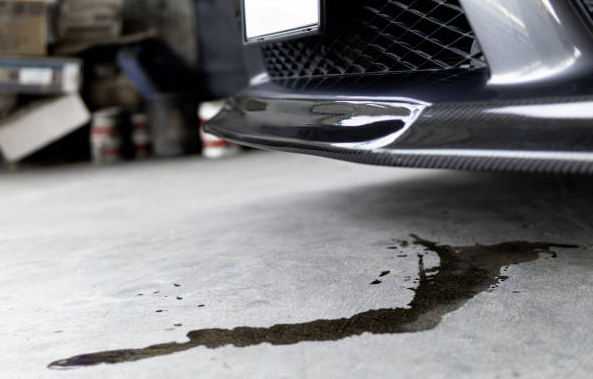
Fluid leaks
Fluids are not optional. If one is leaking, something is failing.
Common fluid colors
• Brown or black
Engine oil leak
• Red or pink
Transmission or power steering fluid
• Green or blue
Coolant leak
• Clear water
Usually normal AC condensation
What to do
• Look under the car regularly
• Smell the fluid
• Check the color
• Fix leaks early before systems run dry
Smoke or unusual exhaust
Exhaust smoke is one of the clearest warning signs.
Smoke color meanings
• Blue smoke
Engine burning oil
• White smoke
Coolant entering the engine, possible head gasket failure
• Black smoke
Too much fuel, dirty air filter, injector problem
Continuous smoke means internal engine trouble. Driving longer only increases damage.
Electrical or battery problems
Electrical issues usually show up slowly, not all at once.
Early signs
• Dim or flickering headlights
• Slow power windows
• Clicking sound when starting
• Random warning lights
What to check
• Battery terminals for corrosion
• Battery voltage
Around 12.6V when off
Around 14V when running
Batteries typically last 3 to 5 years. Old batteries cause chaos across the entire electrical system.
Handling and steering problems
If the car doesn’t go where you point it, that’s serious.
Warning signs
• Car pulls to one side
Alignment or tire pressure issue
• Heavy steering
Low power steering fluid or pump issue
• Clunking sounds
Worn ball joints or tie rods
• Steering vibration at speed
Wheel balancing problem
Steering issues affect control. This is not something to delay.
Brake performance changes
Brakes should feel predictable every time.
Signs of brake trouble
• Squealing or grinding
Brake pads worn down
• Soft or spongy pedal
Air in brake lines or fluid leak
• Pulling while braking
Uneven pad wear or seized caliper
• Pedal vibration
Warped rotors
Brakes are non-negotiable. Any change deserves immediate attention.
Loss of engine performance
If the car feels weaker than before, it probably is.
Common causes
• Dirty air filter
• Worn spark plugs
• Bad ignition coils
• Clogged fuel injectors
• Faulty oxygen sensor
Symptoms
• Slow acceleration
• Poor fuel economy
• Hesitation or jerking
• Random warning lights
Engines don’t suddenly become bad. They degrade when maintenance is skipped.
Unusual smells
Your nose often detects problems before your dashboard does.
Common smells and causes
• Sweet smell
Coolant leak
• Rotten egg smell
Failing catalytic converter
• Burning rubber
Slipping belt or overheating component
• Burnt oil smell
Oil leaking onto hot engine parts
• Strong fuel smell
Fuel system leak, dangerous and urgent
Never ignore strong smells. Some fumes are toxic and flammable.
Habits that catch problems early
Good drivers don’t wait for breakdowns.
Do this regularly
• Check oil, coolant, and brake fluid every two weeks
• Check tire pressure monthly
• Keep the engine bay clean
• Listen for new sounds
• Feel for new vibrations
• Scan the car occasionally with an OBD2 tool
• Follow the service schedule strictly
Preventive maintenance is boring. Emergency repair is expensive.
See a mechanic immediately if you notice
• Oil or temperature warning lights
• Smoke from exhaust or engine bay
• Burning smells
• Loss of braking or steering control
• Severe vibrations
• The car simply feels wrong
Trust your senses. Cars don’t lie.
Listen before it breaks
Your car always warns you before serious failure. The problem isn’t that signs aren’t there. The problem is drivers ignore them.
Pay attention. Act early. Fix small issues before they become disasters.
That’s how you keep a car reliable, safe, and cheap to own.
Explore more real, practical car care guides at Engine Dynamo and stop learning the hard way.
By Engine Dynamo
Learn how to know if your car has a problem with this complete guide. Discover 10 early warning signs — from strange noises to dashboard lights — and what they really mean.
Your car can’t speak, but it does communicate — through lights, sounds, smells, and how it feels on the road. Most breakdowns don’t happen suddenly; they start as small warning signs that many drivers overlook.
Ignoring those signs can lead to expensive repairs, safety hazards, and even engine failure. But if you know what to look for, you can catch problems early and save yourself time, stress, and money.
In this Engine Dynamo guide, you’ll learn how to know if your car has a problem — from dashboard warnings to subtle changes in performance.
1. Dashboard Warning Lights
Your car’s dashboard is its language. Those glowing icons aren’t just decorations — they’re the first sign something’s wrong.
Common Warning Lights and What They Mean:
- Check Engine Light: Indicates a problem with the engine, emissions, or sensors.
- Battery Light: Could mean a failing alternator, weak battery, or bad connection.
- Oil Pressure Light: Low oil or faulty oil pump — act immediately.
- Temperature Light: Engine is overheating; stop and let it cool.
- Brake Light: Low brake fluid or worn brake pads.
Tip: Keep an OBD2 scanner in your glove box — it reads error codes instantly and helps you understand the problem before visiting a mechanic.
2. Strange Noises
Cars are designed to sound smooth. When they start talking differently, pay attention.
| Sound | What It Could Mean |
| Squealing when braking | Worn brake pads or dirty rotors |
| Grinding while shifting | Transmission or clutch issue |
| Hissing under hood | Vacuum or coolant leak |
| Knocking from engine | Worn bearings or bad fuel |
| Rattling on rough roads | Loose exhaust or suspension parts |
Pro Tip: Record the sound on your phone before visiting a workshop — it helps mechanics diagnose faster.
3. Vibrations and Shaking
If your steering wheel, brake pedal, or entire car shakes, something isn’t right.
Common Causes:
- Vibrating steering wheel → Unbalanced tires or alignment issue
- Vibrating brake pedal → Warped rotors
- Shaking at idle → Worn engine mounts or misfire
These issues affect safety and fuel economy, so never ignore unusual vibrations.
4. Fluid Leaks
Fluids are your car’s lifeblood. Any leak means a problem somewhere.
| Fluid Colour | Possible Issue |
| Brown or black | Engine oil leak |
| Red or pink | Transmission or steering fluid |
| Green or blue | Coolant leak |
| Clear | Normal condensation (A/C water) |
If you see a puddle under your car, smell the liquid, and check its colour. Fixing a small leak early prevents major engine or gearbox repairs later.
5. Smoke or Unusual Exhaust
Smoke isn’t just unsightly — it’s a red flag.
| Smoke Colour | What It Means |
| Blue | Burning oil |
| White | Coolant leak or blown head gasket |
| Black | Too much fuel (clogged air filter or injector) |
If your car blows smoke often, stop driving and get it inspected. Continuous smoke can lead to engine failure.
6. Electrical or Battery Issues
A weak electrical system often shows early symptoms:
- Dim headlights or flickering dashboard lights.
- Clicking sound when starting.
- Slow window or wiper response.
Fix:
- Check battery terminals for corrosion.
- Test voltage with a multimeter (should read ~12.6V when off, 13.8–14.5V when running).
- Replace the battery every 3–5 years or as needed.
Keeping a portable jump starter is a smart idea for emergencies.
7. Handling or Steering Problems
When steering feels off, the problem could lie in your suspension or tires.
Warning Signs:
- Car pulls to one side → Alignment or tire pressure issue.
- Steering feels heavy → Low power steering fluid or pump problem.
- Clunking sound → Worn ball joints or tie rods.
- Steering vibrates at high speeds → Tire balancing issue.
Always address steering problems quickly — they affect your ability to control the vehicle safely.
8. Brake Performance Changes
Your brakes should always feel firm and consistent. If not, something’s wrong.
Signs of Brake Problems:
- Squealing or grinding noise → Worn brake pads.
- Soft or spongy pedal → Air in brake lines.
- Car pulls while braking → Uneven pad wear or stuck caliper.
- Vibration → Warped brake rotors.
Brakes are safety-critical — never delay repairs when something feels off.
9. Engine Performance Drop
If your car feels weaker or consumes more fuel, your engine might be struggling.
Possible Reasons:
- Dirty air filter.
- Failing spark plugs or ignition coils.
- Clogged fuel injectors.
- Faulty oxygen sensor.
Symptoms:
- Slow acceleration.
- Poor fuel economy.
- Engine hesitation or misfire.
- Warning lights appearing randomly.
Schedule a tune-up if your car doesn’t feel as responsive as before.
10. Unusual Smells
Your nose can detect trouble before your dashboard does.
| Smell | Possible Cause |
| Sweet syrup smell | Coolant leak (heater core) |
| Rotten eggs | Catalytic converter failure |
| Burning rubber | Slipping belt or overheating part |
| Burnt oil | Oil leak onto hot engine |
| Strong gasoline smell | Fuel system leak |
If you smell something strange inside or outside the car, investigate immediately — some fumes are toxic.
11. Proactive Habits to Catch Problems Early
- Check fluid levels (oil, coolant, brake) every two weeks.
- Monitor tire pressure monthly.
- Keep your car clean — leaks or damage are easier to spot.
- Listen and feel for new sounds or vibrations.
- Use a diagnostic scanner once every few months.
- Follow your car’s maintenance schedule strictly.
Preventive care is always cheaper than emergency repair.
12. When to See a Mechanic Immediately
Don’t wait if you notice:
- Constant warning lights (especially engine or oil).
- Smoke from the exhaust or engine bay.
- Burning smells or overheating.
- Difficulty braking or steering.
Trust your instincts — if the car doesn’t “feel right,” have it checked.
Listen to Your Car Before It Breaks Down
Your car will always give early hints before major trouble. The key is learning to recognize them — unusual sounds, warning lights, or performance changes are your car’s way of asking for help.
Ignoring them is like ignoring a fever — it only gets worse.
Pay attention, act early, and you’ll enjoy smoother, safer, and more reliable drives every day.
Explore more smart car-care and troubleshooting guides at EngineDynamo.com — your trusted partner for all things automotive.