
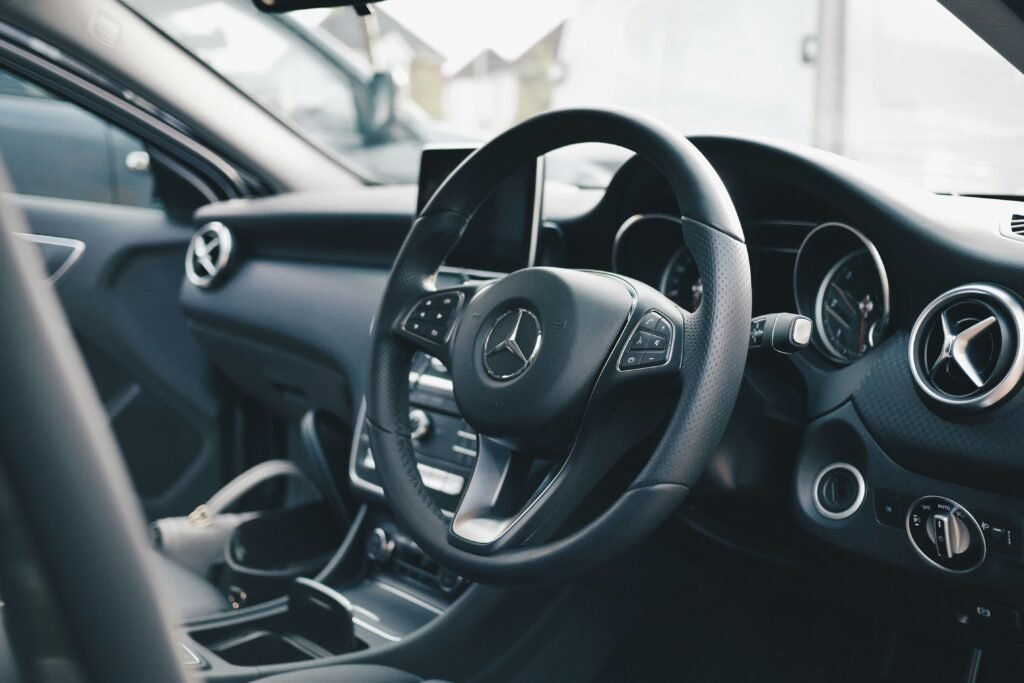
Your car’s interior deserves more than a quick wipe. Learn how to deep clean every surface — seats, dashboard, carpets, and vents — and make your car’s cabin feel brand new again.
1. The Inside Story of a Clean Car
Most drivers obsess over keeping their car’s exterior shiny — weekly washes, waxes, and polishes. But open the door, and the story often changes.
Crumbs under the seat, fingerprints on the dashboard, foggy windows, and that faint smell of last month’s coffee. Sound familiar?
The truth is, the interior of your car defines how comfortable and refreshing every ride feels. It’s where you spend the most time — breathing the air, touching the surfaces, and sharing space with family or friends. A clean cabin isn’t just about looks; it’s about comfort, hygiene, and pride.
In this guide, Engine Dynamo will take you step by step through how to clean your car’s interior like a pro — without expensive tools, without rushing, and without harming your car’s materials.
2. Why Interior Cleaning Matters
A car’s interior might look fine at first glance, but it collects more dirt, bacteria, and allergens than you think. Studies show that the average steering wheel has more bacteria than a smartphone screen, and the air vents can spread dust or mold spores if ignored.
Here’s why regular interior cleaning is essential:
- Hygiene and Health: Dust, sweat, and food particles breed bacteria and allergens that affect air quality and health.
- Comfort and Mood: A fresh, uncluttered space makes driving peaceful and focused.
- Longevity and Value: Dirt and UV exposure damage fabric, leather, and plastic over time. Clean interiors preserve your car’s resale value.
Keeping your car clean is not vanity — it’s maintenance for your comfort and safety.
3. Preparation: What You’ll Need Before You Start
Before diving into cleaning, gather the right tools and products. Preparation saves time and prevents accidental damage.
Basic Tools:
- Portable vacuum cleaner (with crevice and brush attachments)
- Microfiber cloths (at least 4–5)
- Soft detailing brush or old toothbrush
- Spray bottle with clean water
- Bucket and sponge
Recommended Cleaners:
- All-purpose interior cleaner (safe for dashboards and plastics)
- Upholstery cleaner or fabric shampoo
- Leather conditioner (for leather interiors)
- Glass cleaner (ammonia-free)
- Odor neutralizer or baking soda
Optional but Helpful:
- Steam cleaner or compressed air for vents
- Air freshener or cabin fragrance
- Detailing gel for buttons and tight spaces
Pro Tip: Avoid household detergents or alcohol-based sprays. They can strip away protective coatings or discolor plastics. Always use car-safe products.
4. Step-by-Step Deep Cleaning Process
Now let’s transform your cabin — from dusty to dazzling — with a logical, organized process that covers every area.
A. Declutter the Space
Start by removing everything that doesn’t belong — bags, receipts, bottles, food wrappers, and floor mats. You’ll be amazed how much dirt hides under everyday items.
Then, take out removable parts like floor mats, seat covers, and trash bins. This makes vacuuming and wiping far more effective.
Clutter doesn’t just make your car look messy — it traps dust, absorbs odor, and reduces comfort. A clean car begins with an empty one.
B. Vacuuming the Interior
Vacuuming is the foundation of interior cleaning. Begin from the top and move downward:
- Seats first: Use the brush attachment to lift debris from seams and fabric.
- Floor and carpets: Move the seats back and forth to reach hidden spots.
- Crevices and tight spaces: Use a crevice tool or detailing brush for corners, under pedals, and between seats.
- Trunk area: Don’t forget the cargo space — it collects dust and leaves easily.
Tip: Use compressed air to blow out dust from cup holders and vents before vacuuming, so it doesn’t resettle.
C. Cleaning the Seats and Upholstery
Your seats bear the brunt of everyday life — sweat, spills, and dust. Cleaning methods vary by material:
Fabric Seats:
- Spray fabric cleaner lightly — don’t soak the fabric.
- Use a soft brush to scrub stains in circular motions.
- Wipe with a damp microfiber cloth and allow to dry naturally.
For deep stains (like coffee or oil), apply a small amount of vinegar and water mixture, blot gently, and re-clean.
Leather Seats:
- Use a dedicated leather cleaner — never household soap.
- Wipe with a soft cloth to remove grime.
- Apply a leather conditioner afterward to restore shine and prevent cracking.
Synthetic or Vinyl Seats:
Wipe with a mild cleaner and water mix. Avoid glossy or oily products — they make seats slippery and attract more dust.
D. Dashboard, Console, and Vents
This is where your car’s personality shows — and also where dust loves to hide.
- Start with a microfiber cloth and interior cleaner. Gently wipe surfaces, including the dash, console, and gear shifter.
- Use a small brush or detailing gel to clean around buttons, vents, and tight corners.
- For air vents, use compressed air or a soft paintbrush.
- Wipe dry with a clean cloth to avoid streaks or residue.
Pro Tip: Avoid using silicone sprays or glossy polishes. They may look shiny but reflect sunlight onto your windshield and feel greasy. Instead, aim for a clean matte finish.
E. Windows and Mirrors
Crystal-clear glass improves visibility and the look of your cabin.
- Use a dedicated automotive glass cleaner (ammonia-free).
- Spray onto a microfiber cloth, not directly on the glass — this prevents overspray on the dashboard.
- Clean in circular motions, then finish with vertical wipes to remove streaks.
- Don’t forget the rearview mirror and small side glass panels.
Pro Insight: Clean the inside of your windshield last — it collects the most invisible film from air conditioning and cabin vapors.
F. Carpets and Floor Mats
Your car’s floor is the dirtiest part — mud, food crumbs, and water stains all live here.
- Shake and vacuum the mats thoroughly.
- For rubber mats: wash with soap and water, then dry completely.
- For carpet mats: use carpet cleaner or shampoo, scrub gently, and rinse.
- Vacuum the car’s floor and under seats before reinstalling mats.
If your carpets still smell musty, sprinkle baking soda overnight and vacuum the next day — it naturally neutralizes odors.
G. Steering Wheel and High-Touch Areas
The steering wheel, gear knob, and door handles are the most touched — and often the dirtiest.
- Spray cleaner onto a cloth, not directly on the wheel.
- Wipe thoroughly, covering grooves and stitching.
- Disinfect gently using wipes (especially if shared by multiple drivers).
Did You Know?
The steering wheel can have four times more bacteria than a public toilet seat. Clean it weekly for hygiene and safety.
5. Odor Elimination and Air Freshening
No amount of wiping can fix bad odors if the cause is hidden. Identify, eliminate, then freshen.
Common Causes:
- Food residue or spilled drinks
- Moisture under carpets
- Dirty cabin air filter
- Smoke buildup
Solutions:
- Sprinkle baking soda on carpets and seats, let sit for a few hours, then vacuum.
- Use charcoal bags to absorb natural odors.
- Replace the cabin air filter every 10,000–15,000 km.
- For stubborn smells (like smoke), use an ozone generator or professional odor neutralizer.
Then, choose a subtle fragrance — not too strong. A clean-smelling car should feel natural, not perfumed.
6. Regular Maintenance Routine
A spotless car interior doesn’t require hours every week — just smart habits.
Weekly:
- Empty trash and wipe the dashboard.
- Shake out floor mats.
- Quick vacuum of crumbs or dust.
Monthly:
- Clean glass and vents.
- Wipe seats and center console.
- Check for stains or spills before they set.
Seasonally (Every 3–4 Months):
- Deep clean seats and carpets.
- Wash mats thoroughly.
- Replace air fresheners and check the air filter.
Pro Tip: Sync your interior cleaning with oil changes or car washes — it builds consistency and becomes second nature.
7. Mistakes to Avoid When Cleaning the Interior
Even careful drivers make these errors:
- Using too much water or cleaner: Moisture seeps into electronics and upholstery, causing mildew.
- Cleaning under direct sunlight: Heat causes cleaners to dry too fast, leaving stains or streaks.
- Using rough fabrics or paper towels: They scratch screens and polished panels.
- Ignoring seat undersides and door pockets: Hidden spots trap dirt and smell over time.
- Over-fragrancing: Too much scent can irritate passengers or mask underlying issues.
Interior detailing is about patience and balance — not flooding your car with chemicals.
8. Professional Detailing vs DIY Cleaning
Sometimes, your car needs more than a personal effort. Professional interior detailing offers deep steam cleaning, stain extraction, and bacterial treatment.
Go Pro If:
- Your car smells persistently bad.
- The seats have old or greasy stains.
- You want to restore faded leather or fabric.
However, maintaining cleanliness afterward is entirely in your hands. A quick weekly vacuum and wipe-down will make that professional shine last for months.
9. A Clean Interior Reflects a Clear Mind
Your car’s interior is your personal space — a small moving room where you eat, listen, think, and sometimes just breathe. Keeping it clean is an act of self-respect and care for your machine.
The smell of freshness, the soft feel of clean leather, and the shine on the dashboard remind you that driving is more than transportation — it’s an experience.
So take a day, turn on your favorite music, roll up your sleeves, and give your car’s interior the attention it deserves.
A clean car doesn’t just look better — it feels better, drives better, and lasts longer.
Call to Action:
Keep your car spotless inside and out with Engine Dynamo — your trusted source for real-world car care guides, maintenance tips, and automotive wisdom that keeps you ahead of every road.