

By Engine Dynamo
Learn how to check your car’s engine oil properly and keep your engine healthy, smooth, and protected. Engine oil lubricates moving parts, reduces friction, controls heat, and prevents internal damage. Low or dirty oil slowly destroys engines, and checking it takes less than five minutes.
Why checking engine oil matters
• Reduces friction and engine wear
• Helps control operating temperature
• Prevents knocking, seizing, and long-term damage
• Saves money by spotting problems early
What you’ll need
• Clean rag or paper towel
• Optional gloves
• Funnel if topping up
• Flat parking surface
• Correct oil grade from the owner’s manual
How to check engine oil properly
• Park the car on level ground and turn the engine off
• Wait 5–10 minutes so oil settles in the oil pan
• Open the hood and locate the dipstick, usually yellow or orange
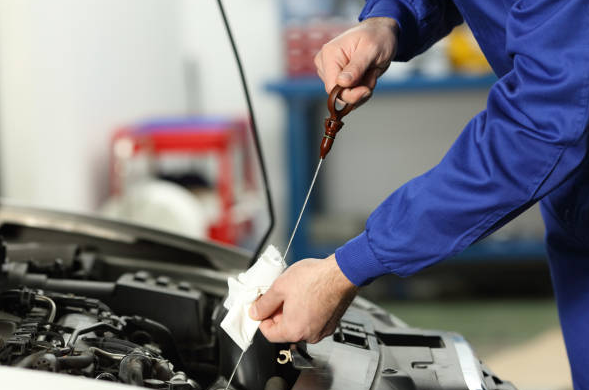
• Pull it out and wipe it completely clean
• Reinsert it fully, then pull it out again slowly
• Check the oil level between the MIN and MAX marks
Oil level guide
• Between MIN and MAX means perfect
• Below MIN means add oil immediately
• Above MAX means overfilled and risky
Oil colour and condition guide
• Light amber means healthy oil
• Brown means normal use
• Dark black means change soon
• Milky or foamy means possible coolant leak
• Burnt smell means oil is overdue or engine overheating
Topping up oil safely
• Open the oil filler cap labeled “Engine Oil”
• Add oil in small amounts, about 100–200 ml at a time
• Wait a minute and recheck the dipstick
• Stop once the correct level is reached
• Never overfill and always use the recommended oil grade
How often to check engine oil
• Petrol cars every two weeks
• Diesel or turbo engines weekly
• Older cars once a week
• Newer cars monthly or by dashboard alert
Mistakes to avoid
• Checking oil on an incline
• Using the wrong oil viscosity
• Forgetting to tighten the oil cap
• Overfilling the engine
• Ignoring oil colour changes
Checking your engine oil regularly is one of the simplest habits that protects your engine, improves performance, and extends vehicle life.
By Engine Dynamo
Learn how to check your car’s engine oil properly with this step-by-step guide. Ensure your engine stays healthy, smooth, and protected by maintaining the right oil level.
Engine oil is often called the lifeblood of your car — and for good reason. It lubricates every moving part inside your engine, reduces friction, and prevents overheating. Without the right amount or quality of oil, your engine can wear out faster, lose power, or even seize completely.
Yet, many drivers neglect this simple task. Checking your engine oil regularly takes less than five minutes but can save you thousands in repairs.
In this Engine Dynamo guide, you’ll learn how to check engine oil properly, what the colour and level mean, and how to top it up safely like a pro.
1. Why Checking Engine Oil Is Important
Your car’s engine operates under high heat and stress. Over time, oil breaks down, collects dirt, and loses its ability to protect the metal components.
Checking the oil regularly helps you:
- Ensure proper lubrication — reduces friction and wear.
- Keep the engine cool — oil absorbs and dissipates heat.
- Prevent engine damage — low oil can cause knocking and seizing.
- Save money — spotting low or dirty oil early avoids costly engine repairs.
In short, checking oil is one of the simplest yet most powerful habits every driver should maintain.
2. Tools You’ll Need
You don’t need a workshop to check your oil — just a few simple items:
- Clean rag or paper towel
- Gloves (optional, to avoid oil stains)
- Funnel (if topping up)
- Flat parking surface
- Car’s owner manual (for recommended oil type)
3. Step 1: Park on Level Ground and Cool the Engine
For an accurate reading:
- Park the car on level ground — not on an incline.
- Turn off the engine and wait 5–10 minutes so the oil settles in the oil pan.
- Open the hood once the engine is cool to the touch.
Checking oil right after driving gives false readings because hot oil spreads throughout the engine.
4. Step 2: Locate the Dipstick
Pop open the hood and look for a small loop or handle, usually yellow or orange. That’s your oil dipstick.
In some modern cars (especially European models), there’s no physical dipstick — the oil level is displayed digitally on your dashboard. But if your car has one, the manual dipstick method is still the most reliable way to check.
5. Step 3: Pull Out and Wipe Clean
- Gently pull the dipstick all the way out.
- Wipe it clean with your rag or paper towel.
- Make sure to remove all oil from the metal tip — you want a clean reading surface.
This removes splashes or oil mist that can mislead your reading.
6. Step 4: Reinsert and Check the Level
- Fully insert the dipstick back into the tube, then pull it out again slowly.
- Look closely at the end of the stick — you’ll see markings like:
- “MIN” / “MAX”
- or two dots / lines
- “MIN” / “MAX”
Your oil level should be between the two marks.
- Between min and max: Perfect.
- Below min: Add oil immediately.
- Above max: Too much oil — can cause foaming, pressure, and leaks.
Pro Tip: Always reinsert the dipstick fully to avoid a false “low” reading.
7. Step 5: Check Oil Colour and Consistency
The colour of the oil tells you a lot about your engine’s condition.
| Oil Appearance | Meaning |
| Light golden / amber | Fresh and healthy |
| Brown | Normal use, still fine |
| Dark black | Needs changing soon |
| Milky or foamy | Possible coolant leak — serious issue |
| Burnt smell | Oil overdue for change or engine overheating |
If the oil feels gritty or dirty when rubbed between fingers, it’s time for an oil change.
8. Step 6: Top Up If Needed
If the level is low:
- Find your oil filler cap — usually labeled “Engine Oil.”
- Use a funnel to pour small amounts (about 100–200 ml) at a time.
- Wait a minute, then recheck the dipstick.
- Repeat until oil reaches the correct level.
Important:
Always use the correct oil grade recommended by your car’s manufacturer (like 5W-30, 10W-40, etc.). Mixing different types can reduce lubrication quality.
Also, never overfill — excess oil can damage seals and sensors.
9. Step 7: Final Checks
After topping up:
- Tighten the oil filler cap securely.
- Wipe any spilled oil around the engine.
- Start the engine and let it run for 1–2 minutes.
- Recheck the dipstick one last time after turning the car off — this confirms proper circulation.
10. How Often Should You Check Engine Oil?
Checking regularly is the secret to long engine life.
| Car Type | Check Frequency |
| Petrol (daily driver) | Every 2 weeks |
| Diesel or Turbo engine | Weekly |
| Older vehicles | Once a week |
| New / hybrid cars | Monthly or as per dashboard indicator |
Also, check before long road trips or after driving on dusty or hilly terrain.
11. Common Mistakes to Avoid
Even experienced drivers make errors — avoid these to keep your engine safe:
- Checking oil on an uneven surface — inaccurate readings.
- Using wrong oil viscosity — affects performance and fuel economy.
- Forgetting to tighten the oil cap — causes oil spray under the hood.
- Overfilling oil — leads to leaks and catalytic converter damage.
- Ignoring oil colour — early warning signs often appear here first.
12. Pro Tips for Perfect Engine Oil Care
- Change oil every 5,000–10,000 km depending on your driving conditions.
- Always replace the oil filter with each oil change.
- Use synthetic oil for better performance and heat resistance.
- Keep a spare 1L bottle of oil in your trunk for emergencies.
- Record oil change dates and mileage for tracking.
Engine Dynamo Tip:
If you frequently drive in traffic or hot weather, shorten your oil change interval by 20–30% for extra safety.

A Simple Habit That Saves Your Engine
Checking your engine oil properly is one of the easiest and smartest things any driver can do. It takes just a few minutes but ensures your car runs smoothly, efficiently, and safely for years.
Remember:
- Always check on level ground, when the engine is cool.
- Watch both the level and colour.
- Use only manufacturer-approved oil.
Do it regularly — and your engine will reward you with reliability and performance.
Follow EngineDynamo.com for more easy-to-understand maintenance guides, oil recommendations, and expert car care tips for every driver.