
By Engine Dynamo
Learn how to change your car’s air filter in minutes with this simple DIY guide. Improve engine performance, fuel efficiency, and engine life without visiting a mechanic.
Your car’s air filter keeps dust, sand, and debris out of the engine so clean air can mix with fuel properly. Over time, the filter clogs, restricting airflow. This leads to poor mileage, weak acceleration, and extra engine strain. Replacing it is quick, cheap, and one of the easiest maintenance jobs you can do yourself.
What the Air Filter Does
The air filter protects your engine by allowing only clean air into the combustion chamber. A clean filter helps maintain proper air–fuel balance, improves fuel economy, boosts performance, and reduces engine wear. A clogged filter makes the engine struggle to breathe.
When to Change the Air Filter
Most cars need a new air filter every 12,000–15,000 km. If you drive on dusty roads, replace it sooner, around 6,000–8,000 km.
Signs it needs changing include reduced mileage, sluggish acceleration, rough idling, or a visibly dark and dirty filter.
Tools You’ll Need
You only need a new air filter for your car model and a screwdriver if the airbox has screws. Gloves and a microfiber towel are optional.
Step-by-Step: How to Change the Air Filter
Park the car on a flat surface, turn off the engine, and let it cool for a few minutes. Open the hood and locate the air filter housing, usually a black plastic box connected to the intake hose.
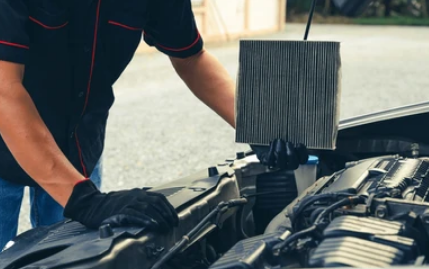
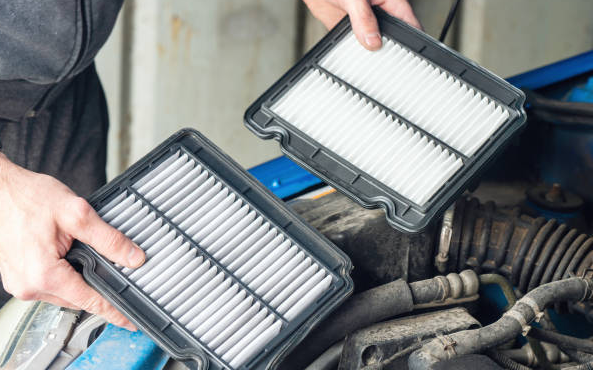
Open the housing using clips or screws. Remove the old filter carefully and note its position. If it’s dark and clogged, replace it.
Wipe the inside of the airbox with a dry cloth. Do not use water.
Insert the new filter in the same orientation, making sure it sits flat and seals properly. Close the housing securely and shut the hood.
That’s it.
Benefits of Replacing the Air Filter
A new air filter improves acceleration, increases fuel efficiency, protects the engine from dust, and saves money on unnecessary labor charges. It’s one of the best beginner DIY maintenance tasks.
Common Mistakes to Avoid
Do not install the filter upside down. Do not leave the airbox loose. Do not clean paper filters with water or compressed air. Do not confuse the engine air filter with the cabin air filter.
Final Takeaway
Changing your car’s air filter takes less than 10 minutes but makes a real difference in how your car runs. Do it regularly, and your engine will stay cleaner, smoother, and more efficient.
For more simple car maintenance guides, visit EngineDynamo.com.
By Engine Dynamo
Learn how to change your car’s air filter by yourself in minutes. Follow this simple step-by-step guide to improve your engine’s performance, fuel economy, and longevity.
Your car’s air filter might be small, but it plays a huge role in keeping your engine healthy. It filters out dust, debris, insects, and other particles from the air that enters your engine — ensuring clean, smooth combustion.
Over time, this filter gets clogged with dirt, which restricts airflow. The result? Lower fuel efficiency, weak acceleration, and even potential engine damage.
The good news is, changing your car’s air filter is one of the easiest maintenance tasks you can do yourself. In this Engine Dynamo guide, you’ll learn how to change your car’s air filter step by step — safely, quickly, and without visiting a mechanic.
1. What Does the Air Filter Do?
The air filter is a key part of your car’s intake system. It ensures that only clean air mixes with fuel inside your engine’s cylinders.
Here’s what a good air filter does:
- Stops dust, sand, and insects from entering the engine.
- Helps maintain the ideal air-fuel mixture for combustion.
- Improves fuel efficiency and engine performance.
- Reduces emissions and prevents engine wear.
If the filter is dirty, the engine struggles to breathe — like running while holding your breath.
2. When to Change the Air Filter
While most manufacturers recommend changing it every 12,000–15,000 km (or once a year), this depends on where you drive:
| Driving Condition | Change Interval |
| Clean city driving | Every 12,000–15,000 km |
| Dusty or rural roads | Every 6,000–8,000 km |
| High humidity areas | Every 8,000–10,000 km |
Warning signs your air filter needs replacement:
- Noticeable drop in mileage.
- Reduced acceleration power.
- Black smoke or rough idling.
- Dusty or oily filter appearance.
Checking your air filter takes less than a minute — and replacing it takes just five.
3. Tools and Materials You’ll Need
You don’t need any special tools for this task — just basic items:
- New air filter (specific to your car model)
- Screwdriver or socket wrench (if airbox uses screws)
- Microfiber towel or soft brush
- Gloves (optional)
4. Step 1: Park and Prepare
Start by parking your car on a level surface and turning off the engine.
Allow it to cool for 5–10 minutes, especially if you’ve just driven.
Pop the hood open and locate the air filter housing — usually a black plastic box near the top or side of the engine, connected to a large intake hose.
Tip: If you’re unsure, check your owner’s manual — it will show the exact location.
5. Step 2: Open the Air Filter Housing
- Some housings are secured with metal clips, while others use screws or bolts.
- Use your fingers or screwdriver to open it carefully.
- Lift the top cover — you’ll immediately see the rectangular or circular air filter inside.
Remember how the old filter sits — its orientation matters when installing the new one.
6. Step 3: Remove the Old Air Filter
Take out the old filter gently — don’t shake or knock it over the engine bay, as that can release dust into the intake.
Inspect the filter closely:
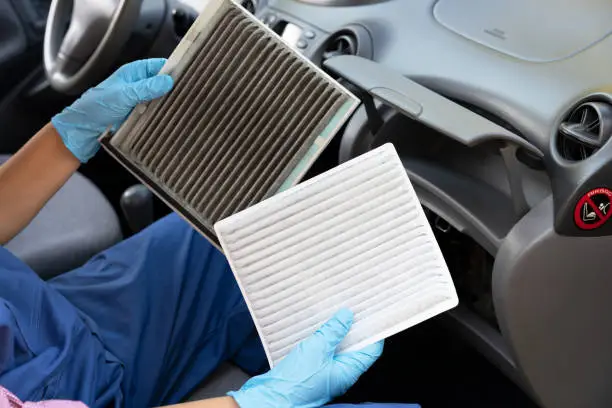
- If it’s dark gray or black, it’s time to replace it.
- If it’s slightly dirty but light in colour, you can tap it gently to remove surface dust.
Hold it up to the light — if you can’t see light through it, it’s clogged.
7. Step 4: Clean the Air Box
Before inserting the new filter, clean the inside of the air filter housing:
- Wipe the bottom and edges with a dry microfiber towel.
- Use a soft brush or handheld vacuum to remove leaves or sand.
- Do not use water or liquid cleaners — moisture inside the air box can damage the mass airflow sensor (MAF).
This step keeps the new filter clean for longer.
8. Step 5: Install the New Air Filter
- Place the new filter in the same position and direction as the old one.
- Ensure it fits snugly and evenly inside the air box — no gaps or bends.
- The rubber or foam edges should seal tightly.
Double-check that the filter sits flat before closing the lid — an uneven fit lets dust bypass the filter.
9. Step 6: Close the Air Filter Housing
- Reattach the cover and secure all clips or screws.
- Ensure no tools or rags are left inside the engine bay.
- Reconnect any air hoses or clamps if you disconnected them.
Once everything’s secure, close the hood — and you’re done!
It’s that easy to give your engine cleaner air to breathe.
10. Benefits of Changing the Air Filter Yourself
Replacing your air filter yourself takes 5–10 minutes but offers huge benefits:
- Improved acceleration and throttle response
- Better fuel economy
- Longer engine life
- Saves money — mechanics often charge extra for a 2-minute job.
- Cleaner emissions — less unburned fuel and carbon buildup.
It’s one of the best beginner DIY car maintenance habits you can learn.
11. Extra Tips for Air Filter Maintenance
- Always use OEM or high-quality aftermarket filters.
- Avoid washing paper filters — replace them instead.
- For reusable performance filters (like K&N), clean and re-oil every 15,000 km.
- Check both engine air filter and cabin air filter separately — they serve different functions.
- Label the date and mileage on the airbox to track your next replacement.
Keeping a small maintenance log helps you stay consistent.
12. Common Mistakes to Avoid
Avoid these rookie errors that could affect performance or damage your engine:
- Installing the filter upside down.
- Forgetting to secure the housing lid properly.
- Leaving debris in the airbox.
- Using compressed air to clean paper filters (can tear fibers).
- Mixing up cabin air filter with engine air filter.
Proper attention ensures your car gets clean, unrestricted airflow every time you drive.
A Simple Job That Makes a Big Difference
Changing your car’s air filter is one of those small maintenance tasks that delivers big rewards. It improves fuel economy, boosts performance, and protects your engine from dust and damage — all for a few minutes of your time.
You don’t need a mechanic. Just the right filter, a screwdriver, and a little care.
Make this simple habit part of your regular car care routine — your engine will breathe easier, perform better, and thank you with smoother drives.
For more expert car maintenance tutorials, cleaning guides, and performance tips, visit EngineDynamo.com — your trusted source for car care knowledge.