
How Does the ABS Braking System Work? A Real, Human Explanation
I still remember the first time ABS kicked in on me. Wet road, sudden stop, foot slammed on the brake like my life depended on it. The pedal started rattling under my foot, there was this ugly grinding noise, and my brain immediately went, “That can’t be good.” Every instinct told me to lift my foot. That moment right there is why ABS exists—because what feels right to a human is often exactly what makes things worse.
ABS stands for Anti-lock Braking System, and despite how mysterious it sounds, its entire job is painfully simple: stop your wheels from locking up when you brake hard. Locked wheels slide. Sliding means no steering. No steering means you’re just a passenger, hoping friction saves you. ABS is what keeps you in control when panic sets in.
Before ABS became common, emergency braking was basically a gamble. Drivers were taught to “pump the brakes” during a skid, manually releasing and reapplying pressure to keep the wheels rolling. Some people got good at it. Most didn’t. ABS automates that process and does it faster than any human ever could.
Here’s the core idea that most explanations skip over: a tire has the most grip when it’s rolling and just about to slip—not when it’s fully locked. ABS lives in that narrow sweet spot. It constantly walks the line between maximum braking force and traction loss.
To pull this off, ABS relies on a few key components working together quietly in the background.
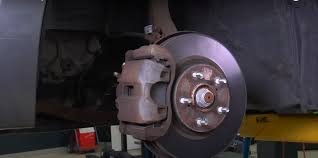
First, each wheel has a wheel speed sensor. These sensors constantly report how fast each wheel is rotating. Under normal conditions, all four wheels slow down together when you brake. But during hard braking, especially on slippery surfaces, one or more wheels may start slowing down much faster than the others. That’s the system’s early warning sign.
The moment the ABS computer senses that a wheel is about to lock, it steps in. And this is where people get it wrong: ABS does not slam the brakes harder. It actually releases brake pressure—slightly and briefly—on that specific wheel. Then it reapplies pressure. Then releases again. Over and over. This cycle can happen 10 to 20 times per second, sometimes more.
That rapid pressure modulation is why the brake pedal vibrates or pulses under your foot. It feels violent. It sounds mechanical. And it freaks people out. But that vibration is literally the system saving you from losing control.
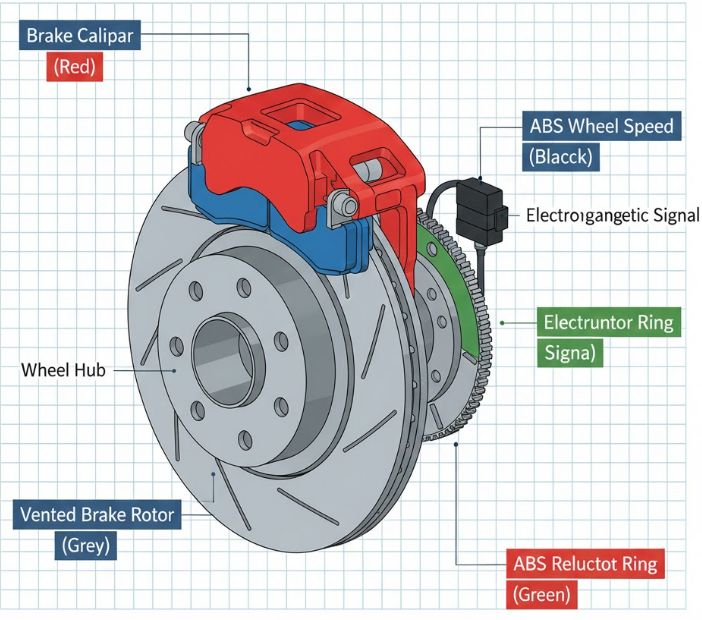
Inside the ABS unit is a hydraulic control module packed with solenoid valves and a pump. When ABS activates, these valves open and close rapidly, adjusting brake fluid pressure with insane precision. The pump keeps pressure available so the system can reapply braking force instantly after releasing it. All of this happens without you doing anything other than pressing the brake pedal and keeping it pressed—which is important. ABS only works if you don’t let go.
One of the biggest myths about ABS is that it makes your car stop faster. That’s not always true. On dry pavement, a skilled driver without ABS can sometimes stop slightly shorter. But that’s not the real point. ABS is about control, not just distance. It allows you to brake hard and steer at the same time. Without ABS, once the wheels lock, steering input is basically useless.
This is why ABS shines in real-world emergencies, not perfect test conditions. Think uneven roads, potholes, gravel patches, oil slicks, rain, snow—real surfaces with mixed traction. ABS can independently control each wheel, adapting on the fly. One wheel on ice, one on asphalt? ABS handles it. Your foot can’t.
Here’s something most people don’t realize: ABS doesn’t prevent all skids. It only prevents skids caused by braking. If you’re going too fast into a corner and exceed tire grip, ABS can’t rewrite physics. It helps during braking, not poor judgment.
Another misconception is that ABS means you should pump the brakes. That advice died decades ago, but it refuses to stay buried. With ABS, you press the brake firmly and hold it. Let the system do the pumping. If you lift your foot, you’re actually interrupting the process and increasing stopping distance.
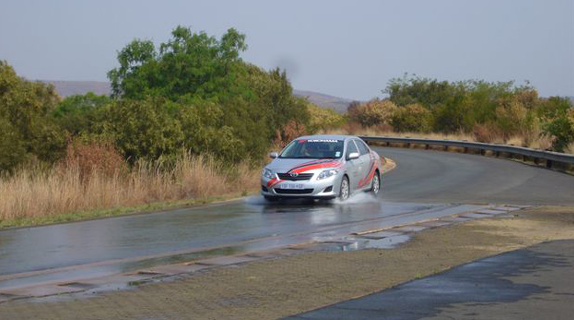
ABS also doesn’t activate during gentle braking. If you’re slowing normally, you’ll never feel it. It only kicks in when the system detects imminent wheel lock—usually during panic stops or slippery conditions. That’s why some drivers think their ABS is “broken” because they’ve never felt it. In reality, they’ve just never needed it.
Modern ABS systems are tied into other safety features like traction control and electronic stability control. They all share sensors and data. ABS manages braking. Traction control prevents wheel spin during acceleration. Stability control helps correct oversteer and understeer. Together, they form a safety net that quietly fixes mistakes before you even realize you made them.
When ABS fails, which is rare but possible, your brakes still work—but you lose the anti-lock function. The warning light comes on for a reason. It’s telling you that in an emergency, you’re back to old-school braking, where locked wheels are very much on the table.
Here’s the blunt truth most car manuals don’t say out loud: ABS doesn’t make you a better driver. It makes mistakes less catastrophic. It buys you time. It gives you options. And in moments where fractions of a second matter, that’s everything.
If you’ve ever felt that shudder through the pedal and fought the urge to lift your foot, congratulations—you experienced ABS exactly as intended. It wasn’t breaking your car. It was keeping your tires alive and your steering wheel useful.
Once you understand that, the noise and vibration stop feeling scary. They start feeling reassuring. Like the car saying, “I’ve got this—just keep your foot down.”
That’s ABS. Not magic. Not marketing. Just physics, hydraulics, and very fast decisions working together when humans panic.