

So I’m driving down the highway last month and a truck in front of me just absolutely demolishes a puddle, covering my entire windshield in muddy water. Can’t see anything. Hit the washer button and… nothing. Like literally nothing comes out. Just the pathetic sound of the pump trying and my wipers smearing mud everywhere making it worse.
Had to pull over on the shoulder and clean my windshield with a gas station napkin like a caveman. Sitting there on the side of I-95 with trucks blasting past me wiping my windshield by hand while questioning every decision that led me to this moment. Super fun experience highly recommend.
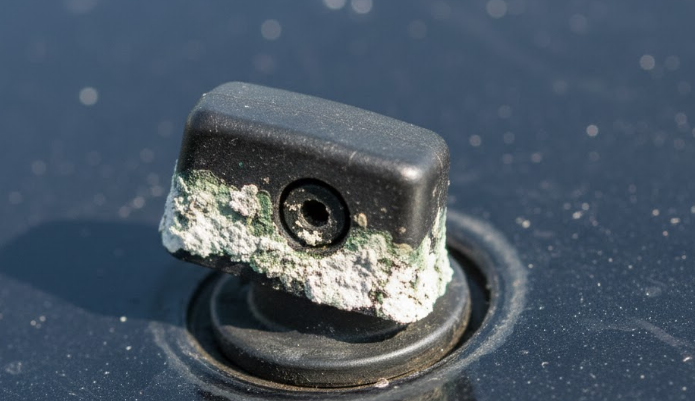
Turns out both my nozzles were completely clogged. Had been for weeks probably but I only noticed when I desperately needed them. Because of course that’s when you find out stuff’s broken – never when you’re just casually testing things in your driveway.
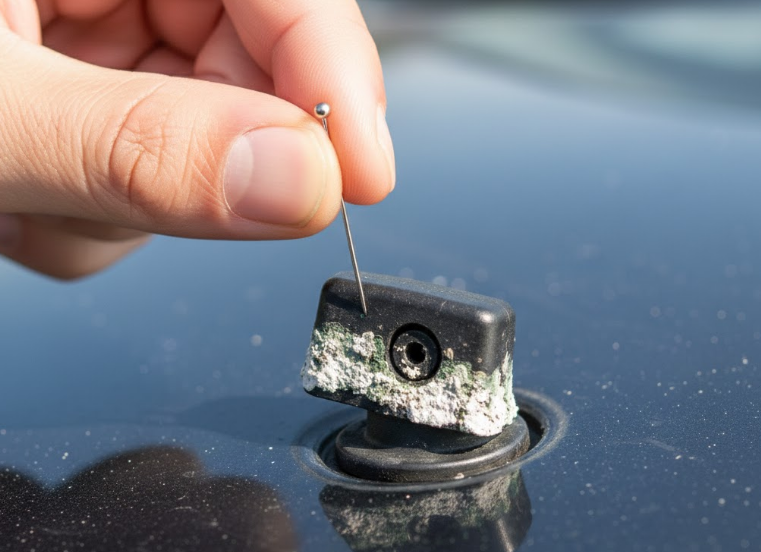
Spent that evening hunched over my hood with a pin trying to unclog these stupid little nozzles in the dark because I’m too impatient to wait until morning. Got washer fluid all over myself. Probably looked insane to my neighbors. But I got them working again and learned way too much about windshield washer nozzle maintenance in the process.
Let me share what I’ve figured out about keeping these things from clogging because apparently this is something you actually have to maintain. Who knew? Not me until recently.
Why They Even Clog In The First Place
Okay so windshield washer nozzles are these tiny little holes that spray fluid. The holes are REALLY small. Like smaller than you’d think. Which means basically anything can clog them.
Mineral deposits – this is the big one. Washer fluid is mostly water with some detergent and alcohol. Water has minerals in it. Those minerals build up over time in the tiny nozzle openings and eventually block them completely.
I live in an area with really hard water and my nozzles clog constantly from mineral buildup. It’s this white crusty stuff that forms around and inside the nozzles. Looks like the crusty stuff on your shower head but smaller and more annoying.
Dirt and debris – road grime, dust, pollen, dead bugs, whatever. All that stuff floating around gets into your washer fluid reservoir and eventually makes its way to your nozzles. The filter’s supposed to catch it but filters aren’t perfect.
I once found a dead spider in my washer fluid reservoir. Not sure how it got in there. But it explained why my nozzles kept clogging. Little spider bits were probably flowing through the system. Gross.
Crystallized washer fluid – cheap washer fluid or old washer fluid can crystallize and form gunk. Especially if you let it sit for months or mix different types.
My dad used to just refill his reservoir with whatever blue liquid was cheapest. Mixed summer fluid with winter fluid with rain-x fluid all in there together. It formed this weird sludge. His nozzles were constantly clogged and he couldn’t figure out why.
Frozen fluid – if you live somewhere cold and use summer washer fluid in winter, it can freeze in the nozzles. The ice expands and can actually damage the nozzles.
Did this my first winter up north. Didn’t know there was winter-specific washer fluid. Tried to use my washers one morning and they were frozen solid. Cracked one of the nozzles. Had to replace it. Learned that lesson the expensive way.
Manufacturing defects – sometimes nozzles are just bad from the factory. Holes drilled wrong, sharp edges that catch debris, whatever.
I had a car where one nozzle clogged constantly no matter what I did. Finally replaced it with an aftermarket one and the problem stopped. The original was just poorly made.
The Preventive Stuff That Actually Works
Best way to deal with clogs is not getting them in the first place. Easier said than done but here’s what’s helped me:
Use good quality washer fluid – don’t buy the cheapest possible junk. Spend an extra dollar per gallon on decent stuff. It has better additives that prevent buildup and crystallization.
I switched from dollar store washer fluid to Rain-X or Prestone and my clogging problems decreased dramatically. Not eliminated but way better. The cheap stuff is just water with blue dye basically.
Change your fluid seasonally – summer fluid in summer, winter fluid in winter. Don’t mix them. Drain the old stuff before switching seasons.
I know this sounds excessive but it really does help. The different formulations don’t play nice together. Plus old fluid sitting in your system for a year gets nasty.
How to drain: just keep spraying your washers until the reservoir’s empty before refilling with new fluid. Or get under the hood and disconnect the hose at the reservoir and drain it into a bucket. Either works.
Add a splash of vinegar occasionally – like once every few months add a cup of white vinegar to your washer fluid reservoir. It helps dissolve mineral deposits before they become a problem.
My mechanic told me this and I thought it was old wives’ tale nonsense. Tried it anyway. My nozzles have stayed clearer since I started doing it. Might be coincidence but I’m sticking with it.
Don’t overdo the vinegar though. Too much can damage rubber seals and hoses. Like 1 cup per full reservoir is plenty.
Clean the nozzles monthly – takes 30 seconds. Just wipe them off with a damp cloth when you’re washing your car or getting gas. Removes surface buildup before it becomes internal buildup.
I try to remember to do this but honestly I forget most of the time. When I do remember it helps though. The outside gets crusty too and that crust can work its way inside.
Use a reservoir filter – some cars have these, some don’t. If yours doesn’t you can add an inline filter in the washer hose. Catches debris before it gets to the nozzles.
Haven’t personally done this but my friend did and swears by it. He had chronic clogging issues until he added a filter. Now his nozzles stay clean. Costs like $10 and takes 15 minutes to install.
Keep your reservoir clean – once or twice a year drain it completely and rinse it out. Gets rid of accumulated crud at the bottom.
I pulled my reservoir out once and there was like an inch of sludge at the bottom. Just nasty dark gunk. No wonder my nozzles kept clogging. Cleaned it out thoroughly and things improved.
Don’t let it run empty – running your washer pump with no fluid can damage the pump and introduce air into the lines. Air bubbles can contribute to future clogging somehow. I don’t understand the physics but that’s what I’ve been told.
Plus an empty reservoir means you’re not regularly flushing the system which lets crud accumulate.
How To Actually Unclog Them When Prevention Fails
Because prevention only goes so far and eventually you’ll get clogs anyway. Here’s what’s worked for me:
The pin method – get a sewing pin or safety pin or even a straightened paper clip. Gently poke it into the nozzle opening to break up the clog.
This is what I do first. Works like 70% of the time. Just be gentle – you don’t want to scratch or enlarge the nozzle opening because then the spray pattern gets messed up.
Poke around carefully, pull out any crud that comes out, spray some washer fluid to flush it, repeat until it flows freely.
I keep a sewing needle in my glovebox now specifically for this. Have to unclog my nozzles like every two months. Probably says something about my water quality or fluid choice but whatever.
Compressed air – if pin method doesn’t work, try blowing it out backwards. Disconnect the hose from the nozzle, attach an air compressor nozzle, blast air through from the hose side to push the clog out the nozzle opening.
I don’t have an air compressor so I’ve used one of those cans of compressed air for cleaning keyboards. Works okay. Not as powerful as a real compressor but better than nothing.
Be careful with pressure though. Too much can damage the nozzle or blow it off the hood completely. Ask me how I know. Had a nozzle go flying across my driveway once. Found it in the grass the next day.
Soak in vinegar – for really stubborn mineral clogs, remove the nozzles and soak them in white vinegar overnight. Dissolves mineral buildup like magic.
Takes more effort because you have to remove the nozzles which can be annoying depending on your car. But it works when nothing else does.
I’ve done this twice. Left the nozzles in a cup of vinegar on my kitchen counter overnight. Girlfriend was not impressed with me keeping car parts in the kitchen but it worked great.
Hot water flush – sometimes just running really hot water through the system helps. Not boiling but like hot tap water. Heat helps dissolve built-up gunk.
Fill your reservoir with hot water, let it sit for 10 minutes, spray it all out. Repeat a couple times. Then refill with fresh washer fluid.
Haven’t tried this personally because it seems like a pain but I’ve seen people recommend it online. Supposedly works for light clogs.
Use a nozzle cleaning tool – they make these tiny wire brush tools specifically for cleaning washer nozzles. Like $5 on Amazon.
I bought one and never used it because by the time it arrived I’d already unclogged my nozzles with a pin. But having the right tool probably makes it easier.
The nuclear option – replace them – if they’re really clogged or damaged, just replace them. Nozzles are cheap. Like $5-15 for a pair depending on your car.
I’ve replaced mine twice. Once because I cracked one with frozen fluid. Once because the nozzle was so clogged nothing would clear it and I got frustrated and just bought new ones.
Replacement is usually pretty easy. They either pop out, unscrew, or are held with a clip. YouTube your specific car to see how. Takes like 10 minutes.
The Seasonal Considerations Nobody Mentions
Different seasons create different clogging problems. Who knew windshield washer maintenance was seasonal? Not me until I experienced it.
Winter – freezing is the enemy – use winter washer fluid rated to at least -20F or whatever’s appropriate for your climate. Don’t cheap out and use summer fluid or water.
I mixed summer fluid with a bit of rubbing alcohol thinking I’d made DIY winter fluid. It still froze. Cracked a nozzle. Just buy proper winter fluid it’s not that expensive.
If your nozzles do freeze, don’t keep hitting the washer button trying to force it. You’ll burn out the pump. Let the car warm up naturally or use a hair dryer on the nozzles to thaw them.
Also in winter you get road salt buildup around the nozzles. That crusty white stuff. Wipe it off regularly or it’ll work its way inside and clog things.
Spring – pollen nightmare – pollen season means your windshield gets coated in yellow dust constantly. You’re using your washers way more which means going through fluid faster.
More usage = more opportunities for clogs. Check your nozzles more frequently in spring. Clean them weekly if needed.
Also refill your reservoir more often. Running it low lets crud settle and concentrate which increases clog risk.
Summer – heat and bugs – heat makes water evaporate faster from your washer fluid. The remaining concentrated fluid can get sludgy and clog things.
Plus bugs. So many bugs. Bug guts are remarkably good at clogging washer nozzles. That baked-on bug splatter has particles that get into the fluid when you spray and work their way to the nozzles.
Use bug remover washer fluid in summer. Actually works better than regular fluid for cutting through bug crud.
Fall – leaf gunk – falling leaves and tree sap create this weird organic gunk that coats everything. Gets in your washer fluid somehow.
I’ve noticed more clogging in fall than other seasons. Something about decomposing leaf particles or tree sap I think. More frequent cleaning helps.
When The Problem Isn’t Actually The Nozzles
Sometimes you think your nozzles are clogged but the problem’s somewhere else in the system. Took me forever to figure this out.
Clogged reservoir filter – if your car has a filter in the reservoir and it’s clogged, no fluid reaches the nozzles. Seems like clogged nozzles but it’s actually the filter.
Clean or replace the reservoir filter. Might need to pull the reservoir out to access it depending on your car.
Clogged washer pump filter – some cars have a separate filter at the pump. Same issue – clogged filter means no flow.
Kinked or damaged hoses – the hoses that carry fluid from reservoir to nozzles can get kinked, cracked, or pinched. Restricts flow and seems like clogged nozzles.
I had a hose that was slightly kinked from when someone worked on my car. Took forever to figure out because I kept focusing on the nozzles. Finally noticed the kink and straightened it out. Problem solved.
Weak washer pump – if your pump’s dying it might not have enough pressure to push fluid through even slightly restricted nozzles. The nozzles aren’t really clogged, the pump just can’t overcome minor resistance.
Test by disconnecting a hose and seeing if fluid flows freely when you hit the washer button. If it barely dribbles out, your pump might be weak.
Air in the lines – if you let the reservoir run empty, air gets in the lines. Then even after refilling the pump has to push all that air out before fluid reaches the nozzles.
Can seem like clogs but really it’s just air. Keep spraying in short bursts until fluid comes out. Takes a minute for the air to clear.
Check valve stuck – some systems have check valves that prevent fluid from draining back. If stuck closed, no fluid flows.
This is rare but it happened on my old car. Washer worked fine for months then just stopped. Turns out a check valve in the line had stuck shut. Replaced it and everything worked again.
The DIY Cleaning Solutions That Actually Work
People have all kinds of home remedies for keeping nozzles clean. I’ve tried most of them. Here’s what actually works:
Vinegar mix – 1 cup white vinegar per gallon of washer fluid. Prevents mineral buildup. I do this regularly now.
Rubbing alcohol – small amount in your washer fluid helps prevent freezing in winter and keeps things flowing smooth. But don’t use this instead of proper winter fluid. Supplement not replacement.
Dish soap – tiny drop of dish soap in your reservoir supposedly helps cut through grime. Haven’t noticed much difference personally but doesn’t seem to hurt.
Windshield cleaner additive – products like Rain-X or similar added to your washer fluid. They have extra detergents and additives that keep things cleaner.
I like Rain-X washer fluid. Seems to keep my nozzles clearer and obviously beads water on the windshield which is nice.
What doesn’t work – straight water even though it’s cheap. Clogs things faster than proper fluid. Also freezes in winter obviously.
Mixing random chemicals hoping you’ll create super washer fluid. Just buy proper washer fluid it’s like $3 per gallon.
Using Windex or household cleaners in your washer system. They’re not designed for it and can damage seals and hoses.
Adjusting Nozzle Aim While You’re At It
If you’re already messing with your nozzles to clean them might as well adjust the aim so they actually spray where you want.
Most nozzles can be adjusted. They usually have a little ball joint that you can move with a pin or small screwdriver to change the spray direction.
Mine were aimed way too high. Like spraying over my windshield completely. Took 30 seconds to adjust them down to actually hit the glass.
The ideal aim is to have the spray hit about halfway up the windshield or slightly higher. Not at the very bottom where it doesn’t cover much. Not so high it sprays over.
If you have two nozzles they should overlap in the middle for even coverage. If you have one nozzle it should fan out to cover most of the windshield.
Play around with the aim. Adjust, test spray, adjust again until you’re happy. It’s reversible so don’t worry about messing it up.
I spent like 20 minutes fine-tuning mine and now my washer spray actually cleans my whole windshield instead of just the corners. Should’ve done this years ago.
Signs You Need New Nozzles Instead Of Cleaning
Sometimes cleaning isn’t enough and you just need new nozzles. Here’s when to give up and replace:
Cracked or broken nozzles – if they’re physically damaged no amount of cleaning helps. Just replace them.
Spray pattern is messed up – if they spray in weird directions or dribble instead of spray, the nozzle opening is probably damaged. Replace.
Constantly clogging – if you’re cleaning them every week and they keep clogging immediately, the nozzles probably have internal damage or defects. Replace.
Leaking – if they leak fluid when not in use or don’t seal properly, replace. That leak is wasting your washer fluid.
Can’t adjust aim – if the adjustment mechanism is broken and you can’t aim them properly, replace.
Nozzles are cheap. Don’t waste hours fighting with damaged ones. Just buy new ones and move on with your life. Your time is worth more than the $10 for new nozzles.
I wish I’d accepted this sooner instead of trying to resurrect dead nozzles multiple times. Would’ve saved myself so much frustration.
The Products I Actually Use Now
After all my trial and error here’s what I stick with:
Rain-X All-Season washer fluid – works well, doesn’t clog, smells decent, available everywhere. Not the cheapest but worth the extra dollar.
White vinegar from the grocery store – add a splash every few refills to prevent mineral buildup.
A sewing needle in my glovebox – for emergency unclogging. Free from my girlfriend’s sewing kit.
Prestone De-Icer fluid in winter – actually prevents freezing and clears ice effectively. Worth the premium price.
Generic windshield washer nozzles from Amazon – like $8 for a pair. Keep a spare set in my trunk for when I inevitably break one.
That’s it. Nothing fancy or expensive. Just decent fluid, occasional vinegar, and tools to unclog when needed.
Don’t overthink this. You don’t need special nozzle cleaning solutions or expensive additives. Just use good fluid and clean the nozzles occasionally.
Common Mistakes I Made That You Shouldn’t
Let me just list my failures so you can skip them:
Ignoring the problem – drove for weeks with one clogged nozzle thinking “eh I still have one working.” Then the second one clogged and I was screwed. Fix problems immediately.
Using straight water – thought I was being frugal. Just created more problems with clogs and freezing.
Forcing it – tried to force clogs out with too much pressure and damaged a nozzle. Be gentle.
Never cleaning the reservoir – let crud accumulate for years. Was basically pumping sludge through my system.
Mixing different fluid types – created weird chemical reactions and gunk. Stick to one type or fully drain before switching.
Not keeping spare fluid – ran out in the middle of nowhere and had to drive with a dirty windshield for 50 miles. Keep a bottle in your trunk.
Buying the cheapest possible nozzles – they broke immediately. Sometimes spending an extra $3 gets you way better quality.
Not testing after cleaning – cleaned the nozzles, put everything back together, then found out they still didn’t work. Test before reassembling.
Storing washer fluid in heat – left a jug in my trunk all summer. It turned into nasty sludge. Store washer fluid somewhere cool.
Real Talk About Maintenance Frequency
How often should you actually deal with this? Depends on your situation but here’s my experience:
Monthly – wipe off the outside of the nozzles when washing your car or getting gas. Takes 10 seconds.
Every few months – add some vinegar to your reservoir. Check that fluid is flowing properly.
Twice a year – drain and refill with seasonal appropriate fluid. Spring and fall.
As needed – unclog when they stop working. Could be never could be weekly depends on your water quality and driving conditions.
Yearly – clean out your washer fluid reservoir completely. Check hoses for damage.
I’m not always great about sticking to this schedule. Real life gets in the way. But when I do follow it I have way fewer clogging issues.
The key is just paying attention. If your washer spray seems weak or off-center, check it out. Don’t wait until you desperately need it and it doesn’t work.
When To Just Give Up And See A Mechanic
Most washer nozzle issues you can handle yourself. But sometimes you need professional help:
Pump is dead – if you’ve verified the nozzles are clear but still no fluid, the pump might be fried. Replacing washer pumps sucks. Let a mechanic do it.
Lines are frozen deep in the system – if fluid is frozen somewhere in the lines you can’t access, let a pro thaw it out properly.
Electrical issues – if the washer switch doesn’t work or there’s a wiring problem, that’s beyond most people’s DIY skills.
Can’t figure it out – if you’ve tried everything and it still doesn’t work, sometimes paying $50 for diagnostic is worth it versus wasting more time guessing.
Don’t have the right tools – if your nozzles require special tools to remove or your reservoir is buried under other components, might be easier to pay someone.
I’ve taken cars to mechanics for washer issues exactly twice. Once for a dead pump. Once for a weird electrical problem where the washers would spray randomly by themselves. Both times it was worth paying someone instead of fighting it myself.
The Bottom Line After Learning This The Hard Way
Windshield washer nozzles clogging is one of those annoying minor car problems that you don’t think about until it affects you at the worst possible time. Like when you’re on the highway and desperately need to clean your windshield and nothing works.
Prevention is way easier than fixing. Use good fluid, add occasional vinegar, keep things clean. Takes minimal effort and prevents most problems.
When they do clog – and they will eventually – it’s usually a 5-minute fix with a pin or needle. Don’t overthink it.
Replace nozzles if they’re damaged instead of trying to salvage them. They’re cheap. Your time isn’t.
And for the love of god use proper winter fluid if you live somewhere cold. I cannot stress this enough. Don’t be like me destroying nozzles with frozen summer fluid because I was too cheap to buy the right stuff.
Now if you’ll excuse me I need to go add vinegar to my washer fluid reservoir because I just realized I haven’t done that in like six months and I’m probably due for clogged nozzles again soon. The cycle never ends. Such is life with a car that sits outside in hard water country.
At least I know how to fix it now instead of ending up stranded on the highway shoulder wiping my windshield with napkins like a person who doesn’t have their life together. Progress I guess.