
How do I check coolant levels in my car? This is one of those basic car checks that sounds technical but really isn’t. You don’t need tools, you don’t need experience, and you definitely don’t need a mechanic just to look. The important part is doing it the right way, because coolant can be dangerous if you rush it.
First rule before anything else: never check coolant when the engine is hot. If you’ve just driven the car, let it cool down completely. Hot coolant is under pressure, and opening anything while it’s hot can cause serious burns. If you’re not sure, wait at least 30–45 minutes after turning the engine off.
Once the engine is cool, open the hood and look for the coolant reservoir. It’s usually a translucent plastic tank with markings on the side and a warning symbol on the cap. You don’t need to remove anything yet — just look at the side of the tank.
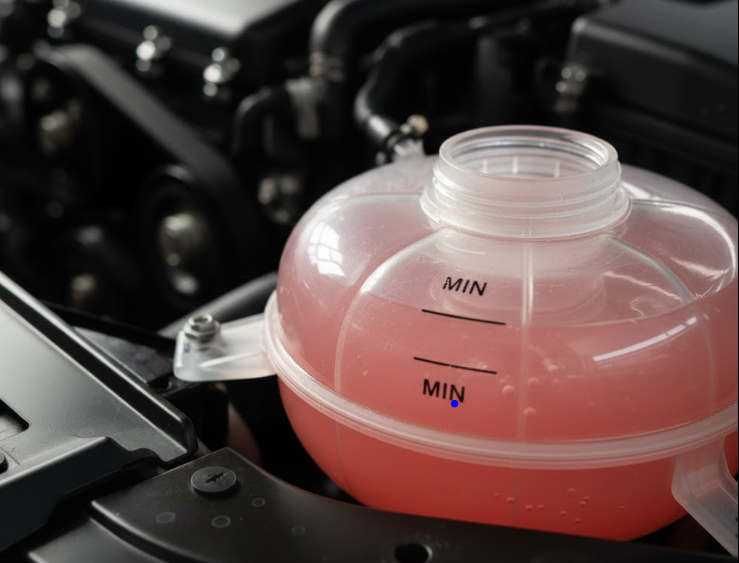
On the reservoir, you’ll see level markings.
• MIN or LOW
• MAX or FULL
The coolant level should sit somewhere between these two lines. If it’s closer to MAX, you’re good. If it’s near or below MIN, the coolant is low and needs attention.
In most modern cars, this reservoir is all you need to check. You don’t need to open the radiator cap unless your car specifically requires it, which is rare for newer vehicles.
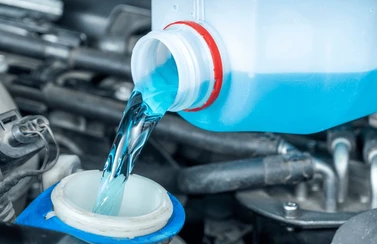
If the coolant is low, don’t just pour in anything you find. Use the correct coolant type recommended for your car. Mixing the wrong coolant can cause corrosion and cooling problems over time.
When topping up:
• Slowly add coolant to the reservoir
• Stop once it reaches just below MAX
• Don’t overfill
Overfilling can cause pressure issues and leaks when the engine heats up.
Pay attention to how often you’re topping up. Coolant doesn’t disappear quickly under normal conditions.
• If you’re refilling often, there may be a leak
• Check for puddles under the car
• Look for white residue around hoses or the radiator
Also, look at the coolant itself.
• It should be clean and brightly colored
• It should not look rusty, oily, or muddy
Dirty or milky coolant can point to bigger issues and shouldn’t be ignored.
One more important thing people forget: never open the radiator cap when hot. If you do need to open it (only when cold), twist it slowly and stand back. But again, most cars don’t require this for routine checks.
The simple takeaway is this: checking coolant levels takes less than a minute, costs nothing, and can prevent overheating — which is one of the fastest ways to damage an engine. It’s a small habit that saves big money.