
Lived in Phoenix for three years. Moved there from Oregon where it rains nine months a year and thought I knew what hot weather was. Turns out I knew absolutely nothing.
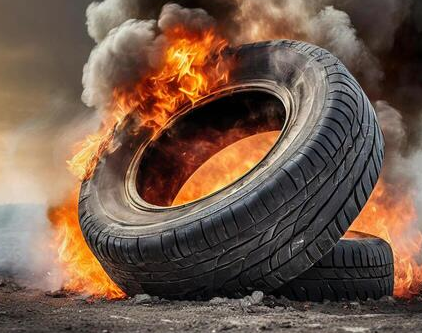
First summer there my tire blew out on the I-10 at like 2pm when it was 116 degrees. Scared the hell out of me. Thought I hit something but the tire shop guy said nope, heat probably killed it. The tire was already worn and the heat just finished it off.
That’s when I started paying way more attention to my tires in summer. Learned the hard way that heat absolutely wrecks tires, but not always in the obvious ways people think.
The Short Answer Is Yes But It’s Complicated
Heat damages tires but usually it’s a slow process, not an instant explosion. The rubber degrades over time from UV exposure and high temperatures. Eventually the tire gets weak enough that it fails.
Direct sun and hot pavement accelerate this aging process. A tire that might last 6 years in Seattle might only last 3-4 years in Arizona even if you drive the same amount.
The blowout I had wasn’t just from one hot day. It was months of Phoenix heat slowly destroying the rubber until one hot afternoon it finally gave out.
What Actually Happens To Rubber In Heat
Rubber is basically just a bunch of chemical bonds holding things together. Heat breaks down those bonds over time. It’s like leaving a rubber band in the sun – eventually it gets brittle and snaps.
Tires have additives and special compounds to resist heat damage, but they can only do so much. When you’re parking on 140 degree asphalt every day, the rubber is constantly being cooked.
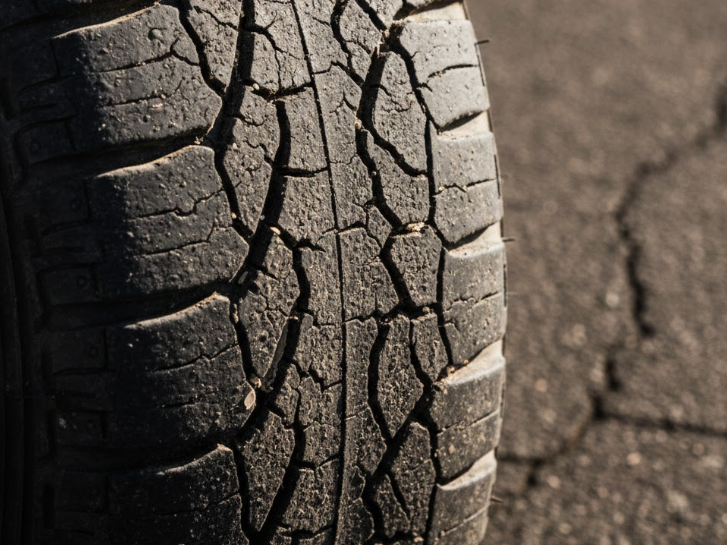
The sidewalls are especially vulnerable because they’re thinner and flex more. I’ve seen tires in Arizona with cracks all over the sidewalls from UV and heat exposure. They look dry and brittle.
My tires in Oregon never looked like that. They’d just wear down normally from driving. In Phoenix they wore down AND dried out at the same time.
The Pressure Thing Everyone Gets Wrong
Here’s what confuses people – tire pressure increases when it’s hot. You check your tires in the morning and they’re at 32 PSI, then check them after driving in the afternoon and they’re at 37 PSI.
People freak out and let air out. Don’t do this. That pressure increase is normal and expected. The tire is designed for it.
What’s actually dangerous is running UNDER-inflated tires in hot weather. When a tire is low on air it flexes more as it rolls. That flexing generates even more heat internally. Now you’ve got external heat from the pavement plus internal heat from flexing. That’s when blowouts happen.
I used to think overinflation from heat was the problem. Nope. Underinflation is way more dangerous in hot weather.
After my blowout I started checking my tire pressure every week in summer. If they were even 2-3 PSI low I’d add air immediately. Not taking chances.
How Hot Pavement Adds To The Problem
Asphalt can get to 160+ degrees in direct sun. Your tires are literally rolling on a surface hotter than boiling water.
This heats up the tire from the outside while friction heats it from the inside. Double whammy.
I had a temp gun and measured my parking lot pavement one July afternoon in Phoenix. It was 147 degrees. My car had been sitting there for like 6 hours. The tires were scorching hot to touch.
That’s not normal operating conditions for rubber. It’s basically accelerated aging happening every single day.
In Oregon the pavement never got that hot. Maybe 90-100 degrees on the hottest summer day. Big difference.
The UV Damage You Can’t See
Heat is one thing but UV radiation from the sun is a separate problem that also destroys tires.
UV breaks down the rubber compounds at a molecular level. You can’t see it happening but it’s making the tire weaker and more brittle over time.
This is why tires parked in the sun age faster than tires parked in a garage. Even if they’re not being driven, the UV is slowly killing them.
I started parking in covered parking after I learned this. Added probably a year to my tire life just by keeping them out of direct sun when possible.
Tire manufacturers add UV stabilizers to the rubber but they only work for so long. Eventually the sun wins.
My Friend’s Experience That Was Even Worse
My buddy also moved to Phoenix and within two months had TWO tires blow out. Not at the same time thankfully but still.
Turned out his tires were already 5 years old when he moved there. They were fine in Colorado but the Phoenix heat just demolished them immediately.
He ended up replacing all four tires because the other two were starting to show cracks. Cost him like $600.
His mistake was not checking the tire age before moving to a hot climate. Old tires and extreme heat is a really bad combination.
How To Check If Heat Is Damaging Your Tires
Look for these signs that heat is taking its toll:
Cracks in the sidewalls – Small cracks that run along the sidewall are UV and heat damage. If they’re deep or all over the place, tire is probably done.
Dry, faded rubber – Fresh tires are dark black. Heat-damaged tires look grayish and dull. The rubber looks dried out.
Uneven wear patterns – Heat can cause tires to wear weird if you’re running them underinflated. Check for excessive wear on the edges.
Bulges or bubbles – These are internal damage from heat breaking down the tire structure. Replace immediately.
Tread separation – Sometimes you can see the tread starting to separate from the tire body. This is bad and dangerous.
I do a visual inspection of my tires like once a month now. Just walk around the car looking for anything weird. Takes 30 seconds.
The Age Factor Is Huge In Hot Climates
Every tire has a DOT code stamped on the sidewall. Last four digits tell you when it was made. Like “3619” means the 36th week of 2019.
In moderate climates tires are generally good for 6 years, maybe 7-8 if barely used. In hot climates that drops to 4-5 years max.
I don’t care if the tread looks fine – if a tire is 5+ years old in Arizona I’m replacing it. Not worth the risk.
That blowout I had? Tire was 6 years old. Still had decent tread but the rubber was toast from heat exposure. Learned that lesson the hard way.
Now I track when my tires were made and replace them proactively in hot weather. Pain in the ass but cheaper than being stranded or having an accident.
The Load And Heat Connection
Another thing I learned – the more weight your car carries, the more heat your tires generate from flexing under load.
I helped my friend move in Phoenix in July. Truck was loaded heavy and we drove across the city in 112 degree heat. By the time we got there his tires were so hot you could barely touch them.
That’s a recipe for tire failure. Heavy load plus extreme ambient heat plus underinflation if you weren’t careful about tire pressure. Not good.
If you have to haul heavy stuff in hot weather, check your tire pressure before AND after. Make sure you’re at the recommended pressure for heavy loads (usually listed on the door jamb).
Highway Driving Makes It Worse
The faster you drive, the more heat your tires generate from friction. This is on top of ambient temperature.
I used to drive from Phoenix to San Diego pretty regularly. That drive is like 5-6 hours mostly at 75-80 mph through the desert when it’s 105+ degrees.
My tires would be crazy hot when I got there. Like uncomfortably hot to touch.
Multiple times I saw cars on the side of the road with blown tires on that route. I’m guessing a lot of it was heat-related failures.
Now if I’m doing a long highway drive in extreme heat I try to leave early morning when it’s cooler. Not always possible but it’s definitely easier on the tires.
What About Parking On Hot Surfaces
Some people worry about parking on hot asphalt damaging the tires just from sitting there. This is real but usually not a huge deal unless we’re talking extreme situations.
The tire isn’t generating internal heat from rolling so the main concern is just external heat from the pavement.
It ages the rubber faster for sure. But it’s not like your tire is going to melt or explode from sitting in a parking lot.
The bigger issue is if your tires are already marginal – old, underinflated, damaged, etc. Then parking on 150 degree asphalt for hours could be the thing that pushes them over the edge.
I avoid leaving my car in uncovered parking for extended periods in summer if I can help it. Not just for the tires but because the interior turns into an oven.
The Spare Tire Nobody Thinks About
Your spare tire is aging too even though it’s never used. It’s sitting in your trunk or under your car exposed to heat.
I checked my spare after living in Phoenix for two years. It was 8 years old based on the DOT code. The rubber looked terrible – cracked and dried out.
Great, so if I get a flat I’d be putting on a spare that’s probably not safe to drive on. Real helpful.
Replaced the spare with a new one. Also learned that spares need to be replaced every 6-8 years even if unused, less in hot climates.
How many people check their spare tire age? Basically nobody. But it matters.
Tire Pressure Monitoring Helps
Modern cars have TPMS that warns you when tire pressure is low. This is actually really valuable in hot weather because it catches underinflation before it becomes dangerous.
My blowout happened in a car without TPMS. I had no idea the tire was running low until it failed.
Now I have a car with TPMS and I pay attention when the light comes on. Usually means I’ve lost a few PSI and need to add air.
In hot weather tires lose pressure faster from heat cycling and small leaks. TPMS catches this before you end up with a dangerously underinflated tire generating excessive heat.
Still need to check manually though because TPMS doesn’t warn you until pressure is like 25% low. By then you’ve already been driving on underinflated tires.
What I Actually Do Now In Hot Weather
After dealing with the Phoenix heat for three years and having that scary blowout, here’s my routine:
Check tire pressure weekly in summer – I have a gauge in my car. Every Sunday morning I check all four tires when they’re cold. Takes 5 minutes.
Visual inspection monthly – Walk around looking for cracks, bulges, uneven wear, anything weird.
Keep tires properly inflated – Never let them run more than 2 PSI low. I’d rather have them slightly high than low in hot weather.
Park in shade when possible – Covered parking or shade prolongs tire life by keeping them out of direct sun.
Replace tires proactively at 4-5 years – In hot climates I don’t wait until they’re worn out. Age is more important than tread depth.
Avoid driving in extreme heat when possible – If it’s 115 degrees and I don’t have to drive, I’ll wait until evening. Not always realistic but I try.
These habits have kept me from having another tire failure in the last few years.
The Cost Of Dealing With Heat Damage
Replacing tires more frequently in hot climates costs more long-term. That’s just reality.
In Oregon I got 5-6 years out of tires easily. In Phoenix I was replacing them every 3-4 years.
That’s an extra $400-600 every few years just from living somewhere hot. Plus the peace of mind cost of worrying about blowouts.
On the other hand, a blowout at highway speed could total your car or kill someone. So replacing tires proactively is definitely worth it.
I budget for tire replacement as a regular expense now, not a surprise expense. In hot climates it’s just part of car ownership.
Different Tires Handle Heat Better
Not all tires are created equal when it comes to heat resistance. Some are specifically designed for hot climates.
Tires marketed for SUVs and trucks often have better heat resistance because those vehicles are heavier and generate more heat.
All-season tires generally handle heat better than summer performance tires because they’re designed for a wider temperature range.
The tires I have now are from a brand that supposedly does better in heat. Can’t say for sure if they last longer yet but they’ve been fine for two years.
I don’t know enough about tire compounds and engineering to recommend specific brands, but it’s worth asking about heat-resistant options if you live somewhere hot.
The Rental Car Sketchy Tire Situation
Every time I rented a car in Phoenix I’d check the tires before driving off. More than once I found tires that were clearly heat-damaged with cracks and worn out.
Rental companies run tires until they’re legally bald. In hot climates this is even sketchier because the tires are aging out faster than they’re wearing out.
I’d bring the car back and ask for a different one if the tires looked bad. Most people don’t check and just drive off.
If you’re renting a car in a hot climate, do a quick tire inspection before you leave the lot. Look for cracks, check the tread, make sure they’re not ancient.
When Heat Isn’t Really The Problem
Sometimes people blame heat for tire problems that are actually from other causes.
Hitting a pothole can damage the internal structure of a tire. It might fail days or weeks later and you think it’s heat damage when really it’s from impact damage.
Manufacturing defects exist. Some tires are just poorly made and fail prematurely regardless of temperature.
Driving on severely underinflated tires damages them even in cool weather. The heat just makes it fail faster.
Road debris, curb strikes, improper mounting – there’s lots of ways tires get damaged that have nothing to do with ambient temperature.
My point is don’t assume every tire problem in summer is from heat. Could be multiple factors or something completely unrelated.
The Bottom Line On Heat And Tires
Yes, high temperatures damage tires. They age rubber faster, create dangerous conditions for underinflated tires, and make existing problems worse.
If you live in a hot climate:
- Check tire pressure more frequently
- Replace tires based on age, not just tread
- Look for signs of heat damage like cracks and dry rubber
- Keep tires properly inflated at all times
- Park in shade when possible
- Don’t drive on old tires even if they look okay
If you live in a moderate climate you still need to care about this in summer, just not as obsessively.
The blowout I had was preventable. If I’d known then what I know now about heat and tire aging, I would’ve replaced that 6-year-old tire before it failed on the highway.
Don’t learn this lesson the expensive and scary way like I did. Just take care of your tires and replace them when they’re getting old, especially if you live somewhere hot.
Your tires are literally the only thing connecting your car to the road. Worth paying attention to them, especially when the weather is trying to destroy them.