
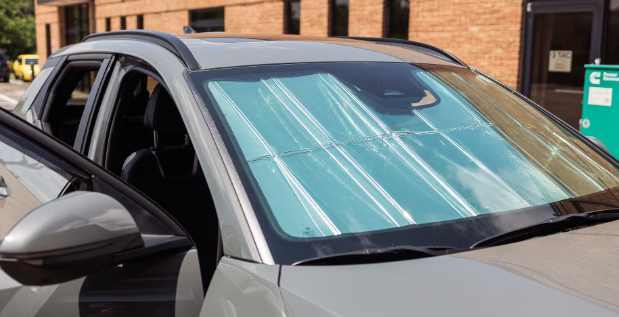
you’ve ever opened your car after it’s been parked under the midday sun, you know exactly what I mean. The interior feels like an oven, the steering wheel could burn your hands, and the seats… forget leather if you value your thighs. That’s when sunshades come into the picture. But are they actually effective, or are they just another accessory collecting dust in your trunk? The answer is yes—but only if you use the right type and understand their limits.
Sunshades work by reflecting sunlight away from your car’s interior. Most are made with reflective materials like aluminum foil or coated polyester. When sunlight hits your windshield, a lot of that energy gets absorbed by the dashboard, seats, and trim, transforming into heat. A sunshade blocks much of this energy, slowing down the interior from heating up. It’s not magic—it won’t make your car cold—but it makes it survivable when you get inside. Think of it like wearing a reflective hat on a scorching day.
How Effective Are Sunshades?
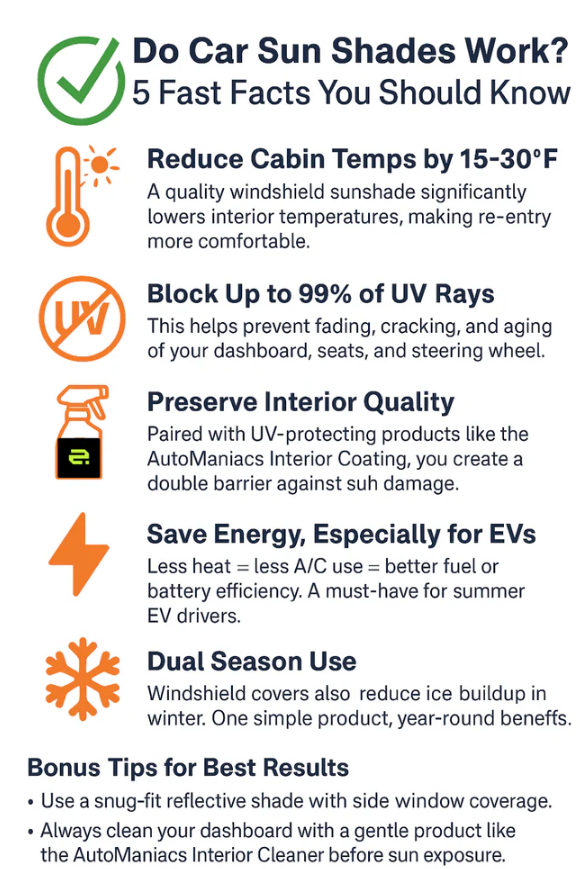
- A high-quality sunshade can reduce interior temperatures by 10–25°C (18–45°F) depending on fit, material, and sun intensity.
- Cheap, thin reflective sheets usually only reduce heat by about 5–10°C, barely noticeable on very hot days.
- Custom-fit accordion-style shades are the most effective because they cover the entire windshield without gaps.
- Side-window mesh shades reduce glare and block UV but are less effective at lowering overall heat.
Why Sunshades Matter Beyond Comfort
- Protect your interior: UV rays cause dashboards, leather seats, and plastic trim to crack, fade, and degrade over time.
- Preserve resale value: A well-maintained interior is easier to sell and retains more value.
- Reduce AC load: A slightly cooler cabin means your air conditioning doesn’t have to work as hard when you start driving.
- Immediate comfort: You avoid the initial heat shock when you first get into the car.
Common Mistakes People Make
- Thinking a sunshade will keep the car completely cool all day. It slows heating, but it doesn’t stop it.
- Buying cheap universal shades that don’t cover the windshield fully.
- Relying solely on a sunshade while parking in direct sun all day. Combining shading with strategic parking is essential.
Types of Sunshades and Their Pros & Cons
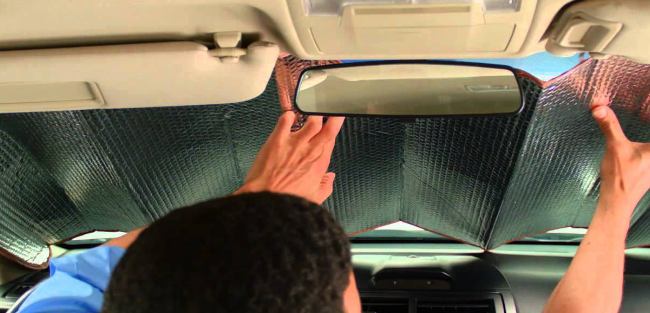
- Cheap reflective sheets: Lightweight, foldable, inexpensive, but minimal heat reduction.
- Custom-fit accordion shades: Expensive, bulky, but maximum coverage and effectiveness.
- Mesh side-window shades: Good for glare and UV, not as effective for heat, best used in combination with front windshield shades.
Practical Recommendations
- Always use a full-size reflective windshield shade if your car sits in the sun regularly.
- Use side-window shades if you live in a hot, sunny area or park all day outside.
- Park in shaded areas whenever possible to reduce heat buildup further.
- Remember, a sunshade protects your car over time—don’t skip it just because it seems trivial.
Bottom Line
Sunshades are effective, but only if you pick the right type and use them consistently. They don’t make your car cold—they slow the heating process, protect your interior, and improve comfort. People who use them swear by them; those who don’t regret it every summer. A sunshade is a small investment that pays off every day in comfort, protection, and even resale value.