
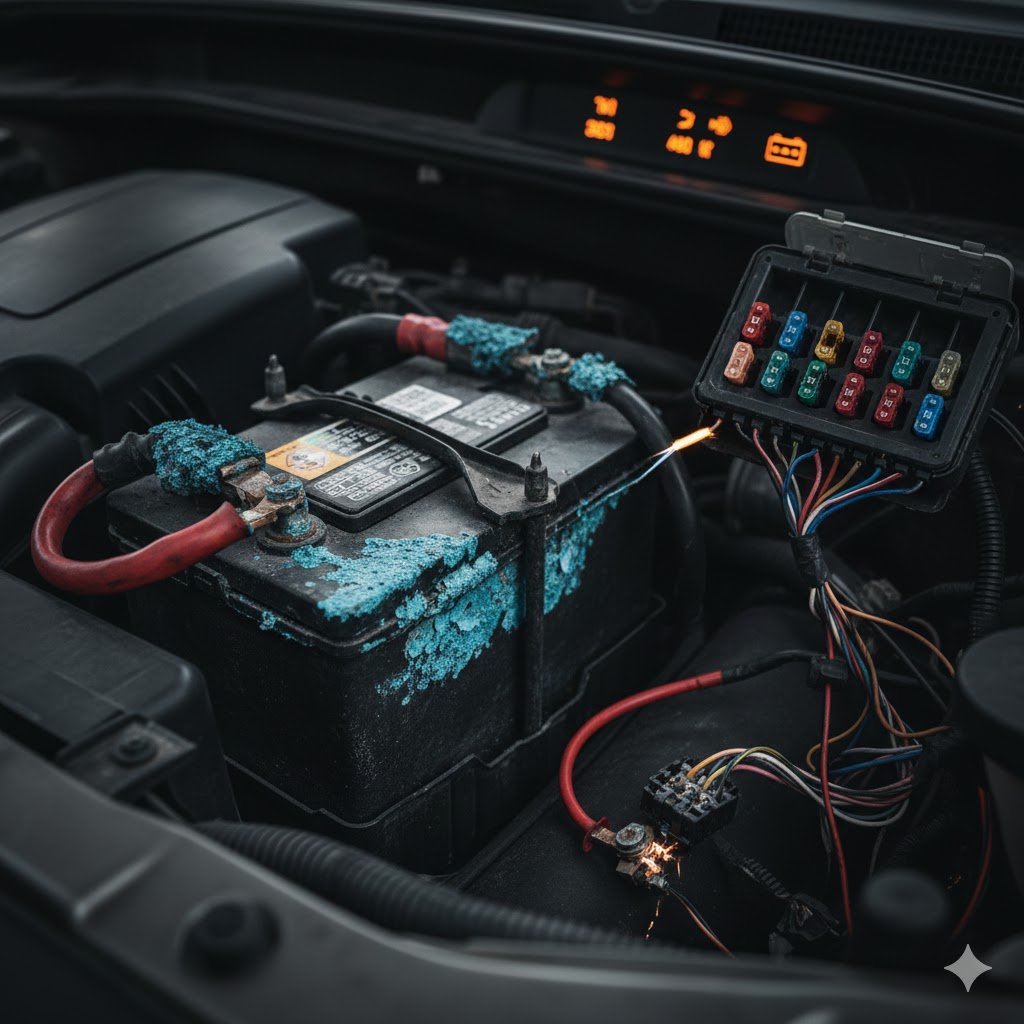
Modern cars run on electricity first and mechanics second. The engine, transmission, brakes, lights, infotainment — all of it depends on a stable electrical system. When something goes wrong, symptoms look random, but the causes are usually predictable.
Electrical issues don’t “suddenly happen.” They develop quietly, give warnings, and then fail when you’re least prepared. This guide breaks down the most common car electrical problems, how to recognize them early, and what they actually mean before you waste money replacing the wrong parts.
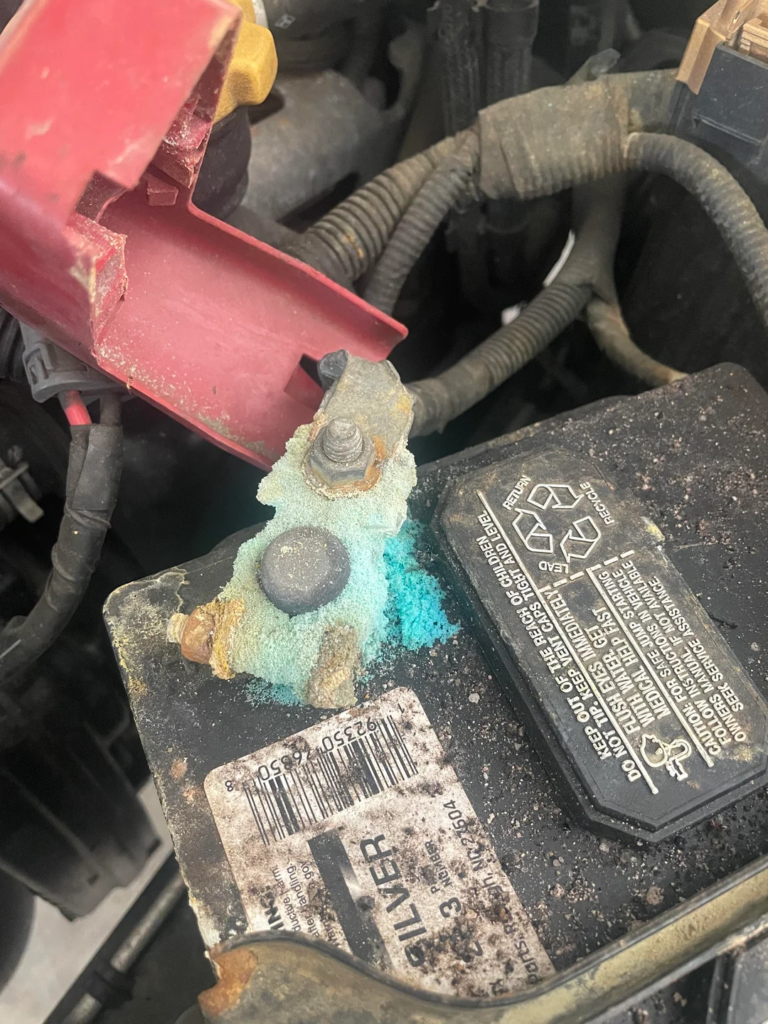
Dead or Failing Battery
The battery is the foundation of your entire electrical system. When it weakens, everything else starts acting strange.
Common Symptoms
- Car won’t start or starts slowly
- Dashboard lights flicker
- Electronics reset randomly
- Headlights dim at idle
Short trips, heat exposure, and leaving electronics on accelerate battery death. Most car batteries last 3–5 years — anything beyond that is borrowed time.
Ignoring a weak battery often leads people to blame starters, alternators, or ECUs. That’s how small problems turn expensive.
Alternator Failure
If the battery is the storage unit, the alternator is the generator. When it fails, the car runs purely on battery power — until it doesn’t.
Warning Signs
- Battery warning light on the dashboard
- Headlights dimming while driving
- Electrical features shutting off one by one
- Burning rubber or electrical smell
A failing alternator can overcharge or undercharge the system. Overcharging fries electronics. Undercharging kills the battery repeatedly.
If your car dies while driving and won’t restart, the alternator is a prime suspect.
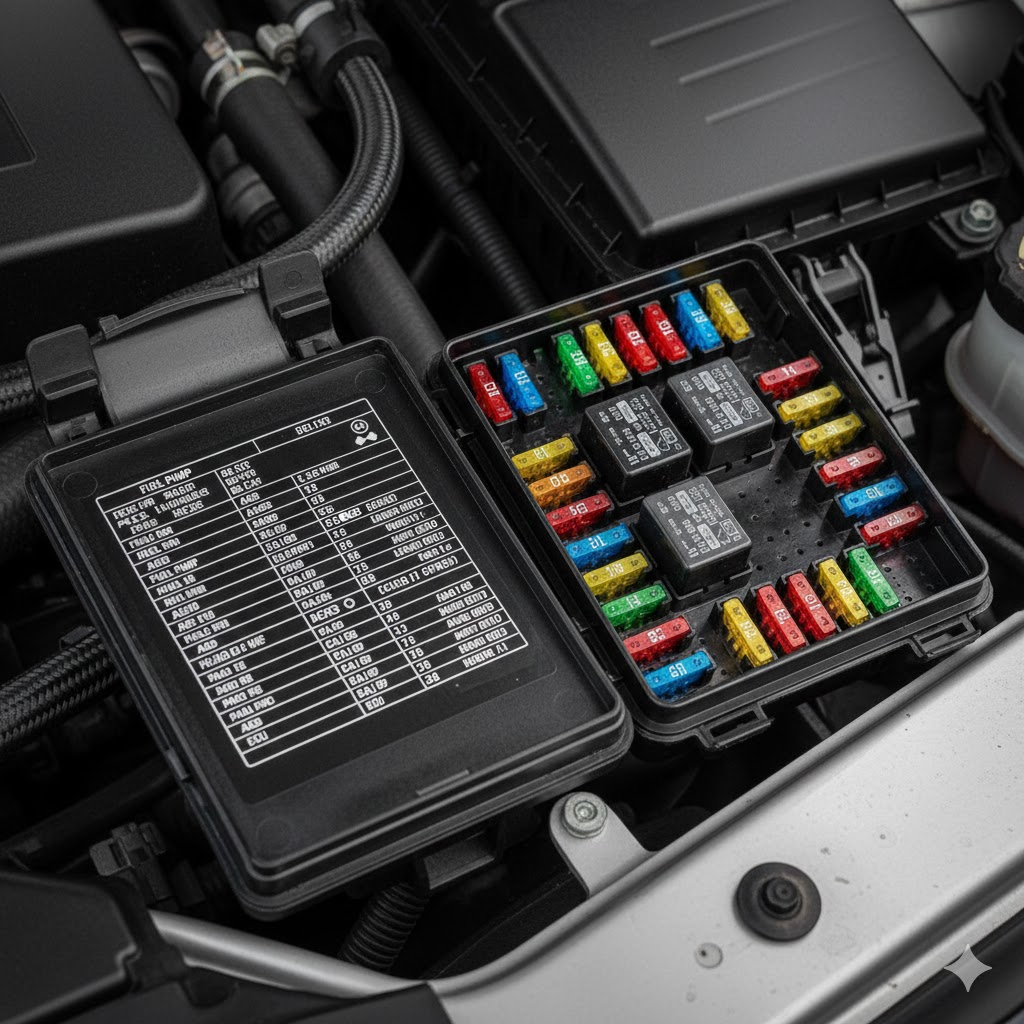
Blown Fuses and Faulty Relays
Fuses protect systems by sacrificing themselves. When they blow, something stops working — instantly.
Common Complaints
- Power windows stop working
- Radio or infotainment goes dead
- Fuel pump doesn’t prime
- Starter doesn’t engage
Relays are worse because they fail silently. A bad relay can mimic a dead fuel pump or ignition failure.
Always check fuses and relays before replacing components. Skipping this step is pure laziness.
Faulty Wiring and Ground Connections
Bad wiring causes the most confusing electrical problems because symptoms come and go.
Typical Signs
- Random warning lights
- Electronics working intermittently
- Car stalls when hitting bumps
- Burnt plastic smell
Ground connections are especially important. A loose or corroded ground can cause voltage drops across the entire system.
Heat, moisture, rodents, and vibration destroy wiring slowly. By the time the issue is obvious, the damage is already done.
Starter Motor and Solenoid Issues
When you turn the key and hear clicking — or nothing at all — the starter system is involved.
What the Sounds Mean
- Single click: solenoid problem
- Rapid clicking: weak battery or poor connection
- No sound: ignition switch or wiring fault
Starters fail gradually. If starting has felt sluggish for weeks, the warning was there — you ignored it.
Ignition Switch and Key Problems
The ignition switch controls power distribution to critical systems. When it fails, the car behaves possessed.
Symptoms
- Car stalls while driving
- Accessories work, engine doesn’t
- Key won’t turn or feels loose
- Dashboard goes dark unexpectedly
Modern key fobs and immobilizers add another failure point. A dead key battery can lock you out of your own car electronically.
Malfunctioning Sensors and Control Modules
Sensors feed data to the ECU. Bad data = bad decisions.
Common Electrical Sensor Failures
- Crankshaft position sensor
- Mass airflow sensor
- Throttle position sensor
- Coolant temperature sensor
When sensors fail, the engine may:
- Refuse to start
- Stall randomly
- Run rich or lean
- Trigger limp mode
People replace engines when a $30 sensor was the real issue.
Power Drain (Parasitic Battery Drain)
If your battery keeps dying overnight, something is staying on.
Common Causes
- Faulty interior lights
- Glove box or trunk light stuck on
- Aftermarket alarm or stereo
- Control module not going to sleep
Parasitic drain is slow and silent. By the time you notice, you’ve already killed multiple batteries.
Final Check
Electrical issues feel chaotic because people don’t understand the system — not because the system is chaos.
Most electrical problems fall into five categories:
- Battery
- Charging system
- Power distribution (fuses/relays)
- Wiring and grounds
- Control electronics
Random behavior has a cause. Warning signs always appear first. Ignoring them is what turns minor faults into major failures.
Learn to recognize electrical symptoms early, and you’ll stop treating your car like a mystery box — and start treating it like the system it actually is.