
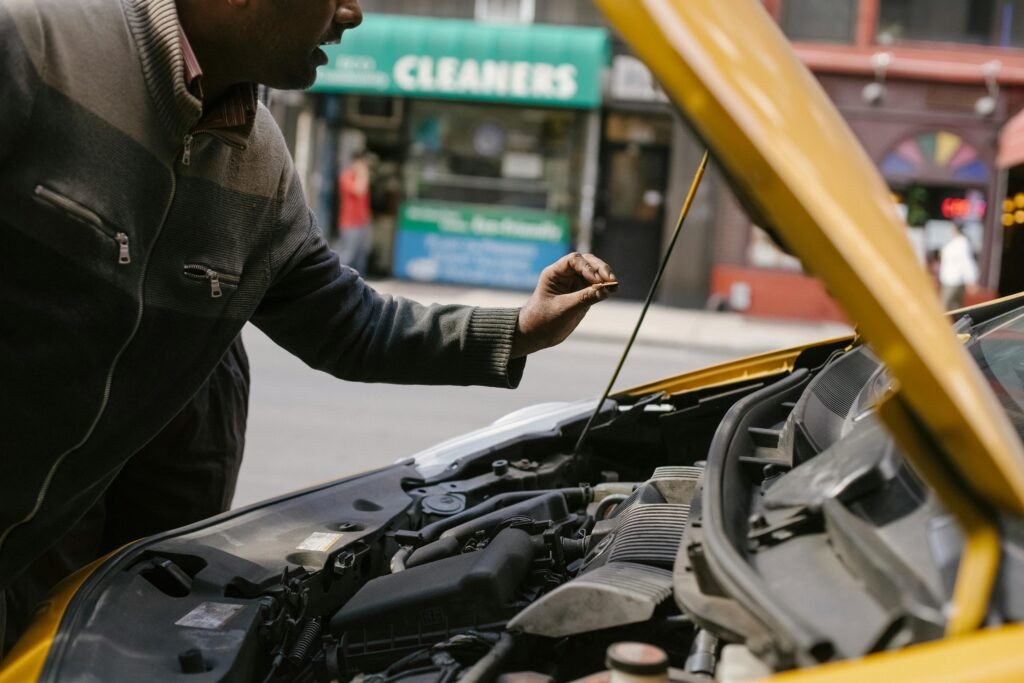
Be ready for anything on the road. Learn what to pack in a complete car emergency kit — from essential tools to life-saving gear — and drive with confidence wherever you go.
1. When the Unexpected Happens
Picture this: you’re driving late at night, far from the city lights. The rain begins to fall, and suddenly — a flat tire. The nearest service station? Miles away. Your phone battery is low, and there’s no signal. In moments like these, panic hits harder than the problem itself.
That’s when a well-prepared car emergency kit turns from “optional” to essential. It’s not about paranoia; it’s about being smart. Every driver — from new commuters to seasoned road trippers — should have one.
At Engine Dynamo, we believe preparedness is a driver’s most powerful tool. Your emergency kit isn’t just a box of supplies; it’s peace of mind on four wheels.
2. Why Every Driver Needs an Emergency Kit
Cars today are safer and more reliable than ever — yet the road remains unpredictable. A dead battery, a sudden storm, or a small accident can leave anyone stranded.
When that happens, having the right tools means you don’t have to rely on luck or wait helplessly for help.
A car emergency kit helps you:
- Stay safe while waiting for assistance.
- Fix small problems like a flat tire or dead battery.
- Survive harsh conditions if stuck for hours.
- Assist others who might be in distress.
Think of it as a personal roadside partner that’s always ready — even when technology or towing services aren’t.
3. Understanding the Purpose of a Car Emergency Kit
A complete emergency kit has three main goals:
1. Survival
You should be able to stay safe, hydrated, and warm until help arrives — especially in extreme weather or remote areas.
2. Repair & Recovery
You need basic tools and equipment to handle minor breakdowns or flat tires so you can get back on the road quickly.
3. Communication & Visibility
You must be able to alert others, signal for help, or power your phone when it matters most.
When you pack your kit, think of it as your “mobile safety station” — something that protects, empowers, and prepares.
4. Essential Items Every Car Emergency Kit Should Include
Let’s dive into what truly matters inside your kit — not just the basics, but why each item deserves its spot.
A. Basic Tools & Repair Gear
1. Spare Tire, Jack, and Lug Wrench
A flat tire is the most common roadside issue. Make sure your spare is inflated and accessible. The jack and wrench should fit your car’s design — check this before you actually need it.
2. Jumper Cables or Jump Starter
A dead battery can happen anytime, especially in cold weather. Jumper cables require another car, but a portable jump starter lets you revive your battery solo — a smart investment for every driver.
3. Tire Sealant or Inflator Kit
If your spare is damaged or you’re stuck in the rain, a tire sealant can temporarily patch punctures and get you moving.
4. Multi-Tool or Basic Toolkit
A compact multi-tool (with screwdriver, pliers, and knife) is perfect for quick fixes. You’ll be surprised how often it saves the day.
B. Visibility & Signaling Equipment
1. Flashlight (and Extra Batteries)
Night breakdowns are frightening without light. A durable LED flashlight helps you see and be seen. Rechargeable or hand-crank versions are ideal.
2. Reflective Warning Triangles or Flares
Set them up a few meters behind your car to warn oncoming traffic. This simple act prevents countless accidents every year.
3. High-Visibility Vest
If you must exit your vehicle, especially at night or on highways, a reflective vest keeps you visible from a distance.
4. Whistle or Emergency Horn
It sounds simple, but when your phone battery is dead or there’s fog, a whistle can alert rescuers faster than shouting.
C. First-Aid & Safety Supplies
1. Comprehensive First-Aid Kit
Include adhesive bandages, antiseptic wipes, gauze, medical tape, pain relievers, scissors, and gloves. You never know when minor cuts or injuries can occur during a roadside repair.
2. Emergency Blanket or Thermal Sheet
Lightweight and compact, these keep body heat in during cold nights or shock situations.
3. Hand Sanitizer & Disinfectant Wipes
Useful for cleaning hands after handling tools, or before eating.
4. Basic Medications
Store painkillers, allergy tablets, and motion sickness pills. Replace them every 6–12 months.
D. Comfort & Survival Essentials
1. Bottled Water (at least 1–2 liters)
Hydration is critical if you’re stuck for hours. Replace bottles periodically to keep them fresh.
2. Non-Perishable Snacks
Granola bars, nuts, or dried fruit provide energy without taking space.
3. Blanket or Extra Clothing
Weather changes fast — especially at night or in mountain areas. Keep a blanket, gloves, and poncho.
4. Umbrella or Rain Poncho
Protects you when changing a tire or waiting for help in bad weather.
5. Work Gloves
Prevent injuries and help with hot or dirty car parts.
E. Communication & Power Backup
1. Fully Charged Power Bank or Car Charger
Your phone is your lifeline — ensure you can recharge it anytime. A 10,000mAh or higher power bank is ideal.
2. Spare SIM Card or Emergency Contact Card
In remote areas, your main carrier might not have signal. Keep alternate contact info handy.
3. Portable Radio (Hand-Crank or Battery)
If power or network fails, an old-fashioned radio helps you stay updated on weather or emergency news.
F. Documentation & Identification
- Photocopy of License and Registration
Keep copies separate from originals in a waterproof pouch. - Insurance Information
Quick access helps when dealing with roadside services or accidents. - Emergency Contacts List
Not all rescuers can unlock your phone — paper backups help. - Small Cash Reserve
A few small bills can help when card systems fail or you need quick local help.
5. Seasonal and Regional Additions
Not all emergencies look the same. Adjust your kit to your environment:
Cold Climates:
- Ice scraper and snow brush
- Windshield washer fluid for freezing temps
- Hand warmers
- Shovel or traction sand
Hot or Tropical Regions (like South Asia):
- Extra drinking water
- Coolant bottle
- Sunshade or tarp
- Spare fuses and extra flashlight batteries (since heat drains them faster)
Long-Distance or Highway Drivers:
- Extra fuel-safe container (never keep it full inside the car)
- Tire pressure gauge
- Spare bulbs and fuses
- Small fire extinguisher (rated for electrical and fuel fires)
Every kit should match where you drive most often — highways, cities, or off-road routes.
6. Packing and Organizing Your Kit
A good kit is only useful if you can reach it fast.
- Choose the right container: A sturdy, waterproof plastic box or heavy-duty bag with compartments.
- Organize by function: Tools in one section, first-aid in another, survival items separate.
- Keep accessibility in mind:
- Tools and flashlight in trunk or under the seat.
- First-aid near the glove box.
- Emergency triangle near the trunk door for quick setup.
- Tools and flashlight in trunk or under the seat.
Pro Tip: Label or color-code sections with simple stickers — it saves seconds when you’re stressed.
7. How to React During a Real Emergency
A well-packed kit means nothing if panic takes over. Here’s what to remember when things go wrong:
- Stay Calm: Take a deep breath. Assess the situation.
- Move to Safety: If possible, pull to the shoulder or a safe zone.
- Turn on Hazard Lights: Alert other drivers immediately.
- Use Reflective Gear: Put on your vest before stepping outside.
- Set Up Warning Triangles: Place one 10–15 meters behind your car.
- Diagnose the Problem: Check the issue before using tools.
- Use Communication Devices: Call roadside assistance or emergency numbers.
If you’re stranded in extreme conditions (snow, desert, or heavy rain), stay inside the car unless it’s unsafe. Conserve phone battery and water.
8. Maintaining and Updating Your Kit
Your emergency kit isn’t “set and forget.” Like your car, it needs maintenance:
- Check every 6 months: Recharge batteries, rotate food and water, inspect tools.
- After every use: Replace anything used, even if it’s minor.
- Before long trips: Double-check coolant, flashlight charge, tire repair items, and cash.
You can even make it a ritual — check your emergency kit whenever you change engine oil.
9. The Peace of Mind That Comes With Readiness
You’ll rarely need your emergency kit — and that’s the point. It exists for the moments you least expect. The feeling of security it gives you is worth every item inside.
A simple flashlight could prevent an accident. A first-aid kit could stop an injury from getting worse. And a jumper cable could turn a ruined day into a 10-minute delay.
It’s not just preparation — it’s responsibility. Because a truly smart driver doesn’t just take care of the car; they take care of themselves and everyone with them.
10. Your Road Safety Starts Before the Engine Does
The best drivers don’t just react to emergencies; they plan ahead to avoid panic.
A complete car emergency kit turns unpredictable situations into manageable ones.
Whether it’s a sudden breakdown, a flat tire in the rain, or a highway delay, your preparedness defines your confidence.
So take an hour this weekend. Build your kit. Test your flashlight. Replace expired items.
You might never need it — but if you do, you’ll thank yourself for being ready.
Call to Action:
Stay safe, stay prepared, and stay confident with Engine Dynamo — your trusted partner for smarter driving habits, essential car care tips, and expert automotive knowledge built for real drivers.