
By Engine Dynamo
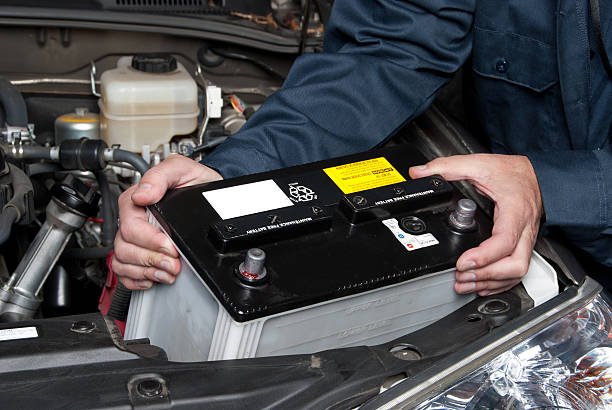
Let’s get real—your car’s battery might be small, but it’s basically the engine’s heartbeat. No battery, no start, no lights, no music, no security system, nothing. And yet, most drivers treat it like an afterthought… until one morning it dies on them. Ugh. That panic, that helpless staring at the dashboard… avoid it. You can keep your battery happy, healthy, and alive for five years or more with just a few minutes of attention every month. Here’s how to treat your battery like royalty.
Modern car batteries do way more than crank the engine—they power sensors, computers, lights, safety systems, basically everything electric in your car. Taking care of your battery stops no-start mornings, saves you money on early replacements, keeps electronics running smoothly, and extends life from 3 to 5+ years. A few small checks now = zero headaches later.
Catch issues before your battery quits. Slow engine crank means low charge or internal wear. Dim headlights point to a weak battery or alternator issue. Clicking sounds when starting usually mean poor connection or corroded terminals. Dashboard battery lights signal a charging system problem. Notice one of these? Don’t wait—check it immediately.
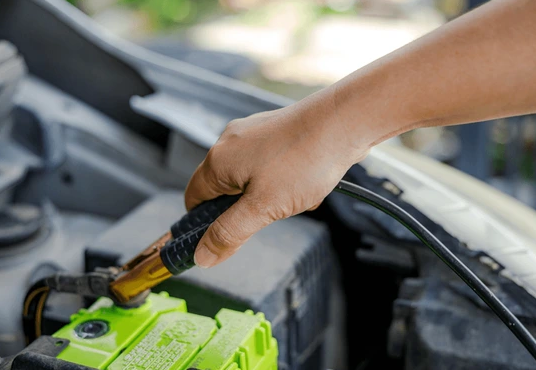
Corrosion is battery kryptonite—white, green, or blue powder kills electrical contact. Disconnect the negative terminal first, then positive. Mix baking soda with water into a paste, scrub gently with an old toothbrush, rinse, dry, and coat terminals with petroleum jelly or grease to prevent future buildup. Clean connections make starting smooth and stress-free.
Check battery voltage regularly with a digital multimeter. 12.6–12.8V means fully charged, around 12.4V is about 75% charged, 12.2V is weak and needs recharging soon, below 12.0V may need replacement. Test once a month or before long trips to avoid nasty surprises.
Vibration is brutal on batteries. Make sure it’s securely mounted—tighten clamps or brackets without overdoing it to avoid cracking the casing. Check mounts during every oil change or inspection. A stable battery lasts longer and performs better.
Short trips kill batteries slowly. If you drive short distances often, take your car on a 20–30 minute longer drive once a week or hook it up to a trickle charger. Batteries love consistent charge and usage.
Always turn off electronics before leaving the car. Headlights, fog lights, dome lights, infotainment, phone chargers—all off. This habit prevents slow drain that adds up faster than you think.
Your alternator keeps the battery charged while driving. A failing alternator can mimic a dead battery. Test with a multimeter while the engine runs; it should read 13.8–14.5V. Anything below 13V means the alternator isn’t charging properly. If the battery light glows while driving, check the charging system—it may not be the battery’s fault.
Extreme temperatures are brutal on batteries. Heat evaporates fluid, cold slows chemical reactions. Park in the shade during summer, use insulated covers in winter, and check electrolyte levels during seasonal service. Stable temperatures = longer, healthier life.
For non-sealed batteries, open cell caps carefully, ensure plates are covered with electrolyte, top up with distilled water only, stop at the fill line, and always wear gloves and eye protection. This prevents plate exposure and sulfation.
Even parked cars draw power. Start your car every 3–4 days or keep it on a smart charger when unused for long periods. Running engines naturally recharge the battery—no extra tools needed.
Every battery has an expiration date. Normally 3–5 years, shorter in extreme conditions. Check the manufacturing date and monitor batteries older than four years. Replace before failure, not after.
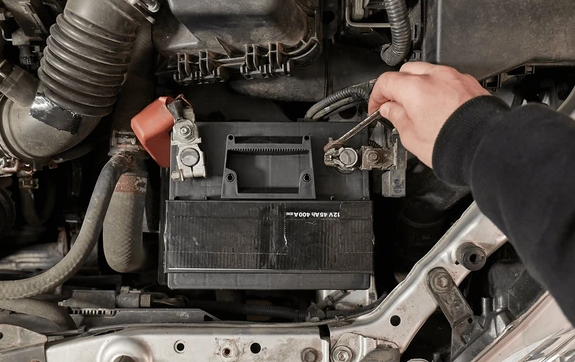
Avoid high-power accessories with the engine off, inspect cables and grounding points, clean the battery tray during replacements, keep jumper cables handy, and do a full system check once a year. Small habits = huge reliability boost.
Common mistakes: using tap water, ignoring minor corrosion, installing wrong-capacity batteries, leaving batteries unused without charging, mixing old and new batteries in hybrids. Avoid these and your battery will outlast the average lifespan.
Your battery is your car’s heart. Check, clean, charge, and protect it. Just a few minutes of monthly care prevents sudden failures, improves reliability, and extends life by years. Explore more expert maintenance guides, car-care tips, and troubleshooting tutorials on EngineDynamo.com—your trusted partner for smarter, stronger car performance.