
Which budget car has the best fuel economy? If you want the straight answer without hype, it comes down to small, light cars with simple engines. Bigger cars, turbo engines, and extra features almost always burn more fuel in real life, no matter what brochures claim. Based on real-world use, ownership experience, and running costs, here’s how budget cars actually stack up for fuel economy.
At the very top, the Suzuki Alto sits as the most fuel-efficient budget car overall. It wins because it’s built with almost no excess weight and a very small engine that doesn’t work hard in city traffic.
• Best city fuel economy in the budget segment
• Extremely light body
• Minimal fuel loss in stop-and-go driving
• Lowest running cost overall
This is the car people buy when fuel bills matter more than comfort. On highways it’s not exciting, but in daily city use, it uses less fuel than almost anything else in its price range.
Right behind it is the Toyota Yaris (also known as Vitz in some markets). It doesn’t beat the Alto in pure mileage numbers, but it comes very close while offering far better balance.
• Excellent fuel economy in both city and highway
• Very stable mileage over time
• Strong engine efficiency even at higher speeds
• Known for lasting years without fuel economy dropping
This is often the smartest choice for people who want low fuel consumption without sacrificing reliability or comfort. Over long ownership, it’s one of the safest bets.
Next comes the Honda Fit (Jazz). What makes this car impressive is how well it balances space and efficiency. It’s larger than the Alto and Yaris, yet still manages excellent mileage.
• Very efficient for its size
• Smooth engine that doesn’t need high revs
• Good mileage even with passengers
• Practical for daily and family use
If you want fuel efficiency but don’t want to feel cramped, this is where many people land.
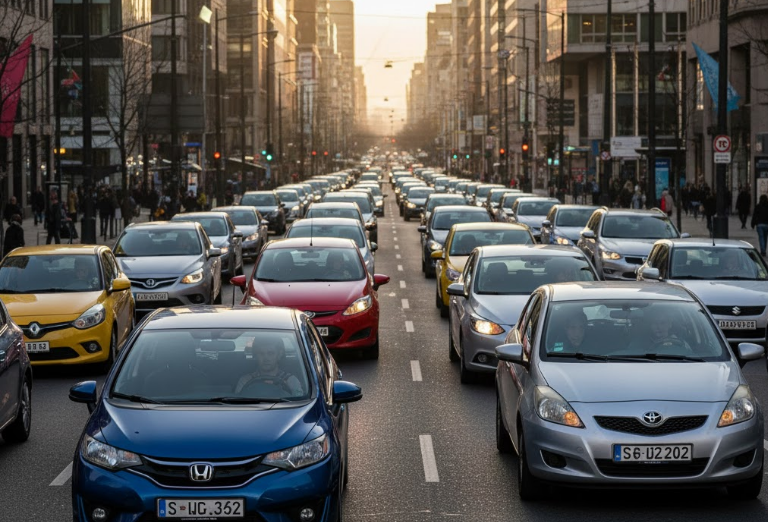
Following closely is the Hyundai i10. It doesn’t always top mileage charts, but in real-world driving it performs consistently, especially for people who drive normally and not aggressively.
• Good real-world fuel economy
• Efficient small engine
• Comfortable daily driving
• Modern design without heavy fuel penalty
It’s a strong choice if you want decent mileage with a more modern feel.
After that comes the Nissan Versa. Among budget sedans, this one offers some of the best fuel economy, especially on highways.
• Better highway mileage than small hatchbacks
• More stable at higher speeds
• Efficient for a sedan
In city traffic, it uses more fuel than smaller cars, but for mixed or highway-heavy driving, it’s a solid budget option.
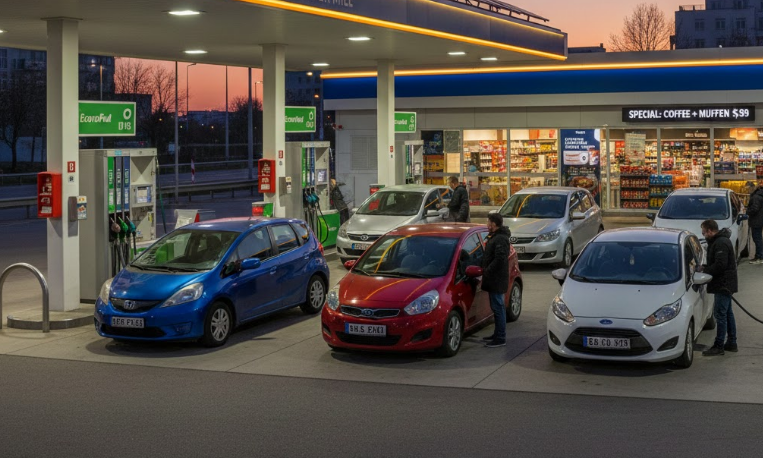
Here’s the key thing people overlook: fuel economy on paper is not the same as fuel economy in real life. Driving style, traffic conditions, tire pressure, and maintenance can change mileage more than brand choice alone.
Things that noticeably improve fuel economy no matter which car you choose:
• Smooth acceleration
• Keeping tires properly inflated
• Regular servicing
• Avoiding unnecessary weight
• Not pushing high RPM constantly
That’s why the same car can give very different mileage to two different drivers.
So if we strip this down to the clearest verdict possible:
• Lowest fuel consumption overall: Suzuki Alto
• Best balance of mileage and long-term reliability: Toyota Yaris
• Fuel efficiency with space and practicality: Honda Fit
• Consistent modern budget option: Hyundai i10
• Fuel-efficient budget sedan: Nissan Versa