

Hybrid cars are no longer a niche option for eco-enthusiasts. For daily use, they’ve become one of the smartest automotive choices available today. Rising fuel prices, heavy traffic, and the need for long-term reliability have pushed hybrids into the mainstream. But not all hybrids are equally good for everyday driving.
This guide focuses on real-world daily use, not marketing hype. We’ll look at why hybrids make sense, what actually matters when choosing one, and which models consistently perform best for commuters, families, and city drivers.
Why Hybrid Cars Are Ideal for Daily Driving
Daily driving is brutal on traditional petrol cars. Stop-and-go traffic wastes fuel, idling burns money, and short trips reduce engine efficiency. Hybrids solve these problems better than any other drivetrain.
Key advantages for daily use:
- Excellent fuel economy in city traffic
- Smooth, quiet driving at low speeds
- Reduced engine wear due to electric assistance
- No charging anxiety like full EVs
- Lower emissions without lifestyle changes
Unlike electric vehicles, hybrids don’t require charging stations or long planning. Unlike petrol cars, they don’t punish you for traffic.
What Actually Matters When Choosing a Daily Hybrid
Ignore flashy features for a moment. For daily use, these factors matter most:
1. Fuel Efficiency in Real Traffic
Hybrids shine in cities because they use electric power at low speeds and during braking. Look for models known for real-world mileage, not just lab ratings.
2. Reliability Record
Daily cars must start every morning. Brands with long hybrid experience (especially Toyota and Honda) dominate for a reason.
3. Maintenance Simplicity
A good hybrid should reduce maintenance, not complicate it. Proven hybrid systems last hundreds of thousands of kilometers with minimal issues.
4. Cabin Comfort and Practical Space
Daily use means traffic, heat, passengers, groceries, and potholes. Comfort matters more than performance numbers.
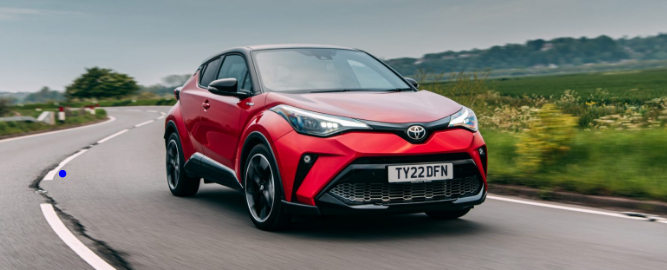
Best Hybrid Cars for Daily Use
1. Toyota Prius – The Gold Standard
The Toyota Prius is still the reference point for hybrids. It’s not exciting, but that’s exactly why it works.
Why it excels daily:
- Outstanding fuel economy, especially in cities
- Extremely reliable hybrid system with decades of refinement
- Low maintenance costs
- Smooth and quiet in traffic
The Prius is built for people who drive every day and want the lowest running cost possible without worrying about charging or mechanical drama.
Who should buy it:
Heavy city commuters, rideshare drivers, long-term ownership planners.
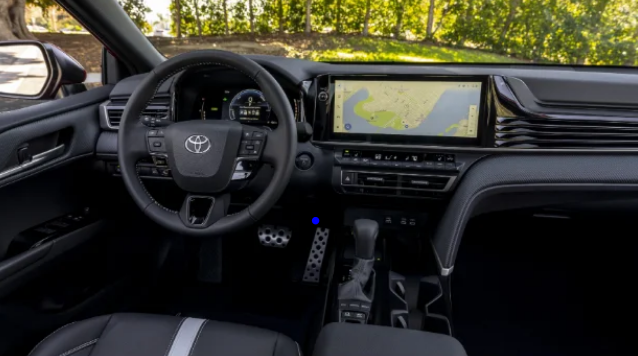
2. Toyota Camry Hybrid – Space Meets Efficiency
If the Prius feels too small or too minimal, the Camry Hybrid is the grown-up alternative.
Why it excels daily:
- Comfortable ride over bad roads
- Spacious interior for families
- Strong fuel economy for a midsize sedan
- Proven Toyota hybrid reliability
The Camry Hybrid feels like a normal car — just far cheaper to run.
Who should buy it:
Families, professionals, highway + city drivers.
3. Honda Accord Hybrid – Balanced and Refined
Honda approaches hybrids differently, focusing on smooth power delivery rather than extreme efficiency.
Why it excels daily:
- Excellent ride comfort
- Quiet and refined cabin
- Responsive acceleration when needed
- Reliable long-term ownership
The Accord Hybrid is ideal if you want efficiency without sacrificing driving feel.
Who should buy it:
Drivers who want comfort, performance balance, and reliability.
4. Hyundai Elantra Hybrid – Budget-Friendly Daily Champion
For buyers who want hybrid benefits without paying premium prices, the Elantra Hybrid is a strong option.
Why it excels daily:
- Excellent fuel economy for the price
- Modern interior and tech
- Easy city maneuverability
- Lower purchase cost than Japanese rivals
Hyundai has improved its hybrid reliability significantly in recent years, making this a practical daily choice.
Who should buy it:
Students, young professionals, budget-conscious commuters.
5. Toyota Corolla Hybrid – Simple and Efficient
Often overlooked, the Corolla Hybrid offers quiet efficiency in a compact package.
Why it excels daily:
- Easy to drive and park
- Extremely low fuel consumption
- Toyota reliability in a smaller footprint
- Lower insurance and maintenance costs
It’s not flashy, but it’s brutally effective for daily use.
Who should buy it:
Urban drivers, first-time car buyers, minimalists.
Hybrid vs Petrol vs Electric for Daily Use
Let’s be honest:
- Petrol cars are cheaper upfront but cost more long-term.
- Electric cars are efficient but require charging infrastructure and planning.
- Hybrids sit in the sweet spot — efficient, convenient, and familiar.
For daily use, hybrids demand the least behavior change while delivering significant savings.
Common Myths About Hybrids (That Waste People’s Money)
“Hybrid batteries fail quickly”
False. Modern hybrid batteries routinely last 8–12+ years.
“Maintenance is complicated”
Also false. Most hybrids require less maintenance than petrol cars.
“Hybrids are slow”
Wrong. Electric motors provide instant torque, making hybrids very responsive in traffic.
Final Reality Check
The best hybrid for daily use isn’t the most powerful or the most expensive — it’s the one that:
- Starts every day
- Saves fuel in traffic
- Requires minimal maintenance
- Feels comfortable during long commutes
Toyota and Honda dominate this space because they solved hybrid reliability long ago. Hyundai offers strong value for budget buyers. If your priority is daily efficiency, low stress, and long-term savings, a hybrid is one of the smartest automotive decisions you can make today.