
Honestly? Not in the way people think.
Every time hydrogen cars come up, it feels like déjà vu. Someone says they’re the future. Someone else says they’re cleaner than EVs. Then five years pass… and you still don’t see them on the road.
That’s not an accident.
Hydrogen cars aren’t fake. They’re not vaporware. They work. I’ve driven one. They’re quiet, smooth, and weirdly normal. And that’s what makes the situation confusing — because if they’re real and functional, why does nobody actually own one?
The answer isn’t technological. It’s practical.
The cars work. The world around them doesn’t.
A hydrogen car is basically an electric car that makes its own electricity using hydrogen. You fill up with hydrogen, the fuel cell does its thing, and the only thing coming out the back is water.
From a driver’s perspective, it’s great. Fast refueling. No range anxiety. No waiting around like you’re charging a phone.
The problem starts the moment you ask a very basic question:
“Where do I refill this thing?”
And that’s where the whole idea falls apart.
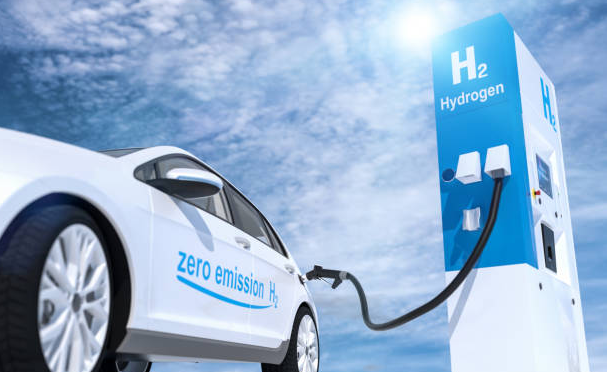
Infrastructure is the real reason they’re not popular
People love debating batteries vs hydrogen like it’s some ideological war. In reality, it’s way simpler.
Gas cars won because gas stations were everywhere.
EVs took off because you can charge at home.
Hydrogen cars don’t have either advantage.
In most places, there are zero hydrogen stations. Not “a few.” Literally none. Even in countries that support hydrogen, stations are clustered in very specific regions. Step outside those zones and owning one becomes a logistical headache.
I’ve seen people get excited, spec out a hydrogen car, then quietly abandon the idea after realizing they’d have to plan their week around refueling.
That’s not how popular products behave.
Cost doesn’t help either
Even when manufacturers subsidize hydrogen cars, the math behind them is ugly.
Hydrogen is expensive to produce cleanly.
It’s expensive to transport.
Stations are expensive to build and maintain.
Consumers don’t care about the chemistry. They just see that an EV is cheaper, easier, and supported everywhere.
When popularity is on the line, “theoretically better” always loses to “actually convenient.”
So why hasn’t hydrogen disappeared?
This is where things get interesting.
Hydrogen isn’t failing — it’s just not meant for everyone.
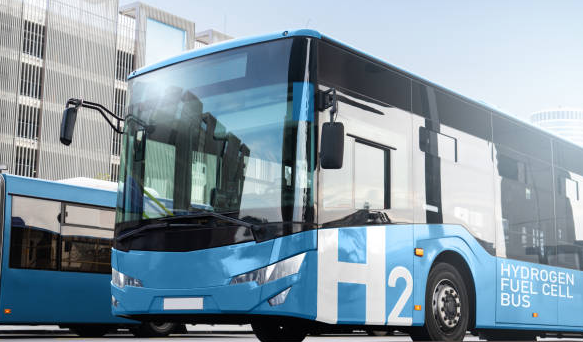
Car companies and governments are slowly accepting that hydrogen doesn’t make much sense for normal personal cars right now. Instead, they’re using it where batteries struggle.
Heavy trucks.
Buses.
Fleet vehicles that refuel at a single depot.
Industrial transport where downtime matters more than convenience.
That’s where hydrogen quietly fits.
You don’t notice it because it’s not parked in your driveway.
This is why hydrogen always feels “five years away”
Hydrogen needs everything to change at once.
Energy production.
Distribution networks.
Vehicle manufacturing.
Government policy.
EVs didn’t need that. They plugged into systems that already existed.
Hydrogen has to build its own world first. That takes time. A lot of time.
So every few years, someone says, “This is the breakthrough moment,” and technically they’re not wrong — progress is happening. It’s just happening behind the scenes, not in showrooms.
The honest answer nobody likes
Are hydrogen cars becoming popular?
No. Not with regular drivers.
They’re becoming more refined, more strategic, and more useful in specific roles, but popularity — the kind where people casually buy them without thinking — isn’t happening anytime soon.
Battery EVs already won that race.
Hydrogen isn’t the future of all cars. It’s the future of certain vehicles.
And once you see it that way, the whole situation makes a lot more sense.