
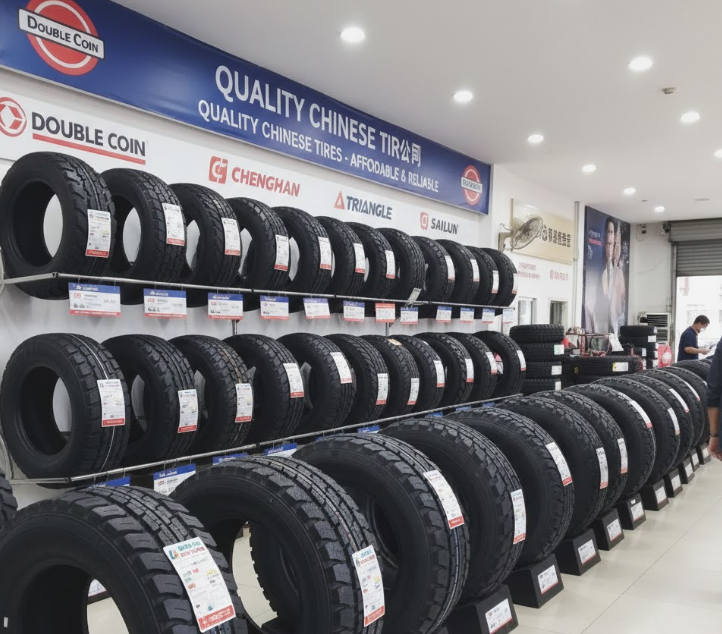
Bought a used Civic Si thinking I was getting a sporty car. Previous owner had put cheap all-season tires on it. Thing handled like a boat.
Friend who tracks his car said “dude, you need performance tires.” Looked at prices. $800 for a set versus $400 for regular tires. Nearly doubled my cost.
Said screw it, bought Michelin Pilot Sport 4S. Car completely transformed. Suddenly understood what “sporty” actually meant. But also learned these tires have serious tradeoffs most people don’t want.
Been running performance tires for three years now. Know exactly when they’re worth it and when they’re complete waste of money.
The Short Answer
For sports cars driven enthusiastically: Yes, worth it. The handling improvement is dramatic.
For normal daily drivers: No, waste of money. You’ll never use the performance and deal with downsides for nothing.
For weekend track/autocross car: Absolutely essential. Can’t push limits on regular tires.
I have performance tires on my Si. Worth it because I actually drive spiritedly. My wife’s Camry has regular all-seasons because she doesn’t care about cornering.
What Performance Tires Actually Are
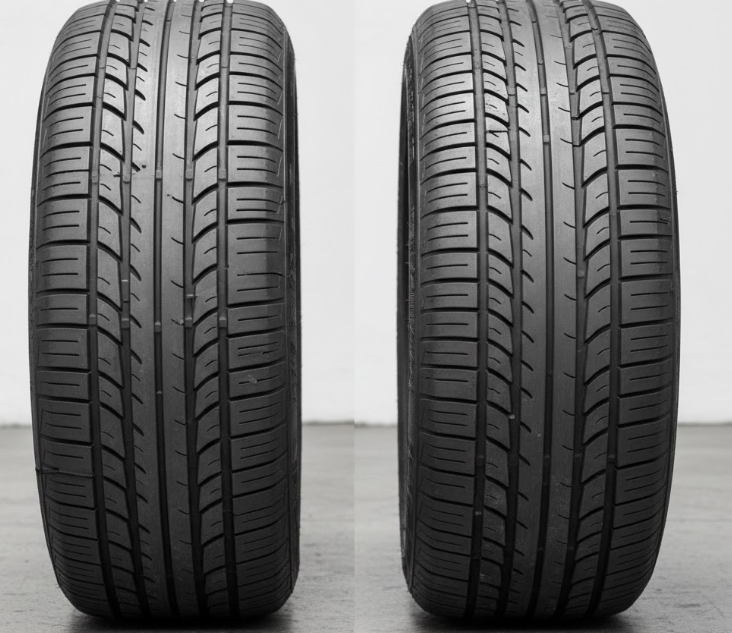
Performance tires aren’t just “better” tires. They’re specialized for grip and handling.
Characteristics:
- Softer rubber compound (more grip, wears faster)
- Wider tread (more contact patch)
- Lower profile sidewalls (better cornering response)
- Aggressive tread pattern (channels water but less tread life)
- Summer-only in most cases (useless below 40°F)
I run UHP tires (Pilot Sport 4S). Not the most extreme but way better than all-seasons.
The Performance Difference
Let’s be real about what performance tires improve:
Cornering grip – Can take corners way faster without sliding. This is the big one.
Steering response – Stiffer sidewalls mean immediate turn-in. Car goes where you point it.
Braking distance – Better grip means shorter stops. Real safety benefit.
Wet traction – Good performance tires excel in rain. Better than cheap all-seasons.
What they DON’T improve:
- Straight-line acceleration (that’s engine power)
- Fuel economy (actually gets slightly worse)
- Ride comfort (usually harsher)
- Snow/ice traction (much worse than all-seasons)
I can corner probably 20-30% faster than before. That’s massive if you drive spiritedly.
For highway commuting at 70mph straight? Makes zero difference.
The Cost Reality
High-performance tires:
- $150-300 per tire typically
- $600-1200 per set
- Last 20-35k miles usually
- Cost per mile: 2-6 cents
Good all-season tires:
- $100-150 per tire
- $400-600 per set
- Last 50-70k miles
- Cost per mile: 1-2 cents
You’re paying 2-3x more per mile driven for performance tires.
My Pilot Sport 4S cost $800 and lasted 25k miles. That’s 3.2 cents per mile.
Friend’s Michelin Defenders cost $500 and lasted 65k miles. That’s 0.8 cents per mile.
4x more expensive in terms of cost per mile driven.
The Real Answer
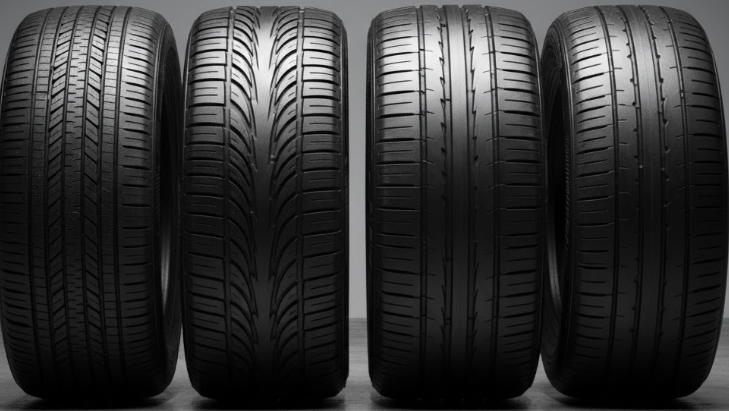
High-performance tires are worth it if you actually drive spiritedly and can afford the downsides.
They dramatically improve handling, cornering grip, and steering response. Makes sporty car feel actually sporty.
But they cost 2x more, wear 2-3x faster, are loud, and need winter tire swap in cold climates.
For sports car enthusiasts who drive backroads or track occasionally: absolutely worth it.
For normal commuters and daily drivers: complete waste of money. Premium all-seasons are better choice.
I’ve had performance tires for three years. Worth every penny because I actually use the performance.
But 80% of people would be happier with quality all-seasons saving money and getting better tread life.
Don’t buy $1200 performance tires because internet car guys say to. Buy them if you’ll actually benefit.