
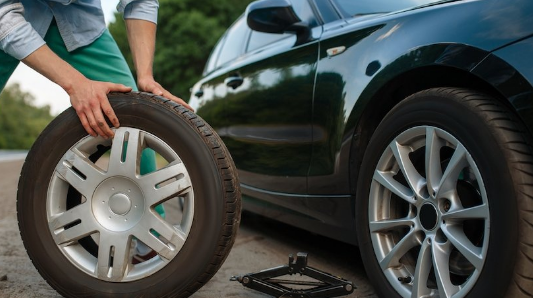
Bought a used car a few years ago that came with beat-up steel wheels and plastic hubcaps. Thing looked like a rental car. Drove it for about six months before I couldn’t stand the look anymore.
Started researching whether I should upgrade to alloy wheels. Everyone online said alloys were way better – lighter, stronger, better looking. Seemed like a no-brainer upgrade.
Then I hit a pothole and bent an alloy wheel on my wife’s car. Repair cost $200. Started second-guessing the whole alloy superiority thing.
Turns out the “alloy vs steel” debate is way more nuanced than people admit. Each has real advantages depending on what you actually care about.
The Short Answer
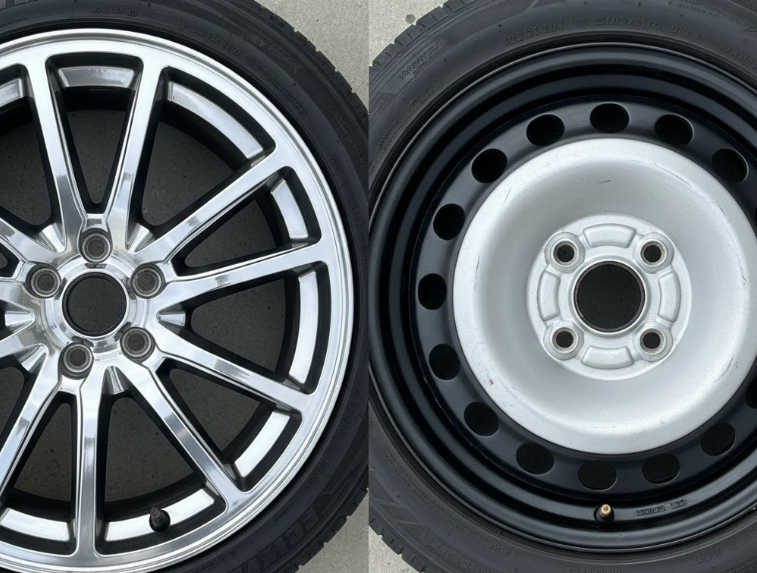
Alloy wheels look better, are lighter, dissipate heat better. Steel wheels are tougher, cheaper, easier to repair.
For most daily drivers, alloys are worth it if you care about appearance and can afford them. For winter driving, work vehicles, or tight budgets, steel makes more sense.
I have alloys on my daily driver and keep steel wheels for winter. Best of both worlds.
What’s Actually Different
Alloy wheels – Made from aluminum or magnesium alloy. Lighter, better looking, more expensive. Can be damaged by potholes.
Steel wheels – Made from stamped steel. Heavier, tougher, cheaper. Usually covered with plastic hubcaps because they’re ugly.
The weight difference is real. My 17″ alloy wheels weigh about 18-20 lbs each. Equivalent steel wheels weigh 25-28 lbs each.
That’s like 30-40 lbs total difference for all four wheels. Noticeable difference in acceleration and fuel economy theoretically.
In practice? I’ve never noticed any performance difference between my cars with alloys vs steel. The weight savings sound good on paper but don’t matter much for normal driving.
My Experience With Both
Steel wheels on old Accord – Ugly with hubcaps but indestructible. Hit curbs and potholes constantly, never damaged them. Replaced hubcaps twice when they flew off on highway.
Alloy wheels on current Civic – Look way better, no hubcaps needed. Bent one hitting a pothole. Had to replace another from road rash damage. More maintenance.
Winter steel wheels – Bought cheap steel wheels for winter tires. Don’t care if they get damaged by salt and potholes. Smart decision.
Friend’s expensive alloys – He has $2000 aftermarket alloys. They look amazing. He also stresses constantly about curbing them. Not worth it to me.
Mom’s steel wheels – She’s had same steel wheels for 10 years. Beat to hell but still functional. Zero issues.
The pattern is clear – steel is tougher and more practical, alloy is prettier but requires more care.
The Looks Factor
Let’s be honest – 90% of people want alloys because steel wheels with hubcaps look cheap.
Alloy wheels look way better. Even basic factory alloys look infinitely better than steel with plastic hubcaps.
This matters if you care about how your car looks. I do, so I have alloys.
If you don’t care about aesthetics and just want functional wheels, steel is totally fine.
The hubcaps situation is annoying though. They fly off, crack, look terrible after a few years. I lost three hubcaps on my old car before giving up and just driving with bare steel wheels.
At that point you have exposed steel which looks worse than anything. At least alloys look decent even when dirty.
Performance Differences
Acceleration – Lighter alloys mean less rotational mass. Theoretically faster acceleration. In reality you won’t notice with normal driving.
Fuel economy – Lighter wheels should improve MPG slightly. We’re talking maybe 0.5 mpg difference. Negligible.
Handling – Less unsprung weight improves suspension response. Again, most people won’t notice the difference.
Braking – Alloys dissipate heat better which helps brake performance. This actually matters if you drive aggressively or in mountains.
I’ve driven the same car model with both wheel types. Honestly couldn’t tell a performance difference in normal driving.
Track drivers and performance enthusiasts care about these differences. Regular people probably won’t notice.
Durability Reality Check
This is where steel wins hands down.
Steel wheels:
- Bend under extreme impact but can be hammered back
- Don’t crack from potholes
- Resist road salt and corrosion (with proper coating)
- Can take abuse from curbs and rough roads
- Last forever basically
Alloy wheels:
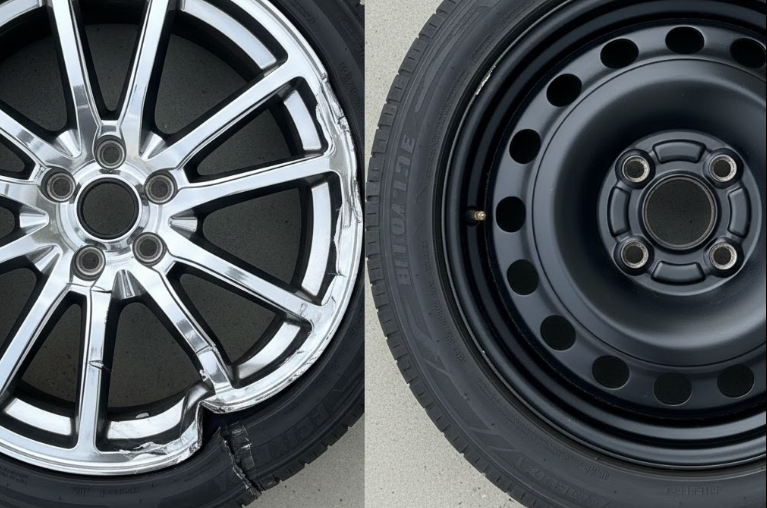
- Crack instead of bending when hit hard
- More susceptible to pothole damage
- Can corrode from road salt
- Scratches and curb rash look terrible
- Need careful maintenance
I bent an alloy wheel hitting a pothole at like 30 mph. The wheel cracked and couldn’t be repaired. $200 replacement.
Same impact on a steel wheel? Probably just a small dent that wouldn’t even affect function.
If you drive on rough roads, hit potholes regularly, or are generally hard on wheels, steel is smarter.
The Cost Situation
Steel wheels:
- $50-100 per wheel typically
- Cheap to replace if damaged
- Can be repaired easily
- Hubcaps add $10-30 each
Alloy wheels:
- $100-300 per wheel for decent quality
- $200-500+ for premium brands
- Expensive to replace
- Repair costs $100-200 if possible
I paid $600 for a set of decent aftermarket alloys. Could’ve gotten steel wheels for $250.
That $350 difference bought me better looks and marginal performance gains. Worth it? Debatable.
If money is tight, steel wheels with nice-looking hubcaps are way more economical.
Winter Driving Considerations
This is where steel really shines.
Winter means salt, potholes, rough conditions. You want tough cheap wheels you don’t care about destroying.
I run alloys in summer and swap to steel wheels with winter tires. The steel wheels get beat up by salt and potholes but I don’t care because they cost $200 for the set.
If I ran my nice alloys in winter they’d be corroded and damaged within one season.
Lots of people in snow states do this – alloys for summer, steelies for winter. Smart strategy.
You’re swapping wheels for tires anyway, might as well use steel wheels that can take winter abuse.
Corrosion And Maintenance
Steel wheels:
- Rust if coating is damaged
- Fairly easy to maintain with paint or powder coating
- Road salt is enemy #1
Alloy wheels:
- Oxidation and pitting from road salt
- Harder to repair corrosion damage
- Need regular cleaning to prevent salt buildup
- Clear coat can fail over time
Both types corrode from road salt if you don’t clean them regularly.
I wash my wheels monthly in winter to remove salt. Still getting some corrosion on the alloys though.
My winter steel wheels are already showing rust spots but I don’t care. They’re sacrificial.
If you live somewhere with harsh winters, factor in the corrosion issue. Alloys need more maintenance to stay nice.
Aftermarket Alloy Wheel Quality
Not all alloy wheels are equal. Big difference between:
OEM alloys – From car manufacturer. Good quality, proper fitment. Expensive.
Quality aftermarket – Enkei, BBS, OZ Racing, etc. Well made, tested. $200-500 per wheel.
Budget aftermarket – XXR, Rota, generic brands. Cheaper but quality varies. $100-200 per wheel.
Cheap Chinese knockoffs – Imitation wheels. Weak, fail easily. $50-100 per wheel. Avoid.
I have budget aftermarket alloys (Konig brand). They’re fine for street use. Not as strong as OEM but way better than Chinese knockoffs.
If you’re buying aftermarket alloys, stick with known brands. Those $60 replica wheels crack easily and fail.
Better to run quality steel wheels than garbage alloy wheels.
Weight Ratings And Safety
All wheels have weight ratings. Make sure whatever you buy can handle your vehicle’s weight.
Steel wheels generally have higher weight ratings because the material is stronger.
Cheap alloy wheels sometimes have inadequate weight ratings for heavier vehicles. This is dangerous.
I’ve heard stories of cheap alloys cracking under normal driving on trucks and SUVs. The wheels weren’t rated for the vehicle weight.
OEM wheels are always properly rated. Aftermarket you need to verify specs match your vehicle.
Don’t cheap out on wheels. They’re literally what holds your car off the ground.
Repair Options
Steel wheels:
- Dents can be hammered out
- Can be straightened if bent
- Easy to repaint if rusty
- Cheap repairs ($30-60 typically)
Alloy wheels:
- Bends can sometimes be straightened ($100-150)
- Cracks usually mean replacement
- Curb rash can be repaired ($100-200)
- Corrosion is hard to fix properly
I’ve had steel wheels straightened for like $40. Worked fine after.
My bent alloy wheel couldn’t be repaired because it had a hairline crack. Had to buy a new wheel.
For practical purposes steel is more repairable and serviceable long-term.
Resale Value Impact
Cars with alloy wheels sell easier and for slightly more than ones with steel wheels.
It’s part of the “looks better = worth more” equation.
I sold a car with alloys and the buyer specifically mentioned liking the wheels.
But we’re talking maybe $200-500 difference in resale value at most. Not a huge factor.
If you’re keeping the car long-term, don’t buy alloys just for resale value. Do it if you want them for yourself.
For Different Vehicle Types
Economy cars – Steel is fine. Alloys are a nice upgrade if you care about looks.
Sports cars – Alloys make sense for weight savings and brake cooling. Performance matters here.
Trucks/SUVs – Steel for work trucks. Alloys for mall crawlers and daily drivers.
Luxury cars – Should come with alloys. Steel would look wrong.
Off-road vehicles – Steel for serious off-roading. They’re tougher and easier to repair on trail.
Match the wheel type to how you actually use the vehicle.
My Current Setup
Daily driver Civic:
- Aftermarket Konig alloys (17″)
- Look good, reasonably light
- One bent wheel from pothole ($200 lesson)
- Overall happy with them
Winter wheels:
- Cheap steel wheels (16″)
- Beat up from salt and potholes
- Don’t care about their condition
- Perfect for winter
This two-set system works great. Nice wheels most of the year, practical wheels when conditions are harsh.
Cost me about $800 total for both sets. Worth it for the flexibility.
What I’d Buy Today
If starting from scratch I’d probably do the same thing – quality aftermarket alloys for summer, steel for winter.
If I only had budget for one set I’d get alloys and just accept they’ll get damaged in winter.
If I lived somewhere warm year-round with good roads, alloys all day.
If I lived on gravel roads or drove a work truck, steel without question.
Main criteria:
- How much I care about appearance
- Road conditions where I drive
- My budget
- Whether I have winter tires (needs separate wheels anyway)
For most people in average conditions, alloys are worth the upgrade if you can afford them. They just look so much better.
The Truth Nobody Admits
The biggest practical difference is aesthetics. Steel looks cheap, alloys look nice.
Performance differences exist but most people won’t notice them driving normally.
Durability favors steel but it’s not like alloys explode constantly. I’ve had one failure in years of driving.
Cost difference isn’t that huge in the grand scheme of car ownership. $400 extra for alloys is less than many people spend on cosmetic mods.
If you want your car to look better, get alloys. That’s really the main reason.
If you’re purely practical and don’t care about looks, steel is smarter and cheaper.
I fall in the middle – I care about looks but also value practicality. Hence alloys in summer, steel in winter.
The Real Answer
For most people: Alloy wheels are worth it for the improved appearance if you can afford the extra cost and risk of damage.
Steel wheels are smarter for harsh conditions, tight budgets, work vehicles, or if you don’t care about aesthetics.
There’s no universal “better” option. It depends on your priorities and usage.
I like my alloys and don’t regret the upgrade from steel. They make my car look way better.
But I’m also glad I have steel wheels for winter because I’d be sad watching my nice alloys get destroyed by salt and potholes.
If you’re on the fence, consider getting alloys now and adding steel winter wheels later if needed. That’s what I did and it worked out well.
Just don’t buy cheap garbage alloys thinking you’re getting an upgrade. Quality steel is better than trash alloys any day.