
My wife has allergies that get brutal during spring. Sneezing constantly in the car, nose running, miserable on every drive.
Saw these car air purifiers on Amazon claiming to filter pollen, dust, and allergens. They were like $30-50 and had tons of positive reviews. Figured why not try one.
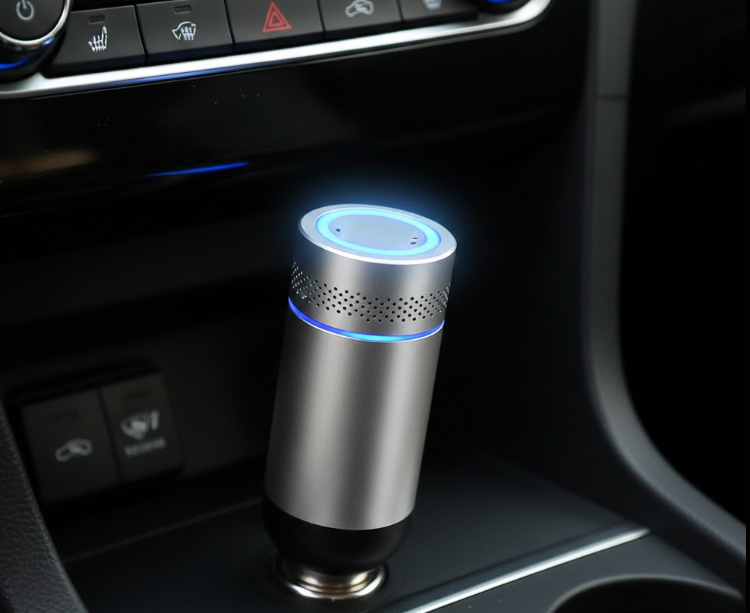
Bought a highly-rated one with HEPA filter and ionizer. Used it for three months. Honestly couldn’t tell if it did anything. My wife still sneezed just as much during allergy season.
Did more research and learned most car air purifiers are basically useless. The good ones exist but they’re expensive and still limited by physics. Your car’s cabin is just too small and leaky for them to work miracles.
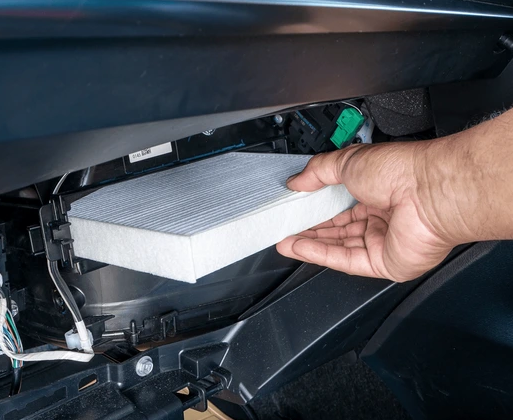
Ended up returning it and just replacing the cabin air filter in the car. That actually helped way more and cost $15.
The Short Answer
Most car air purifiers are overpriced gimmicks that don’t do much. The small cheap ones on Amazon are basically useless.
The few decent ones exist but cost $100-200+ and still have limited effectiveness in a car environment.
Your best bet for clean air in your car: replace cabin air filter regularly, keep car clean, run AC on recirculate. Way more effective and cheaper.
I wasted $45 on a car air purifier that did nothing. Learn from my mistake.
What These Things Actually Are
Car air purifiers are small devices that claim to clean the air in your vehicle. They come in different types:
Plug-in ionizers – Cheapest option ($20-40). Release ions that supposedly attract particles. Most scientific evidence says they don’t work.
HEPA filter units – Small fans pulling air through a filter. Better than ionizers but still limited by size. ($50-100)
UV light purifiers – Claim to kill bacteria with UV-C light. Effectiveness in cars is questionable. ($40-80)
Activated carbon – Absorbs odors but doesn’t filter particles. Helpful for smell but not allergens. ($30-60)
Combination units – Mix of the above technologies. Usually just marketing. ($60-150)
I had a combination unit with HEPA filter and ionizer. It made a slight humming noise and had a blue LED. That’s about all it did noticeably.
Why Most Don’t Work Well
The physics working against car air purifiers:
Car cabins are small – Only like 100-150 cubic feet of air. Sounds good for a small purifier, right? Wrong.
Cars aren’t sealed – Air constantly exchanges through vents, doors, windows. Purifier can’t keep up with fresh contaminated air coming in.
Tiny fans – Small purifiers have weak fans that can’t move much air. They might cycle the entire cabin volume once every 10-15 minutes. Too slow.
Small filters – HEPA filters need surface area to work. Car purifier filters are tiny. They clog fast and lose effectiveness.
You’re constantly moving – Unlike a bedroom where air can be gradually cleaned, you’re driving through changing environments constantly.
A decent home air purifier is the size of a small trash can with big fans and filters. It works because it can actually move and filter meaningful amounts of air in a sealed space.
A car purifier the size of a soda can can’t do the same job no matter what the marketing says.
My Three Month Test
Bought a $45 unit that claimed to filter 99% of particles with true HEPA filter. Had good reviews on Amazon.
Week 1-2 – Placebo effect maybe? Thought the car smelled slightly fresher. Wife said she felt no difference in allergies.
Week 3-6 – Realized I couldn’t tell any difference. Air quality felt the same. Wife still sneezing during pollen season.
Week 7-10 – Started annoying me with its blue LED light and faint humming. Took up my only cigarette lighter port.
Week 11-12 – Unplugged it for a week to test. Honestly couldn’t tell any difference. Plugged it back in just to give it benefit of doubt.
After 3 months – Returned it. Complete waste of money. Did nothing noticeable.
The air in my car felt exactly the same with or without this thing running. Either it didn’t work or the effect was so minimal I couldn’t perceive it.
What Actually Works Better
Replace cabin air filter – This is the real air purifier in your car. Located behind the glove box usually. Costs $15-30. Replace every 12-15k miles or yearly.
I replaced my cabin filter for $20 and the difference was dramatic. Way more airflow, air actually smelled cleaner, wife’s allergies got noticeably better.
The cabin filter is a proper sized HEPA or particle filter that all your AC/heat air flows through. It’s filtering way more air way faster than any plug-in device.
Keep car clean – Vacuum regularly, dust the dash, clean surfaces. Dust and particles settling in the car are a major source of allergens.
Run AC on recirculate – This filters and recirculates cabin air instead of pulling in outside air. Reduces pollen and pollution exposure.
Don’t eat in the car – Food crumbs attract moisture and mold. Source of musty smells and potential allergens.
These four things cost less than a car air purifier and work way better.
The Ionizer Scam
Ionizers are the most common type of cheap car air purifier. They don’t really work.
Ionizers supposedly release negative ions that attach to particles, making them stick to surfaces instead of floating in air.
Problems:
- Minimal particle removal (studies show like 5-10% at best)
- Ions disperse quickly in moving car air
- Can produce ozone which is harmful
- Mostly just marketing pseudoscience
That blue light they emit and the slight ozone smell makes people think they’re working. They’re not doing anything meaningful.
I had an ionizer before getting the HEPA unit. It did absolutely nothing except make a faint electrical smell.
Save your money. Ionizers are snake oil.
[Image: Opened car air purifier showing tiny filter and small fan inside]
The Few That Might Actually Work
If you really want a car air purifier, these are the only ones I’d consider:
IQAir Atem Car – $300+. Actually has a decent sized HEPA filter and fan. Probably the best option but insanely expensive.
Philips GoPure – $200-250. Decent filtration. Expensive but has actual specifications and testing behind it.
Dyson purifiers – $400+. More designed for home use but some people adapt them for cars with power inverter. Overkill.
Even these have limitations due to car cabin physics. But at least they have real filters and airflow.
The $30-80 units on Amazon are not in the same category. They’re toys compared to these.
I looked at the IQAir one. Couldn’t justify $300 for something that might help marginally with my wife’s allergies when a $20 cabin filter worked better.
For Specific Use Cases
Heavy allergies – Replace cabin filter with HEPA version. Run AC on recirculate. Take allergy meds. Air purifier might help marginally but cabin filter is more important.
Smokers – Don’t smoke in the car. If you must, crack windows. Air purifier won’t remove smoke smell effectively. Activated carbon helps slightly.
Pet odors – Keep car clean, use enzyme cleaners. Air purifier won’t eliminate pet smells. Activated carbon might reduce them slightly.
General air quality – Just use your cabin air filter and keep car clean. Air purifier is redundant and less effective.
Living in polluted city – Cabin filter is your main defense. Run AC on recirculate in heavy traffic. Purifier adds minimal benefit.
In basically all cases, cabin air filter maintenance beats car air purifiers.
The Smell Issue
Some people buy car air purifiers hoping to eliminate odors.
Air purifiers don’t remove smells well unless they have activated carbon filters. And even then, it’s minimal in a car.
For smells:
- Find and remove the source (old food, mold, etc)
- Deep clean the interior
- Replace cabin filter
- Use enzyme cleaners for organic smells
- Activated carbon bags (cheap, passive, actually help)
I tried using the air purifier for a musty smell. Did nothing. Turned out the smell was from wet carpet under a mat. Had to dry that out and the smell went away.
Purifiers don’t fix problems, they just try to filter air. If there’s a source of smell, address that source.
Battery Powered vs Plug-In
Some units run on batteries, others plug into cigarette lighter.
Battery powered:
- Portable, can move between cars
- Batteries die and need charging
- Usually even weaker fans due to power constraints
Plug-in:
- Constant power, no charging needed
- Takes up your 12V port
- Usually slightly more powerful
Both types have issues. The battery ones are so underpowered they’re even more useless than plug-ins.
I’d rather have my cigarette lighter port available for phone charging than occupied by an ineffective air purifier.
The LED Light Annoyance
Almost every car air purifier has LED lights. Blue, green, purple – they’re supposed to look futuristic and high-tech.
In practice they’re annoying at night. That blue glow distracting in your peripheral vision while driving.
Some units let you turn off the LEDs. Most don’t.
I put black tape over the LED on mine. Still annoying because I knew it was there doing nothing useful.
Noise Level
Car air purifiers with actual fans make noise. It’s subtle but present.
At highway speeds with road noise you won’t notice. But sitting in traffic or parked with engine off, you can hear it humming.
The noise reminded me constantly that I’d wasted money on this thing.
Quiet models exist but they’re even weaker because the fan is so small and slow.
Filter Replacement Costs
Units with actual HEPA filters need filter replacements every 3-6 months.
Replacement filters cost $10-30 depending on brand. This adds up over time.
My unit needed $15 filters every 3 months supposedly. Never bought a replacement because I returned the whole thing.
Compare this to cabin air filter: $20 every 12-15k miles or yearly. Way better value.
The Marketing Is Misleading
Car air purifier marketing is full of questionable claims:
“Removes 99.9% of particles” – In a lab environment under perfect conditions, maybe. In your moving car? No.
“NASA technology” – Just because NASA uses HEPA filters doesn’t mean your tiny car purifier works like their systems.
“Clinical testing” – Usually means some generic lab test, not real-world car testing.
“Kills bacteria and viruses” – UV light can, but not at the power levels and exposure times in car purifiers.
Don’t believe the marketing hype. These are heavily oversold products.
What My Mechanic Said
Asked my mechanic about car air purifiers when getting cabin filter replaced.
He laughed and said they’re garbage. Said he sees people spend $50-100 on purifiers when their cabin filter is clogged and black.
He recommended: replace cabin filter yearly, vacuum cabin regularly, fix any water leaks that cause mold.
Said he’s never seen a car air purifier make meaningful difference. Just another gadget people waste money on.
I wish I’d asked him before buying one.
The Allergy Test Results
My wife’s allergies were my main reason for trying this.
Before purifier: Sneezing 10-15 times per drive during spring. Runny nose, itchy eyes.
With purifier for 3 months: Still sneezing 10-15 times per drive. No noticeable improvement.
After replacing cabin filter: Sneezing reduced to 3-5 times per drive. Clear improvement.
The cabin filter made an actual measurable difference. The air purifier did absolutely nothing we could detect.
This was the clearest evidence that car air purifiers are overrated and cabin filters are underrated.
For Uber/Lyft Drivers
Rideshare drivers sometimes ask about air purifiers for passenger comfort.
Honest answer: Clean the car regularly and maintain the cabin filter. That’s more impressive than a gadget.
Passengers don’t care about an air purifier running. They care that your car is clean and doesn’t smell.
I’ve been in Ubers with air purifiers. Never noticed any difference in air quality. Have noticed when the car is actually clean vs dirty.
The Placebo Effect Is Real
Some people swear their car air purifier works great. I think it’s mostly placebo.
You spent $50 on it. You want it to work. Your brain convinces you the air feels cleaner.
This is fine if it makes you happy. But objectively most car air purifiers don’t do much.
I went through this too. First week I thought maybe it was helping. By month three I realized I was fooling myself.
What I’d Do Today
If someone asked me about car air purifiers, I’d say:
- Check your cabin air filter. When was it last replaced? If you don’t know, replace it now. $15-30.
- Upgrade to a HEPA cabin filter if you have allergies. Costs a bit more but actually filters pollen effectively.
- Vacuum your car interior monthly. Dust and particles in the carpet and seats are your main air quality issue.
- Run AC on recirculate in high pollen or pollution areas.
- Fix any mold or mildew issues (wet carpet, clogged AC drain, etc).
- Skip the car air purifier. Save your money.
Total cost: Maybe $40 for HEPA cabin filter. Way more effective than $100 on a gadget.
The Real Answer
Car air purifiers are mostly ineffective marketing gimmicks.
The physics of a small device in a constantly refreshing air environment makes them fundamentally limited.
Your car already has a real air purifier – the cabin air filter. Maintain that instead.
If you have serious air quality concerns, a quality cabin filter (HEPA rated), regular cleaning, and running AC on recirculate will do far more than any plug-in purifier.
I wasted money on one and got zero benefit. Replaced my cabin filter and actually noticed improvement.
Don’t fall for the marketing. Car air purifiers are the essential oil diffusers of automotive accessories – they might smell nice or look cool but they don’t do what they claim.
Save your money. Replace your cabin air filter. Clean your car. That’s the real solution.